Crust in the Corner of a Cavalier’s Eye
Oh, the ever-present mystery of that crusty stuff in the corner of your Cavalier's beautiful, soulful eyes! If you're a Cavalier parent, you know exactly what I'm talking about. It's a common sight, but it can range from a perfectly normal part of their day to a worrying sign of something more serious brewing. This guide is here to walk you through understanding what those eye boogers really mean, how to keep your pup's peepers clean and comfortable, and when it’s time to call in the professionals.
What Causes That Pesky Eye Crust in Cavaliers?
It's a question almost every Cavalier owner has pondered: what exactly is that gunk in my dog's eye corner? Cavaliers, with their charmingly prominent eyes, can be particularly prone to eye discharge, and understanding the nuances between normal and concerning is key. It's not always a cause for panic, but it definitely deserves your attention.
Normal Eye Discharge vs. Concerning Crust
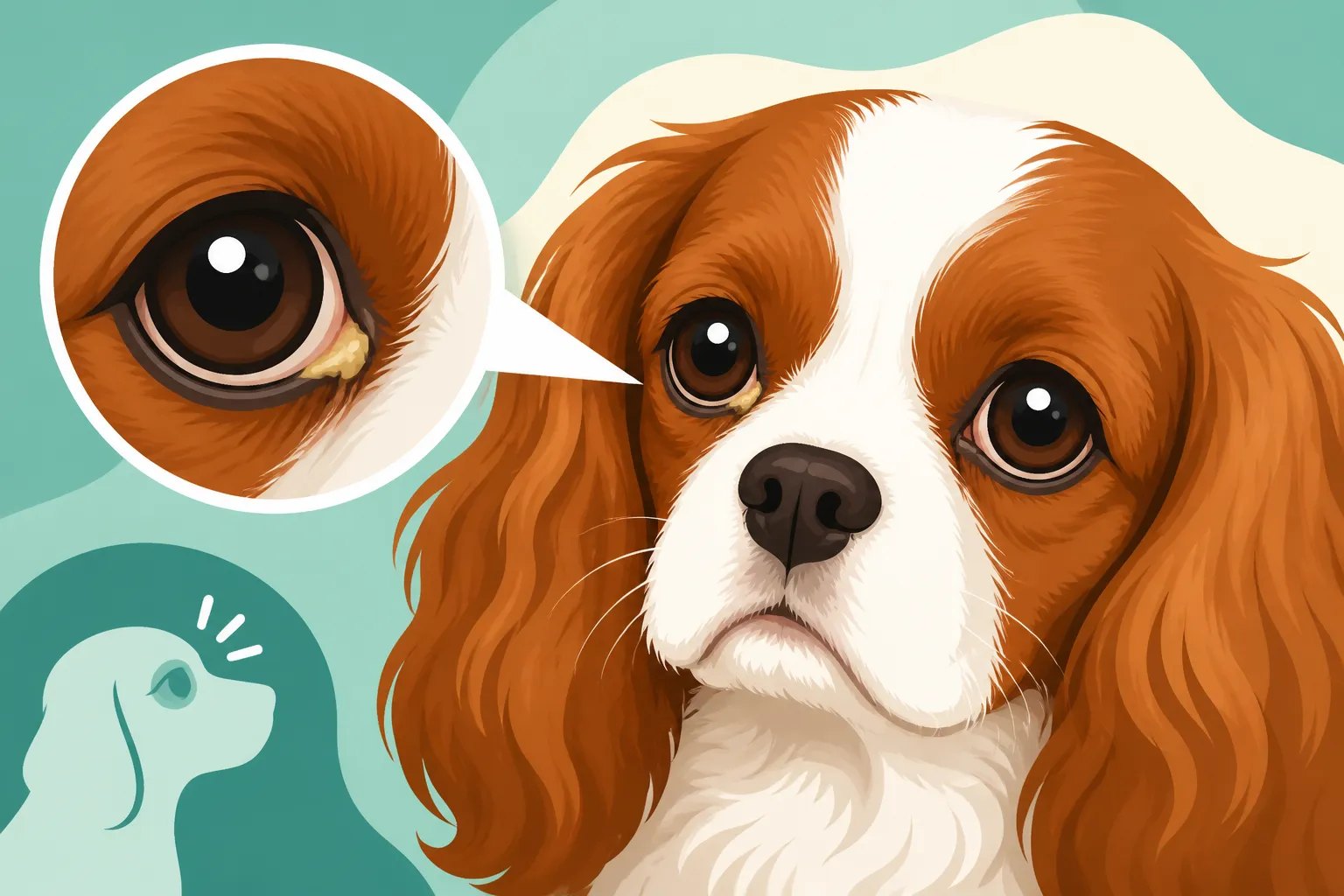
Let's start with the basics. Just like us, dogs produce tears to keep their eyes lubricated and to flush out irritants. This natural process often leaves a little residue, especially after a good long nap. This is what we often refer to as "sleep crust" or "eye boogers." Typically, this kind of discharge is:
- Small in quantity: Just a tiny bit in the corner.
- Dry or slightly sticky: Easy to wipe away.
- Clear, whitish, or light brown: Not usually vibrant colors.
- Infrequent: It doesn't seem to be constantly accumulating throughout the day.
If you see this, take a breath. It's often just a mix of dried tears, dust, and maybe a few stray cells. It's the body's way of cleaning itself. However, there's a definite line where "normal" crosses over into "concerning," and as a Cavalier owner, you need to be vigilant because these little dogs are susceptible to various eye issues.
Now, when should you worry? You should definitely pay closer attention if the eye crust starts to look different in color, consistency, or if its appearance becomes more frequent or excessive. For instance, if you notice:
- Yellow or green discharge: This is a classic sign of infection.
- Thick, gooey, or pus-like consistency: Again, often points to bacterial involvement.
- Excessive watering or tearing: While a type of discharge, this can indicate irritation or a blocked tear duct.
- Redness or swelling: Inflammation around the eye itself, or the whites of the eyes looking pink or red.
- Squinting, rubbing, or sensitivity to light: These are all indicators of pain or significant discomfort.
- Discharge that mats the fur: If it's so heavy it's gluing the delicate feathering around your Cavalier's eyes together, that's too much.
Any of these changes warrant a closer look and likely a call to your vet. Don't try to guess or self-diagnose when it comes to your Cavalier's eyes, as some conditions can progress quickly.
Environmental Factors and Irritants
Cavaliers are beautiful dogs, but their charming facial features, specifically those large, prominent eyes, can sometimes be a bit of a double-edged sword. Their eyes are more exposed to the environment than those of dogs with deeper-set eyes, making them more susceptible to irritation from everyday elements.
Think about it: when your Cavalier pokes their nose into every bush on a walk, or snuggles into a dusty corner of the sofa, their eyes are right there, ready to collect any passing debris. Dust, pollen, grass seeds, and even strong household odors like cleaning sprays or air fresheners can act as irritants, leading to increased tear production and, consequently, more crust. If you live in a particularly dusty area, or if allergy season is in full swing, you might notice an uptick in your Cavalier's eye crust. You may even notice it after a fun, but perhaps messy, day at the dog park.
Another significant factor is the hair around their eyes. Cavaliers have lovely, long feathering, and while we adore it, if the hair around their eyes isn't kept tidy, it can grow into the eye, constantly irritating the delicate surface. This constant rubbing can lead to excess tearing, redness, and a breeding ground for bacteria, turning what would be normal clear discharge into something more persistent and gunky. This is why regular grooming and careful trimming of the hair around their eyes is not just for aesthetics but crucial for their eye health.
Underlying Health Conditions to Consider
While environmental irritants are common culprits, persistent or unusual eye crust can often be the first warning sign of an underlying health condition that needs veterinary attention. It's easy to dismiss a little bit of gunk, but for Cavaliers, certain predispositions make vigilant observation critical.
One of the most common issues in Cavaliers is Dry Eye Syndrome, or Keratoconjunctivitis Sicca (KCS). This is a condition where the eye doesn't produce enough tears to keep itself moist and clean. The lack of proper lubrication leads to irritation, redness, and often, a thick, sticky, yellowish-white discharge that can really crust up. It's often mistaken for a simple infection, but without proper diagnosis and treatment, it can lead to pain, corneal damage, and even vision loss. If your Cavalier seems to have chronically dry, gunky eyes, ask your vet about Managing Dry Eye in a Cavalier.
Another frequent cause is Conjunctivitis, often called "pink eye." This is an inflammation of the conjunctiva, the membrane that lines the inside of the eyelids and covers the white part of the eye. It can be caused by bacteria, viruses, allergies, or even irritants. Symptoms usually include redness, swelling, and a discharge that can be clear and watery, or thick, yellow, or green. Allergies, in particular, can cause a clear, watery discharge, sometimes accompanied by itchiness. Your Cavalier might rub their face more or try to scratch their eyes.
Then there are structural issues. Cavaliers can be prone to eyelash problems like distichiasis (extra eyelashes growing from the eyelid margin) or ectopic cilia (eyelashes growing inward, rubbing directly on the cornea). Either of these can constantly irritate the eye, causing pain, tearing, and crust. Similarly, sometimes the eyelids themselves can roll inward (entropion) or outward (ectropion), causing hair or environmental debris to constantly rub against the eye or leave the eye too exposed. These issues often require surgical correction to prevent ongoing discomfort and damage. Extra Eyelashes Rubbing a Cavalier's Eye is a real concern.
Less commonly, but still important to consider, are blocked tear ducts. Tears are produced and then drain through tiny ducts near the nose. If these ducts get blocked, tears can overflow, leading to excessive watery discharge and, paradoxically, more crusting as the tears dry on the fur. Finally, a persistent red eye with discharge, especially if accompanied by squinting, could signal a more serious condition like a corneal ulcer, which is an open sore on the surface of the eye. These are emergencies and need immediate veterinary care. You can read more about Corneal Ulcers on Prominent Cavalier Eyes to be better prepared.
The table below offers a quick comparison of common causes of eye crust:
| Cause | Typical Appearance of Crust | Other Common Symptoms | Urgency for Vet Visit |
|---|---|---|---|
| Normal "Sleep Gunk" | Small, dry, clear to light brown | None, appears after rest | Low |
| Environmental Irritant | Clear to whitish, watery initially, dries crusty | Mild redness, mild rubbing, usually resolves quickly | Low (monitor) |
| Allergies | Clear, watery, sometimes sticky | Itchiness, rubbing, sneezing, pawing at face | Moderate |
| Conjunctivitis | Clear, yellow, or green, can be thick | Redness, swelling, squinting, rubbing | Moderate to High |
| Dry Eye (KCS) | Thick, sticky, yellowish-white, mucus-like | Chronic dryness, redness, dull eye appearance | High |
| Eyelash/Lid Issues | Varies, often watery and irritating | Squinting, rubbing, chronic irritation, redness | Moderate to High |
| Corneal Ulcer | Varies, often watery, can be pus-like | Severe squinting, pain, redness, cloudy eye | Emergency |
When in doubt, a quick call or visit to your vet is always the safest bet, especially with something as precious as your Cavalier's eyesight.
How to Safely Clean Your Cavalier's Eyes
Once you've determined that the eye crust is likely a normal accumulation or a minor irritation you can manage at home (and you've ruled out anything serious with your vet, if necessary), it's time to tackle the cleaning. This isn't just about making your Cavalier look tidy; it's about preventing irritation, matting, and potential infection.
Essential Tools for Gentle Eye Care
Before you start, make sure you have the right tools. Using the wrong items or harsh chemicals can do more harm than good, especially with a Cavalier's sensitive eyes. You'll want to gather a few things:
- Warm Water: This is your primary cleaner. Ensure it's comfortably warm, not hot. Distilled or filtered water is often preferred over tap water, especially if your tap water is hard or heavily chlorinated, which could be irritating.
- Cotton Balls, Cotton Pads, or Soft Gauze Squares: These are ideal because they are soft, absorbent, and won't leave irritating fibers behind. Avoid using tissues or rough cloths. You can find large packs of cotton pads at any drug store or even on platforms like Amazon.
- Dog-Specific Eye Wipes or Solution: While warm water is usually sufficient for simple crust, sometimes a pre-moistened eye wipe formulated for dogs can be helpful for tougher or more frequent crust. Brands like Petkin or Angels' Eyes often have gentle, pH-balanced formulas. Always check the ingredients to ensure they are free of alcohol, harsh perfumes, or irritants. You can often pick these up from pet supply stores or online retailers such as Chewy.
What to avoid? Absolutely steer clear of human eye drops (unless specifically instructed by a vet), hydrogen peroxide, alcohol, or any harsh soaps or shampoos. These can sting, damage the eye, or disrupt its natural balance. Similarly, don't use towels or cloths that have been laundered with strong detergents or fabric softeners, as residues can irritate.
A Step-by-Step Cleaning Routine
Cleaning your Cavalier's eyes should be a calm, positive experience for both of you. Consistency is key, especially if your dog is prone to tear staining or crust. Here’s a gentle, step-by-step approach:
- Set the Stage: Find a quiet, well-lit spot where your Cavalier feels comfortable. A raised surface like a table can be helpful, but ensure it's non-slip and secure. Have all your supplies ready. Offering a favorite treat at the beginning and throughout the process can help create a positive association. Your Cavalier loves attention, so make this a bonding moment.
- Prepare Your Cleaning Material: Dampen a fresh cotton ball or pad thoroughly with warm water. Squeeze out any excess so it's not dripping, but still quite moist. If using an eye wipe, have it ready to go.
- Approach Gently: Hold your Cavalier's head gently but firmly. Speak in soothing tones. If your dog is wiggly, it might help to have a second person hold them or to gently tuck them against your body.
- Wipe Away from the Eye: Very carefully, place the damp cotton pad over the crusted area. Hold it there for a few seconds to soften the crust. Then, using a single, gentle stroke, wipe away from the eye, moving from the inner corner towards the outer corner. The goal is to lift the softened crust, not rub it into the eye. Never wipe towards the eye, as this can introduce debris or bacteria onto the delicate surface.
- Use Fresh Materials for Each Eye (and repeat wipes): This is crucial to prevent cross-contamination. Use a brand new cotton ball or pad for each eye, even if one eye looks perfectly clean. If the crust is stubborn, don't scrub. Instead, use multiple fresh, damp pads, holding each one on the area to further soften the crust until it comes away easily. You might need to make a few passes.
- Dry Gently: Once the crust is removed, you can gently pat the area dry with a clean, soft cloth or dry cotton pad to prevent moisture from irritating the skin or promoting yeast growth, especially in the folds of skin common around a Cavalier's eyes.
- Reward: Always end with praise and a special treat. This reinforces that eye cleaning is a good thing! Many Cavaliers will gladly tolerate a quick wipe if they know a tasty reward is coming.
How often should you do this? For most Cavaliers, a daily quick check and wipe is ideal, especially if they are prone to Tear Staining on a White Cavalier Face or noticeable crust buildup. Some might only need it every few days, but regular checks ensure you catch any issues early. Consistent care is far better than trying to tackle a big, matted mess.
When to Seek Veterinary Advice
Even with the most diligent home care, there are times when you absolutely need to bring in a professional. Ignoring signs of trouble with your Cavalier's eyes can lead to severe discomfort, permanent damage, or even blindness. Never hesitate if you're concerned.
You should pick up the phone and call your veterinarian immediately if you observe any of the following:
- Persistent or worsening redness or swelling: A little redness after a vigorous scratch is one thing, but if the whites of the eye or the eyelids remain red and inflamed, especially if it gets worse over time, that's a red flag.
- Any change in discharge color or consistency: As mentioned, yellow, green, thick, or pus-like discharge almost always indicates an infection that requires medication.
- Squinting, pawing, or rubbing the eye: These are clear signs of pain or significant irritation. Your Cavalier is telling you something is really bothering them.
- Cloudiness or visible injury to the eye: If the surface of the eye looks hazy, blueish, or if you can see a scratch or foreign object, this is an emergency.
- Excessive watering that doesn't resolve: While sometimes an allergy, persistent watery eyes can indicate a blocked tear duct or other internal irritation.
- Sudden onset of symptoms: If your Cavalier's eyes suddenly become problematic, it's often a sign of an acute issue that needs rapid intervention.
- Lack of improvement with home care: If you've been cleaning diligently for a few days and the crust or other symptoms aren't improving, or are getting worse, it's time for professional diagnosis.
Your vet will likely perform a thorough eye exam, which might include staining the cornea to check for ulcers, checking tear production for dry eye, and examining the eyelids and lashes. They might also take samples of the discharge for cytology or culture to identify any infectious agents. Early intervention is critical for many eye conditions, so don't delay. Regular preventative care, including annual veterinary checkups where their eyes are always examined, is a cornerstone of good Cavalier health. This is why Whether a Cavalier Needs a Yearly Eye Exam is so important.
Preventing Future Eye Crust Issues
An ounce of prevention is worth a pound of cure, especially when it comes to your Cavalier's delicate eyes. By being proactive in your grooming, maintaining a clean home, and considering their diet, you can significantly reduce the frequency and severity of eye crust, keeping those sweet eyes sparkling.
Regular Grooming and Trimming Around the Eyes
One of the easiest and most effective ways to prevent eye crust is to keep the hair around your Cavalier's eyes neatly trimmed. Cavaliers have that gorgeous long, silky feathering, and while it's part of their charm, it can also become a constant source of irritation if it's too long around their faces.
Imagine having a stray hair constantly poking your eye – that's what your Cavalier might experience! This irritation leads to increased tearing, which then dries and forms crust. Plus, the long hair itself can trap dust, dirt, and discharge, leading to matting that pulls on the skin and can become very uncomfortable. Brushing a Cavalier's Feathering Three Times a Week is a great start, but the face needs special attention.
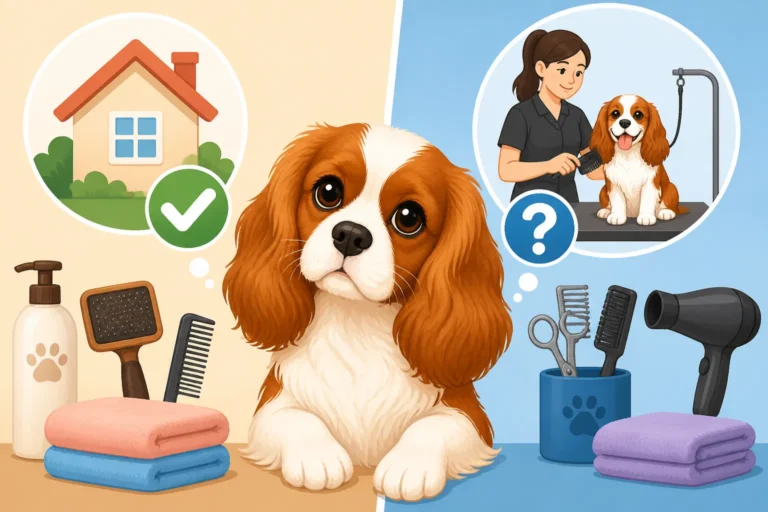
You can perform light trimming at home with blunt-nosed scissors, but proceed with extreme caution. Always use grooming scissors specifically designed for pets, and ensure your Cavalier is calm and still. It's often best to trim away from the eye, using your fingers to hold the fur taut and away from the skin. Don't pull the hair that you're cutting. Many owners find it much safer to let a professional groomer handle this delicate task. A good groomer who understands the Cavalier coat will know exactly how to give a sanitary trim around the eyes that tidies up the stray hairs without shaving too much or compromising their natural look. They can also advise on brushes and combs that reach Hair Between a Cavalier's Pads and other feathered areas. When looking for a groomer, ask about their experience with Cavaliers and their approach to facial grooming, as What a Cavalier Groomer Should and Should Not Cut is important. Regular appointments, perhaps every six to eight weeks, can keep their facial hair (and the rest of their lovely coat) in prime condition.
Maintaining a Clean Living Environment
Your Cavalier spends a lot of time indoors, so their living environment plays a significant role in their overall health, including their eye health. A dusty, smoky, or allergen-filled home can contribute to chronic eye irritation and, you guessed it, more eye crust.
Think about the air quality in your home. Regular dusting, vacuuming (especially with a HEPA filter vacuum), and washing pet bedding can dramatically reduce the amount of dust, dander, and pollen floating around. If your Cavalier spends a lot of time lounging on the sofa, consider throwing a washable blanket over their favorite spot that you can easily toss in the laundry.
Air purifiers can also be a game-changer for homes with pets, especially if your Cavalier (or anyone in your household) suffers from allergies. They help remove airborne particles that can irritate eyes and respiratory systems. Also, be mindful of strong odors and chemicals. Avoid using harsh cleaning sprays, air fresheners, or diffusers near your Cavalier's resting areas. Cigarette smoke is another major irritant for pet eyes and lungs, so keeping your home smoke-free is beneficial for everyone. Even things like scented candles or plug-in air fresheners can contribute to environmental irritants that might lead to more watery eyes and subsequent crust. A cleaner, fresher environment means fewer irritants entering your Cavalier's prominent eyes.
Dietary Considerations and Supplements
While diet isn't usually the direct cause of eye crust, good nutrition supports overall health, including eye health, and a healthy dog is better equipped to fight off minor infections and irritations.
First and foremost, ensure your Cavalier is on a high-quality, balanced diet appropriate for their age, weight, and activity level. A well-nourished immune system can help prevent infections that might lead to eye discharge. Some owners find that certain ingredients in commercial dog foods can trigger sensitivities that manifest as skin or eye irritation. If you suspect a food sensitivity, discussing a change in diet with your vet might be helpful. Brands like Ollie offer fresh, human-grade food that can be a good option for sensitive pups, while many reputable kibble brands are available on Chewy or Amazon.
Hydration is also critical. Ensure your Cavalier always has access to fresh, clean water. Good hydration helps with tear production and overall bodily functions. You can also look into adding certain supplements that support eye health, always after discussing with your veterinarian. Omega-3 fatty acids, found in fish oil, are known for their anti-inflammatory properties and can support overall skin and coat health, which indirectly benefits the eyes by reducing inflammation elsewhere that might contribute to irritation. Some specific eye supplements contain antioxidants or other nutrients thought to support ocular health. However, it's crucial to remember that supplements are not a cure-all and should only be used as part of a comprehensive care plan, never as a replacement for veterinary diagnosis and treatment of underlying conditions like Cavalier Eye Disease From Dry Eye to Cataracts. Always consult your vet before adding any new supplements to your Cavalier's regimen.
By combining careful grooming, a clean living space, and a supportive diet, you can significantly reduce those pesky eye crusts and help your Cavalier enjoy bright, clear eyes for years to come. Remember, consistency and attention to detail are your best friends in Cavalier care, especially when it comes to something as important as their vision.
Disclaimer
This article is for general informational purposes only and does not constitute professional advice. Laws, prices and regulations vary by location and change over time. Consult a qualified professional for guidance on your specific situation.