Cavalier Head, Eyes and Expression in the Standard
One of the most striking aspects of the Cavalier King Charles Spaniel is their incredibly endearing face, but understanding precisely why it looks that way, according to the breed standard, can be a bit of a puzzle for many. It's not just about cuteness; specific structural elements contribute to that hallmark "sweet" and "melting" expression we all adore. This guide will walk you through the intricate details of the Cavalier's head, eyes, and overall expression, as meticulously laid out by the breed standard, helping you truly appreciate the nuanced beauty of these delightful dogs and what breeders strive for.
The Overall Impression of the Cavalier Head
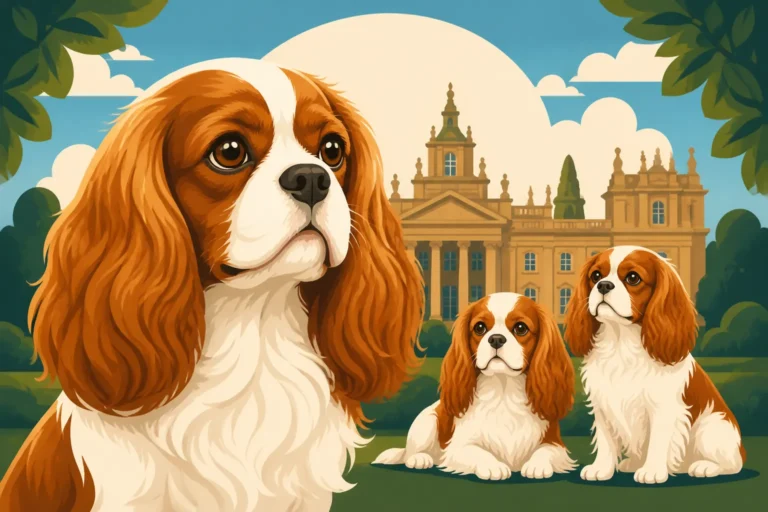
When you first look at a Cavalier King Charles Spaniel, their head is what immediately draws you in. It's designed to be soft, gentle, and utterly appealing, devoid of any harsh lines or exaggerated features that might detract from their charming demeanor. The overall impression should be one of delicate balance, fitting perfectly with their small, affectionate stature. This isn't a fierce terrier face, nor a pushed-in pug face; it's distinctly Cavalier.
The Desired "Gentle" and "Sweet" Look
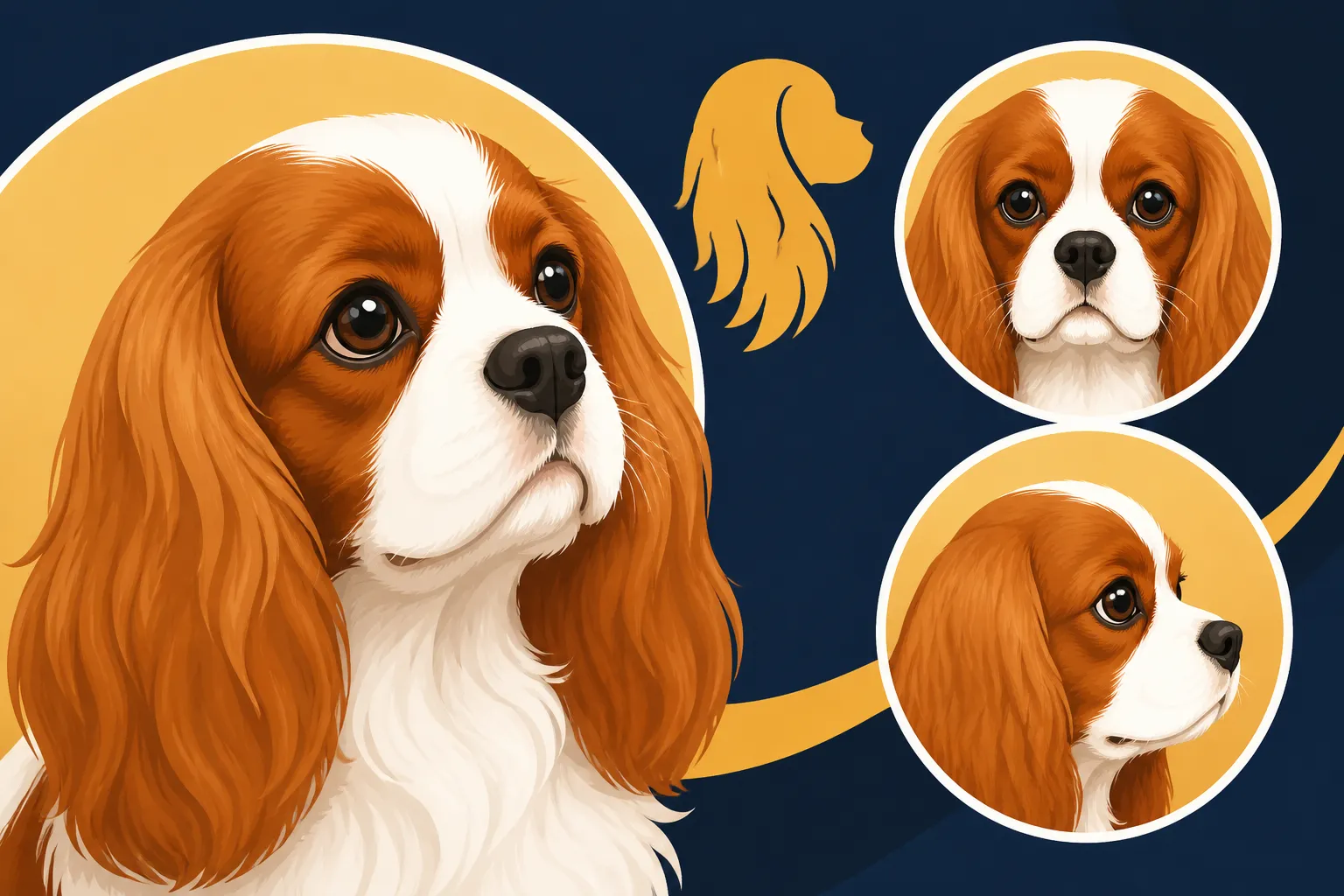
The breed standard emphasizes a "gentle, sweet, and melting expression." This isn't just poetic language; it refers to a specific combination of features that create a look of perpetual warmth and friendliness. When a Cavalier looks at you with this expression, it's meant to convey their affectionate nature and their desire to connect. Think of a face that always seems to be asking for a cuddle or offering silent comfort. It's an expression that immediately puts people at ease and reinforces their role as a devoted companion dog.
Achieving this gentle look is a delicate balance of several features, from the shape of the skull to the placement of the eyes and the way the muzzle transitions. There should be no hint of aggression, anxiety, or hardness in their gaze or facial structure. This intrinsic sweetness is one of the primary reasons people fall in love with Cavaliers, and it’s deeply embedded in the breed’s character and physical description. It's a face that reflects the soul of the breed.
Balance and Proportion
A truly classic Cavalier head is all about harmony and proportion. No single feature should dominate or appear out of place. The skull should be in balance with the muzzle, and the eyes should be proportionate to the head size. Imagine drawing a perfect circle around the entire head; all elements should fit comfortably within it without appearing too large or too small. This overall symmetry contributes immensely to the dog's beauty and the breed's distinct type.
When evaluating a Cavalier's head, judges and knowledgeable enthusiasts look for this seamless flow. The head should not be too heavy or too light for the body, and its features should blend smoothly into one another. A prominent stop should not create a steep drop-off to the muzzle, nor should the muzzle be so long that it appears disconnected from the rest of the face. This visual balance is crucial for maintaining the elegant yet sturdy appearance that is characteristic of the Cavalier King Charles Spaniel.
Impact on Temperament
While a dog's physical appearance doesn't dictate its personality, in the Cavalier breed, the "look" of the head is often seen as a direct reflection of their renowned temperament. The gentle expression is intrinsically linked to their biddable, affectionate, and outgoing nature. A Cavalier with a harsh or worried expression, or one that has been bred with exaggerated features that make them look "fierce" or "snappy," is deviating from the very essence of what makes the breed so beloved.
Good breeding aims to produce dogs that embody both the physical and temperamental ideals. A Cavalier whose head screams "sweetheart" is likely to have the personality to match. Conversely, a poor head often hints at other structural issues or even a departure from the breed's stable and friendly disposition. The calm, warm expression is a visual cue that this dog is likely to be a wonderful, easy-going companion, ready to offer boundless love and companionship.
Understanding the Cavalier's Skull and Muzzle
The shape and structure of the Cavalier's skull and muzzle are critical components of their characteristic head. It's not a simple, uniform structure but rather a series of well-defined curves and proportions that contribute to their unique appearance. Understanding these elements helps us appreciate the nuances of the breed standard.
The Skull: Flat Between the Ears
The breed standard explicitly calls for a skull that is "almost flat between the ears." This is a key distinguishing feature. Unlike many other toy breeds that might have a domed or apple-shaped skull, the Cavalier's skull should have a relatively flat top. When you run your hand over a correctly structured Cavalier's head, you should feel a gentle, flat plane between the ear leathers, rather than a pronounced curve or bump. This flat skull contributes to the overall refined appearance and is part of what gives them their distinctive look.
The flatness is not absolute, of course; there's always a slight curve to the bone structure, but the emphasis is on avoiding a "domed" or "apple-headed" appearance. This flat plane helps prevent the eyes from appearing too round or protruding, allowing them to nestle comfortably within the eye sockets. It also plays a role in the overall balance of the head, ensuring that the features are not pushed forward or disproportionate. This specific skull shape helps define the breed against others, like the King Charles Spaniel (English Toy Spaniel), which traditionally has a more domed head. You can learn more about The Cavalier's Longer Muzzle and Flatter Skull in our detailed guide.
The Defined Stop and Muzzle Length
Another crucial feature is the "stop," which is the indentation or angle between the forehead and the muzzle. For a Cavalier, this stop should be "moderate," meaning it is clearly defined but not overly deep or abrupt. It creates a gentle slope rather than a sharp ninety-degree angle. This moderate stop is essential for creating the soft, appealing transition from the forehead to the nose.
The muzzle itself should be "well-filled below the eyes," gradually tapering to the nose. Its length is also highly specified: it should be approximately 1.5 inches from the base of the stop to the tip of the nose. This length is incredibly important, as it distinguishes the Cavalier from brachycephalic (short-nosed) breeds and ensures they have ample room for healthy breathing and dental structure. A muzzle that is too short, often seen in less reputably bred Cavaliers, can lead to respiratory issues and dental overcrowding, which can be a real concern. We've discussed Why Cavalier Ancestors Lost Their Muzzles in the past, a history that highlights the importance of the correct muzzle length today. Reputable breeders work hard to maintain this correct length for the health and comfort of the dog, which you can see reflected in their careful choices of products from places like Chewy that cater to breed-specific needs.
Jaw and Teeth Alignment
The Cavalier's jaw and teeth structure are also outlined in the standard, playing a role in the overall head shape and health. They should have a "perfect, regular and complete scissor bite," where the upper teeth closely overlap the lower teeth and are set squarely to the jaws. This bite allows for efficient chewing and contributes to the clean lines of the muzzle. Any deviation from this, such as an undershot or overshot jaw, is considered a fault.
Beyond the bite, the lips should be clean and well-fitting, not pendulous or droopy, and the nose itself should be "black and well-developed," indicating good pigmentation. The jaw should be strong enough to support this correct bite and the teeth, giving the muzzle a substantial yet refined appearance. While the standard doesn't detail every single tooth, the emphasis is on a healthy, functional mouth that contributes to the overall beauty and well-being of the dog. Concerns about dental health are ever-present for any dog owner, and understanding Cavalier Dental Disease in a Crowded Jaw can help you proactively care for your dog.
The Expressive Cavalier Eyes
The eyes are often described as the windows to the soul, and for the Cavalier King Charles Spaniel, this couldn't be more true. Their eyes are arguably the most critical feature contributing to their signature sweet and melting expression. Everything about them, from shape to placement, is designed to convey warmth and intelligence.
Eye Shape, Size, and Color
The standard specifies that Cavalier eyes should be "large, dark, round, but not prominent." This combination is crucial. They are not almond-shaped, nor are they tiny and bead-like. The "round" quality adds to their open and expressive look, but it's important that they are not so round as to be "prominent" or bulging, which could expose them to injury or give a startled expression. The Eye Shape the Cavalier Standard Calls For is very particular.
Dark eyes, typically dark brown or black, are preferred as they enhance the softness and depth of their gaze, contributing to the "melting" quality. Lighter eyes can give a harder or more wary expression, which is undesirable. The large size ensures they are impactful and easily convey emotion. When all these elements come together, the eyes radiate kindness and affection, drawing you in and making you feel utterly adored.
Importance of "Cushioning" Below the Eyes
This is a detail that many might overlook but is vital to the Cavalier's expression: the "cushioning" below the eyes. The standard states there should be "good cushioning below the eyes." This refers to the soft, well-padded tissue directly beneath the lower eyelid, which prevents the eyes from looking sunken or harsh. Instead, it gives them a soft, almost puffy appearance that contributes significantly to the gentle and innocent look.
The Cushioning Below a Cavalier's Eyes softens the entire facial structure, blending the eye seamlessly into the cheek. Without this cushioning, the eyes can appear stark or even slightly anxious, losing that signature sweetness. It's another subtle but powerful element that completes the characteristic Cavalier expression, making their gaze appear soft, full, and utterly captivating. It's part of what makes their face so inviting and comforting.
The Soft, Intelligent Gaze
Beyond the physical attributes, the overall gaze of a Cavalier's eyes is paramount. It should be "soft and intelligent." This means the eyes should convey a sense of gentle awareness, curiosity, and understanding, without being sharp, intense, or vacant. Cavaliers are known for their intelligence and their ability to pick up on their owner's moods, and their eyes should reflect this perceptive quality.
Their gaze should be one of quiet attentiveness, full of unspoken affection. This soft intelligence is what allows them to connect so deeply with their human companions. When a Cavalier looks at you, it should feel like they are truly seeing you, offering unconditional love and devotion. Any hint of nervousness, aggression, or a blank stare is a departure from the ideal, as it clashes with the breed's inherently loving and agreeable nature. This gaze is a cornerstone of their appeal as companion dogs.
Ear Placement and Leather
The Cavalier's ears are more than just floppy appendages; their placement, length, and texture play a crucial role in framing the face and completing that quintessential Cavalier expression. They contribute significantly to the breed's soft, endearing look.
High Set and Well Feathered
The breed standard describes the ears as being "long, set high on the head, with plenty of feathering." The "high set" part is important: it means the ear leathers should emerge from the skull relatively high up, almost in line with the top of the eye. This placement opens up the face and makes the skull appear flatter between the ears, enhancing the desired head shape. If the ears are set too low, they can make the head look wider or heavier than it should be.
The "plenty of feathering" refers to the long, silky hair that grows on the ear leathers. This feathering adds to the Cavalier's elegant appearance and softens the lines of the head. It creates a lush frame around their face, drawing attention to their expressive eyes and contributing to their overall glamorous yet approachable look. The feathering should be abundant and flow smoothly, adding to the breed's gentle allure.
Long Leather and Its Framing Effect
Beyond the feathering, the actual "leather" (the cartilage part of the ear) should also be long. When you hold a Cavalier's ear leather, it should reach comfortably past the point of their nose. This length is vital for the overall balance of the head and for creating the desired framing effect. The long leathers, heavily adorned with feathering, hang down close to the cheeks, almost cupping the face.
This natural frame directs attention towards the eyes and muzzle, enhancing the "sweet" expression. It prevents the head from looking too stark or angular. The ears act like a soft curtain, drawing the viewer's eye inward to the central features of the face. How Low a Cavalier's Ears Should Sit is a precise detail for maintaining this breed type and the characteristic outline.
Keeping Ears Healthy
While aesthetically pleasing, those long, heavily feathered drop ears also come with a responsibility for proper care. The warm, moist environment under those luxurious ear flaps can be a breeding ground for bacteria and yeast, making Cavaliers prone to ear infections. Regular cleaning and inspection are essential to prevent discomfort and health issues. Owners often use ear cleansers and cotton balls, some preferring to get these from a reliable online retailer like Chewy.
Maintaining good ear hygiene involves gently cleaning the visible part of the ear canal and underneath the ear flap with a veterinarian-approved cleaner. It’s also important to keep the feathering clean and free of mats, as matted hair can trap moisture and debris. Regular checks for redness, odor, or discharge are crucial. Preventing chronic ear problems contributes to the dog's overall comfort and happiness, ensuring that their ears remain a beautiful and healthy part of their distinctive head. Remember, persistent head shaking or scratching at the ears can be a sign of trouble, potentially even leading to a suspicion of issues like syringomyelia if the ear isn't the true source of discomfort; it's always worth consulting a vet.
The Cavalier's Signature Expression
Bringing all these elements together—the flat skull, moderate stop, correct muzzle, large dark eyes with cushioning, and high-set feathered ears—culminates in the Cavalier's signature expression. This expression is more than just a sum of its parts; it's a unique quality that defines the breed.
The "Melting" or "Appealing" Quality
The most frequently used terms to describe the Cavalier's ideal expression are "melting" and "appealing." A "melting" expression suggests softness, warmth, and an almost liquid quality to their gaze that draws you in completely. It's an expression that disarms and captivates, making it incredibly difficult to resist their charms. This isn't a puppy-dog pout, but a genuine, heartfelt look of devotion and gentleness.
An "appealing" expression means they naturally evoke affection and a desire to connect. It’s a look that says, "I'm here to love you," and it's inherent to the breed's purpose as a companion. This expression is consistent across all four Cavalier colors, whether it's a rich Ruby, a striking Black and Tan, a classic Blenheim, or a bold Tricolor. No matter the coat, the facial expression should always convey this sweet, appealing nature.
Absence of Harshness or Coarseness
Just as important as what the expression should be, is what it should not be. The standard is clear that there should be an "absence of harshness or coarseness." This means no sharp angles, no hard lines around the eyes, no intense or aggressive gaze, and no heavy or rough features. A harsh expression can be caused by eyes that are too small or light, a skull that is too domed, or a muzzle that is too short and creates an abrupt transition.
Coarseness refers to a lack of refinement, a rougher or more unpolished look that deviates from the elegant and delicate nature of the Cavalier. This could manifest as a heavy brow, thick lips, or a generally less refined skull. The Cavalier is a toy breed known for its grace, and its face should reflect this. Any hint of a "common" or "rough" look would be considered a significant deviation from the ideal type.
Why Expression is a Hallmark of the Breed
The Cavalier's expression isn't just a pretty detail; it's a defining characteristic and a hallmark of the entire breed. It embodies their role as devoted companions and reflects their gentle, loving temperament. When you see a Cavalier with that perfect, soft, melting expression, you instantly recognize the breed. It’s a powerful tool for breeders to assess true type.
This specific expression also sets them apart from other spaniels or toy breeds. It's one of the first things a judge looks for in the show ring and what countless owners cherish every day. It's the visual manifestation of their affectionate soul, making them ideal family pets and therapy dogs. The breed’s standard for expression is a constant reminder of their historical role as lap companions and comforters. For anyone considering buying a Cavalier from a health-testing breeder, understanding these nuances helps you appreciate the care and dedication that goes into preserving the breed's integrity and unique charm.
Common Deviations and Why They Matter
While we all adore every Cavalier, understanding the breed standard means recognizing when certain features deviate from the ideal. These deviations aren't just about aesthetics; some can have significant implications for a dog's health and well-being.
Round or Domed Skulls
As we discussed, the Cavalier standard calls for an "almost flat" skull between the ears. A common deviation is a skull that is noticeably round or domed, sometimes referred to as "apple-headed." This can make the eyes appear more prominent and less integrated into the facial structure, losing that soft, cushioned look. It also changes the overall silhouette of the head, making it appear less refined and often giving a perpetually "startled" or "wide-eyed" expression.
Beyond aesthetics, a significantly domed skull can sometimes be a subtle indicator of underlying structural issues, such as Chiari-like malformation, where the skull is too small for the brain. While not every domed head indicates a health problem, it's a feature that responsible breeders actively try to avoid in their lines to preserve both type and health. Concerns about skull size are a serious part of the breed's health debate, and further reading on What Chiari Malformation Does to a Cavalier Skull can offer a deeper understanding.
Short or Snub Noses
The precise 1.5-inch muzzle length is vital for the Cavalier. A deviation towards a much shorter or "snub" nose is a significant fault and can lead to serious health problems. Dogs with drastically shortened muzzles (a trait associated with brachycephalic breeds like Pugs or Bulldogs) often suffer from brachycephalic airway syndrome, which can cause breathing difficulties, overheating, and reduced exercise tolerance. While Cavaliers are not considered a truly brachycephalic breed, deviations towards a shorter muzzle can certainly introduce these issues.
A short muzzle also impacts the dental structure, often leading to severe overcrowding of teeth. This can cause pain, dental disease, and difficulty eating. Responsible breeders prioritize health and functionality over any perceived "cuteness" of an extremely short face, striving to maintain the correct muzzle length. When considering a puppy, it's essential to look for parents with clearly defined, adequately long muzzles to avoid these potential issues. You can explore Whether a Cavalier Is a Brachycephalic Breed for more context on this important health consideration.
Small or Protruding Eyes
The ideal Cavalier eye is large, dark, and round, yet not prominent. Deviations can include eyes that are too small, giving a hard or less expressive look, or eyes that are too prominent (bulging), which can be prone to injury, dry eye, and contribute to an anxious or startled expression. Prominent eyes might also lack the necessary "cushioning" below them, further altering the desired soft appearance.
Eyes that are too light in color also detract from the ideal. They can create a harsh or wary expression, rather than the soft, melting gaze that is characteristic of the breed. These eye deviations can fundamentally change the Cavalier's signature expression, making them seem less gentle and less approachable, which goes against the very essence of their temperament. Furthermore, certain eye conditions are common in the breed, so understanding Cavalier Eye Disease From Dry Eye to Cataracts is important for any owner.
| Feature | Ideal Standard Description | Common Deviations | Impact |
|---|---|---|---|
| Skull | Almost flat between the ears | Domed or apple-headed | Changes overall head shape; can make eyes prominent; potential link to structural health issues. |
| Stop | Moderate | Too shallow or too deep | Affects transition from forehead to muzzle, altering softness of expression. |
| Muzzle Length | Approximately 1.5 inches from stop to nose | Too short or snub-nosed | Can lead to breathing difficulties, dental overcrowding, and loss of breed type. |
| Muzzle Fullness | Well-filled below the eyes, tapering | Pinched, weak, or snipey | Loss of balanced appearance; can make jaw look weak. |
| Eyes | Large, dark, round, but not prominent; good cushioning below | Small, light, bulging/prominent, lacking cushioning | Loss of soft, melting expression; prone to injury/dry eye if prominent; gives harsh or anxious look. |
| Ear Set | High on the head | Too low | Changes head shape; can make head appear wider or heavier. |
| Ear Leather | Long, reaching past nose | Short | Alters framing effect; can make face appear more open or less refined. |
| Expression | Gentle, sweet, melting, intelligent | Harsh, coarse, worried, vacant | Deviates from the breed's core temperament and purpose as a companion; a key identifier of type. |
Disclaimer
This article is for general informational purposes only and does not constitute professional advice. Laws, prices and regulations vary by location and change over time. Consult a qualified professional for guidance on your specific situation.