Cavaliers in Families With Young Children
Bringing a new dog into a home with young children can feel like juggling flaming torches while riding a unicycle – it's exciting, but there's a constant, nagging worry about safety and harmony. Many families dream of a sweet, gentle companion that will adore their kids, but they worry about nips, tumbles, and unforeseen behavioral issues. This comprehensive guide is here to walk you through exactly why the Cavalier King Charles Spaniel often shines in these environments, and how to set your family and your new furry friend up for success.
The Cavalier Temperament: A Foundation of Gentleness
Cavalier King Charles Spaniels are renowned for their sweet, affectionate, and gentle dispositions. This isn't just a marketing slogan; it's deeply ingrained in their breed history and purpose as companion dogs. They were bred not for hunting or guarding, but for sitting on laps and brightening the lives of their human companions, from royalty to everyday families. This inherent desire to be close to people and please them makes them particularly suited to homes where gentle interactions are the norm.
Why Cavaliers Are So Often Recommended for Families
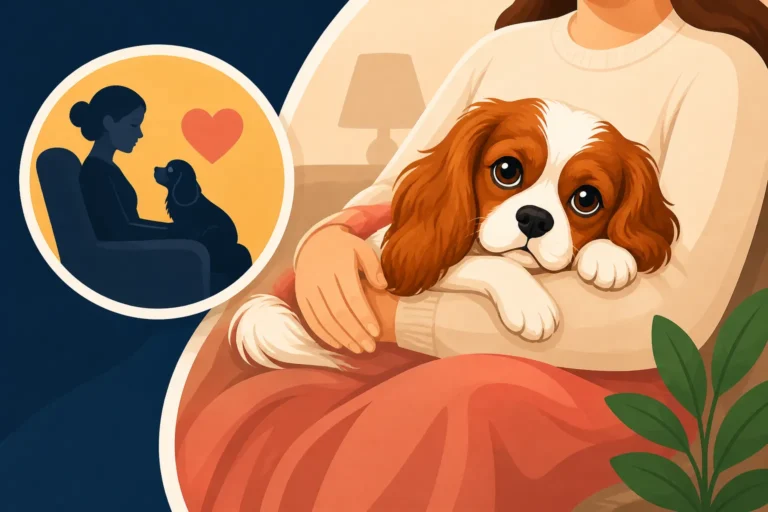
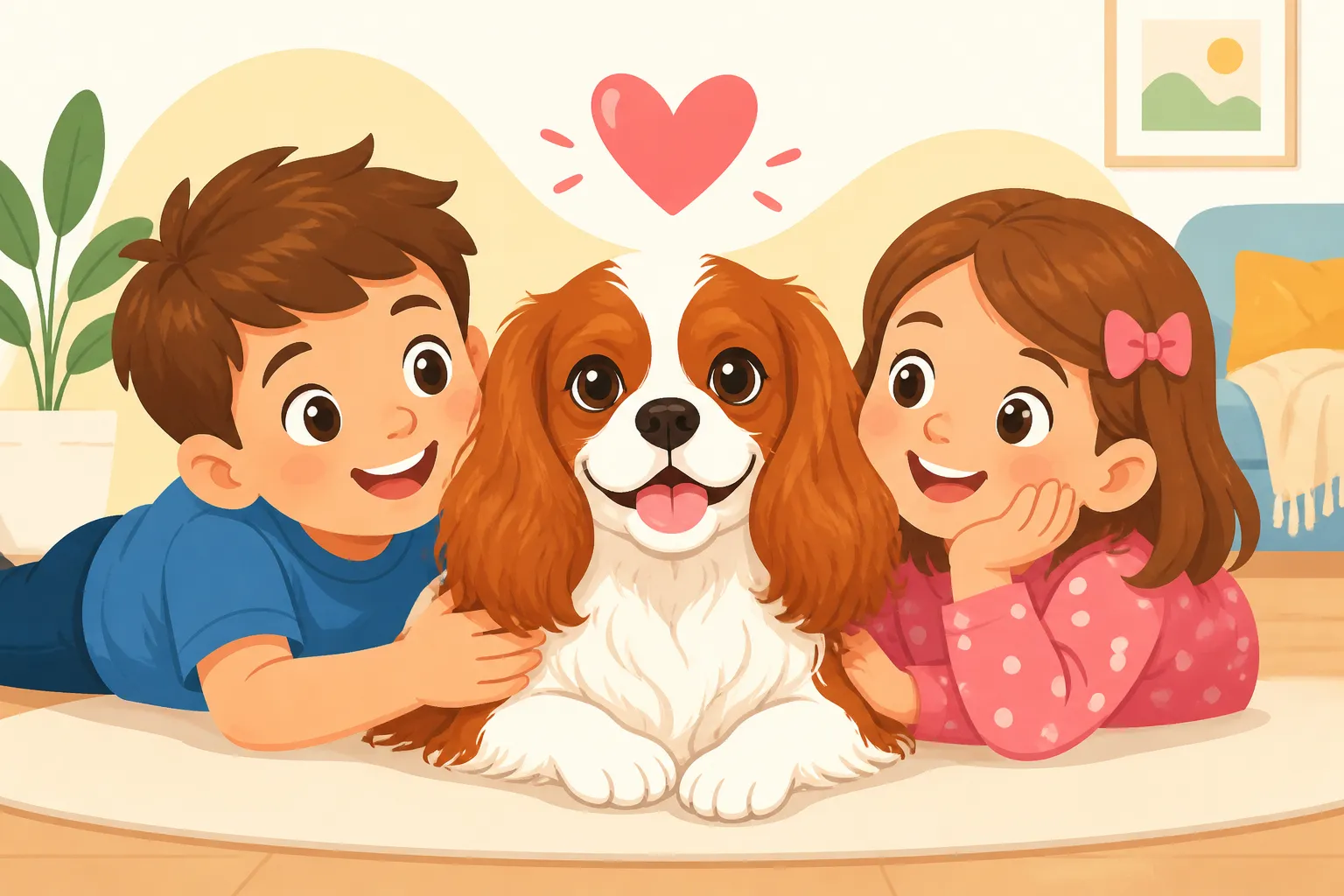
When you imagine a dog curling up quietly beside a sleeping child or patiently enduring a toddler's clumsy pat, you're picturing the quintessential Cavalier. Their nature is typically very forgiving, and they rarely display aggression unless they are in pain or severely stressed. They possess a remarkable ability to adapt to the energy levels around them. If the kids are romping and playing, a Cavalier is often keen to join in a gentle game. When things calm down for story time or a movie, they're usually content to snuggle up nearby, becoming a warm, furry pillow. This adaptability is a huge plus for families whose days can swing from high energy to quiet moments in an instant. They're not a high-strung breed that startles easily, nor are they prone to intense prey drives that might be problematic around small, fast-moving children. Instead, they often seem to instinctively understand that little humans require a softer touch. You might find them featured in discussions about Cavaliers in families with young children because their calm demeanor is so well-suited to the unpredictable nature of kids.
Understanding the "Velcro Dog" Tendency
If you've spent any time researching Cavaliers, you've likely come across the term "Velcro dog." It's an endearing, if sometimes slightly overwhelming, description that perfectly captures their desire for constant companionship. Cavaliers thrive on being part of the family action, whatever that may be. They want to be where you are, whether that's in the kitchen while you cook, in the living room during playtime, or even following you from room to room as you go about your day. This trait is a double-edged sword when it comes to children. On one hand, it means they are rarely far from supervision, making it easier to monitor interactions. They'll often seek out children for cuddles and attention, fostering strong bonds. On the other hand, it means they absolutely abhor being left alone for extended periods and can develop Living With a Cavalier That Panics When Alone. This "velcro" nature requires a family to be mindful of providing consistent companionship and teaching both the dog and the children about respecting personal space. While it's lovely to have a dog that wants to be near, a Cavalier needs to learn that it's okay for you to go to the bathroom alone, and children need to learn that the dog needs quiet time too.
Introducing a Cavalier to Young Children Safely
The key to a harmonious home with children and a Cavalier lies in careful, positive introductions and consistent supervision. You can't just toss them together and hope for the best; a little planning goes a long way in building trust and understanding for everyone.
Puppyhood and Early Socialization
Bringing a Cavalier puppy into a home with young children is a fantastic opportunity for them to grow up together, learning each other's boundaries and developing a deep bond. However, it’s not an automatic process. Early and gentle socialization is paramount for the puppy. This means exposing your Cavalier puppy to a variety of sights, sounds, smells, and experiences, including meeting different people and, crucially, being around children in a controlled, positive way. A well-socialized puppy is less likely to be fearful or reactive later on. For families, this means actively teaching the puppy that children are a source of good things – gentle pets, tasty treats, and calm play. Conversely, children need to be taught how to interact gently with the puppy from day one. Avoid overwhelming the puppy with too much attention, and always ensure they have a safe, quiet space they can retreat to if they feel overstimulated. Remember, a puppy's mouth is how it explores the world, so managing nipping behaviors effectively from the start is important. Consider reading Socializing a Cavalier Puppy Gently for more in-depth advice on this critical stage.
Managing Introductions and Supervision
Whether you're bringing home a puppy or an adult Cavalier, the initial introductions to young children must be carefully managed. Always start with short, supervised sessions. Keep a leash on the Cavalier, even indoors, just for control, and have plenty of high-value treats on hand. The goal is for both the dog and the children to associate these encounters with positive experiences. For very young children, who might not understand gentle touch, it's often best to have the child sitting on the floor or in a high chair while the dog approaches calmly. Supervise every single interaction, no exceptions. This isn't just about protecting the child; it's also about protecting the Cavalier from accidental rough handling, tail pulling, or ear grabbing, which could lead to fear or defensive behaviors. Never leave children unsupervised with a dog, no matter how gentle the dog. This rule applies to all breeds, but especially to smaller dogs like Cavaliers, who are more vulnerable to accidental injury. Think of yourself as a referee, ensuring fair play and positive interactions on both sides.
Setting Boundaries: Teaching Both Child and Cavalier
For a Cavalier and children to coexist peacefully, both parties need to understand and respect boundaries. This isn't about harsh discipline but about consistent, positive reinforcement that creates a safe and predictable environment for everyone.
Gentle Handling Rules for Children
Teaching children how to interact respectfully with a dog is perhaps the most crucial element in ensuring a positive relationship. Small children, by nature, are not always gentle. They might grab, pull, or poke, not out of malice, but out of curiosity or a lack of understanding. It's your job to teach them the "kind hands" rule from the very beginning. Show them how to gently pet the dog on its back or shoulder, avoiding sensitive areas like the face, tail, or ears. Teach them never to disturb a sleeping dog, or a dog that is eating, drinking, or chewing on a toy. Emphasize that the dog's bed or crate is its safe space, its "den," and they should never bother the dog when it's there. Using simple, consistent language and demonstrating the correct way to interact will help children learn. For instance, you can practice with a stuffed animal first, showing them how to stroke it gently. Reinforce positive interactions with praise for both the child and the dog. If a child is too young to understand these rules, direct supervision and physical redirection are your best tools. Never allow roughhousing or teasing.
Teaching Your Cavalier to Tolerate Toddler Shenanigans
While it's important to teach children gentle handling, it's equally important to help your Cavalier learn to tolerate the occasional clumsy or boisterous moments that are inevitable with young kids. This isn't about forcing your dog to endure discomfort, but rather building its confidence and resilience in a busy household. Use positive reinforcement to reward your Cavalier for calm behavior around children. If a toddler accidentally makes a loud noise or drops something, and your Cavalier remains relaxed, offer a treat and praise. Teach your Cavalier a "place" command, so they can go to their bed or crate for a break when things get too hectic. You can use a comfortable dog bed from Chewy and reward them lavishly for settling there. This gives them agency and a safe retreat. Avoid punishing your Cavalier for growling or snapping – these are warning signs that they are uncomfortable, and punishing them may suppress the warning, leading to an unprovoked bite later. Instead, if your Cavalier shows signs of discomfort, intervene immediately by removing the child or the dog, giving the dog space, and reassessing the situation. Remember, Why Harsh Corrections Break a Cavalier is not just about physical pain, but also about damaging trust and making a dog fearful rather than cooperative.
Common Challenges and How to Address Them
Even with the best intentions and training, some challenges can arise when Cavaliers share a home with children. Being prepared for these common issues can help you navigate them effectively and maintain harmony.
Managing Over-Excitement and Nipping
Cavalier puppies, like all puppies, can be prone to nipping and mouthing, especially when they're excited or teething. While their small teeth don't do as much damage as a larger breed's, it's still uncomfortable and can be alarming for children. It's crucial to teach your Cavalier puppy bite inhibition early on. When a puppy nips too hard, a sharp "ouch!" from you and immediately withdrawing attention for a few seconds can be effective. This mimics how puppies learn from their littermates. Redirect nipping towards appropriate chew toys, which you can easily find on Chewy. For older Cavaliers, over-excitement can sometimes manifest as jumping up, which can knock over a small child, or excessive licking. Teach an alternative behavior, such as a "sit" or "four on the floor" command, and reward it generously when guests or children enter the room. If your Cavalier becomes overly excited, gently redirect them to a quiet space until they calm down. Consistency is key, and every family member should respond to these behaviors in the same way.
Resource Guarding and Personal Space
While Cavaliers are generally very tolerant, any dog can develop resource guarding if not managed properly. This is when a dog protects its food, toys, or even its favorite sleeping spot from perceived threats. In a home with children, this can become a serious issue if a child approaches a dog's food bowl or tries to take a toy away. To prevent this, teach children never to bother the dog while it's eating or chewing. Always feed your Cavalier in a quiet, undisturbed area. Practice "trade" games with toys, where you offer a higher-value treat in exchange for a toy, teaching your dog that giving up an item results in something better. This builds a positive association with hands near their things. Similarly, Cavaliers need their own personal space. Provide a comfortable dog bed or crate that is exclusively theirs, and ensure children understand this is the dog's "off-limits" zone where they can retreat for peace. Crate Training a Cavalier That Panics can be an effective way to establish this safe haven, even if it's not primarily for anxiety but for personal space.
Health Concerns and Their Impact on Temperament
One of the most important, and often overlooked, aspects of a Cavalier's behavior in a family setting is how health issues can affect their temperament. Cavaliers are unfortunately predisposed to several significant health problems, including Mitral Valve Disease (MVD), Syringomyelia (SM), and Episodic Falling Syndrome (EFS). A dog in pain, or experiencing discomfort, may become withdrawn, irritable, or even snap, behaviors completely uncharacteristic of their usual gentle nature. For instance, a Cavalier suffering from neck pain due to syringomyelia might yelp or snap if a child inadvertently touches their sensitive neck or picks them up incorrectly. You can read more about A Cavalier That Snaps Because Its Neck Hurts. It's vital for Cavalier owners, especially those with young children, to be vigilant about their dog's health. Regular veterinary check-ups, being aware of subtle changes in behavior like a sudden reluctance to play, changes in sleep patterns, or excessive scratching, can be early indicators of a health problem. Addressing these issues promptly, often with the help of a vet and potentially medication for pain management, is crucial not only for the dog's well-being but also for maintaining a safe environment for children. Pain Management for a Senior Cavalier is a critical consideration, as older dogs are more likely to experience discomfort that can alter their patience.
Activities and Enrichment for the Family Cavalier
Integrating your Cavalier into family activities is not only fun but also essential for their physical and mental well-being. These activities provide enrichment, strengthen the bond between children and dog, and help expend energy in a positive way.
Engaging Play That Includes Everyone
Cavaliers love to play, but their games tend to be less boisterous than, say, a Retriever's. They enjoy gentle games of fetch with soft toys, chasing a feather wand, or hide-and-seek. These are all activities that young children can easily participate in. For fetch, teach children to gently toss a soft toy a short distance and praise the Cavalier when it brings it back. This teaches cooperation and reinforces positive interactions. Hide-and-seek can be particularly fun; have one child hold the Cavalier while another hides, then release the dog to "find" them with encouraging calls. Puzzle toys, filled with a few kibbles or healthy treats, are excellent for mental stimulation and can be a quiet activity that children can help prepare. Supervise these games to ensure they remain gentle and don't escalate into overly rough play. Remember, a Cavalier's enthusiasm is often balanced with its desire to please, making them eager participants in family fun.
Gentle Training for Family Harmony
Training isn't just about obedience; it's about communication and building a stronger bond. Reward-Based Training With a Cavalier is particularly effective, as Cavaliers are highly food-motivated and eager to please. Involve older children in basic training sessions, teaching them how to give simple commands like "sit," "stay," or "come" using positive reinforcement. This teaches children responsibility, patience, and how to effectively communicate with their dog. Even young children can participate by giving the Cavalier a treat after it performs a command given by an adult. Short, frequent training sessions are best for Cavaliers, as they can lose focus if sessions are too long. Focus on commands that promote calm behavior around children, such as "down" for when children are playing on the floor, or "leave it" if the Cavalier shows too much interest in a child's toy. Consistency from all family members on commands and expectations will reinforce the training and create a more predictable, harmonious home environment.
When to Re-evaluate: Signs of Stress in Your Cavalier
Even in the most loving homes, sometimes a dog can become stressed or overwhelmed. It's crucial for families, especially those with young children, to be able to recognize these signs in their Cavalier and know when to seek help. Ignoring subtle cues can escalate problems and jeopardize the safety and well-being of both the dog and the children.
Subtle Cues of Discomfort
Cavaliers are generally sweet-natured, and many will endure a fair bit of unintentional rough-housing from children before showing overt signs of distress. However, it’s our responsibility as owners to pay attention to their subtle communication. A dog will almost always signal its discomfort before resorting to a growl or snap. Look for cues like lip licking, yawning (when not tired), turning their head away, stiffening their body, "whale eye" (showing the whites of their eyes), or trying to move away. A Cavalier might also tuck its tail, flatten its ears, or crouch low. If your Cavalier consistently seeks refuge under furniture or in its crate when children are active, it’s a clear sign it needs more space. Sometimes, a change in behavior, such as suddenly refusing to jump on the sofa or a reluctance to be picked up, can indicate pain, as discussed in A Cavalier That Yelps When Picked Up, which can definitely impact their tolerance levels. These are all signals that the interaction is uncomfortable for them and needs to be interrupted. Teaching older children these signs can empower them to be part of the solution, helping to create a safer environment for their furry friend.
Seeking Professional Help
If you consistently observe signs of stress, fear, or aggression in your Cavalier when around children, or if your dog's temperament seems to have changed, it's absolutely vital to seek professional help. Your first call should be to your veterinarian to rule out any underlying medical conditions. As we've discussed, pain or illness can drastically alter a dog's behavior. For example, some Cavaliers might experience neck or back pain due to Syringomyelia and Chiari Malformation in Cavaliers, which can make them sensitive to touch. Once physical causes are addressed, consult a certified professional dog trainer or a veterinary behaviorist who specializes in positive reinforcement and family dog integration. They can assess the situation, identify triggers, and develop a tailored plan to help your Cavalier feel more comfortable and confident around children, and to teach children appropriate interactions. Trying to fix complex behavioral issues on your own, especially when children are involved, can be risky. A professional can provide invaluable guidance, ensuring the safety and happiness of everyone in your family, two-legged and four-legged alike.
Here's a quick overview of how Cavalier traits align with family life:
| Trait | How it Impacts Families with Young Children | Recommendation/Consideration |
|---|---|---|
| Gentle Nature | Generally tolerant and loving, less prone to aggression. | Excellent for supervised interactions, builds confidence in children. |
| "Velcro Dog" | Thrives on companionship, can be prone to separation anxiety. | Requires consistent family presence; teach boundaries for personal space. |
| Small Size | Less intimidating than larger breeds, less risk of accidental knocks. | Still delicate; children must learn gentle handling. |
| Moderate Energy | Enjoys play but also content to cuddle, adapts to family pace. | Good for families who want a balance; can join light activities. |
| Grooming Needs | Requires regular brushing and ear care. | Involve older children in grooming; teach respect for dog's routine. |
| Health Concerns | Prone to heart disease, SM, EFS; can impact behavior. | Be aware of health signs; teach children to respect a dog in pain. |
Disclaimer
This article is for general informational purposes only and does not constitute professional advice. Laws, prices and regulations vary by location and change over time. Consult a qualified professional for guidance on your specific situation.