The Prize Money Eldridge Offered for Old Cavaliers
The story of the Cavalier King Charles Spaniel we know and love today is deeply intertwined with a man who felt a piece of history was slipping away. It's a common frustration when beloved breeds change, sometimes losing the very characteristics that made them special. This guide will take you back in time to explore the pivotal role Roswell Eldridge played in resurrecting the "old type" of Cavalier, focusing on the specific prize money he offered and how this generous, forward-thinking challenge ultimately shaped the breed's future.
The Disappearing Cavalier and the Shift in Breed Fashion
To truly understand Roswell Eldridge's passion, we need to rewind to a time when the "Cavalier" as we recognize it was largely a ghost of its former self, lingering only in historical paintings and anecdotes. The original little spaniels, beloved by royalty for centuries, had undergone a significant transformation due to changing fads and selective breeding.
The Shifting Canine Fashion of the Victorian Era
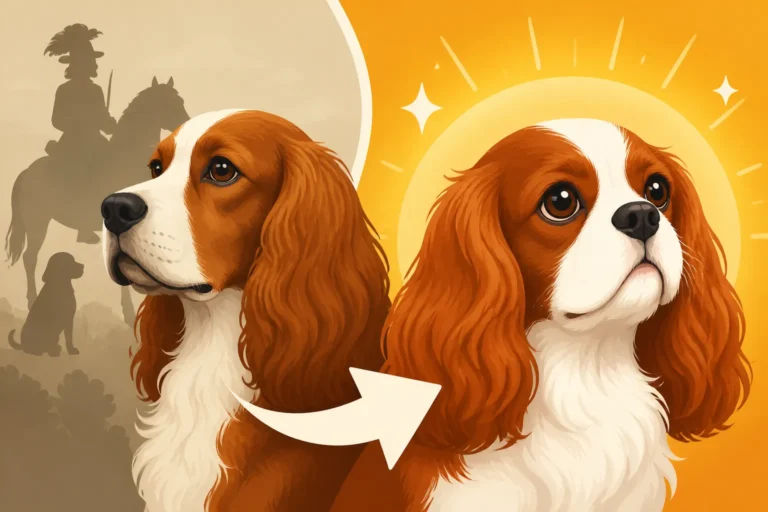
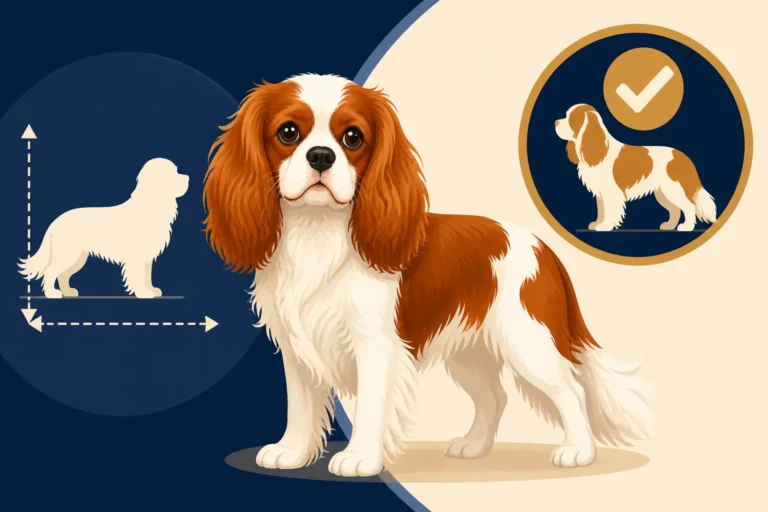
During the Victorian era, particularly the late 19th and early 20th centuries, there was a widespread trend in dog breeding towards more extreme features. For spaniels, this meant a preference for flatter faces, domed skulls, and undershot jaws, often influenced by the popularity of breeds like the Pug. Breeders began selecting for these traits, subtly but surely altering the look of the little companion spaniels that had once graced the courts of King Charles II. If you've ever seen older paintings, you'll notice the dogs depicted often had longer muzzles and flatter heads than their turn-of-the-century counterparts. This gradual shift meant that the elegant, long-nosed dogs featured in historical artwork were becoming increasingly rare. It was a genuine concern for enthusiasts who cherished the original appearance, seeing a heritage fade away with each generation of shorter-faced dogs. This era truly demonstrates How Cavalier Ancestors Changed Shape in the 1800s.
The "King Charles Spaniel" Divergence
This change wasn't just aesthetic; it led to the formal recognition of a distinct breed: the King Charles Spaniel (known in the US as the English Toy Spaniel). This breed embodied the newer, more extreme features, with a very short nose and a pronounced dome to its head. While lovely in its own right, it was a far cry from the dogs that sat on the laps of kings centuries prior. The original "Cavalier" type, with its moderate muzzle and relatively flat skull, was not only out of fashion but was actively being bred out of existence. Enthusiasts who remembered or admired the older type felt a sense of loss, realizing that the ancestral form was becoming almost mythical. The subtle but distinct differences between the historical dogs and these newer interpretations highlight The Pug Crosses That Shortened the Cavalier's Face. It created a real void for those who wished to preserve the original lineage.
Roswell Eldridge's Vision and the Crucial Challenge
Enter Roswell Eldridge, an American dog enthusiast with a deep appreciation for history and a keen eye for what had been lost. He wasn't content to let the "old type" vanish completely. He saw an opportunity to bring it back.
A Glimmer of the Past: Eldridge's Inspiration
Eldridge was captivated by the paintings of the old masters, particularly those depicting the little spaniels with their distinctive longer noses and less exaggerated features. He understood that these were the true ancestors of the breed and felt a strong desire to see them once again gracing the show rings and homes of dog lovers. He recognized that without a concerted effort, these dogs would simply disappear into the annals of history, forever confined to canvases. He had a clear mental image of The Old Type of Cavalier Eldridge Wanted Back, and it was this vision that fueled his ambition. He was one of those rare individuals who had the means and the drive to do something truly impactful for a breed he loved.
The Bold Offer and Its Conditions
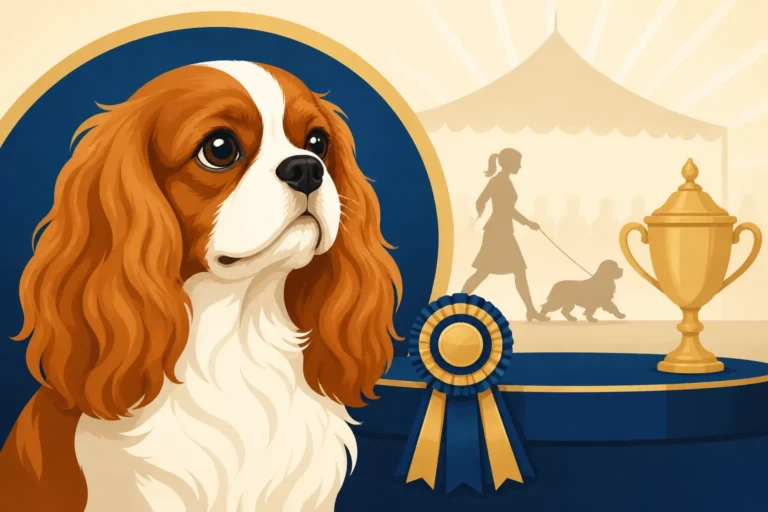
In 1926, Roswell Eldridge made a rather extraordinary announcement at Crufts, one of the most prestigious dog shows in the world. He offered a significant cash prize – a sum of £25 – for five consecutive years (1926, 1927, 1928, 1929, and 1930). This wasn't just any prize; it was specifically for the "best dog or bitch of the 'Blenheim Spaniel, old type' (as shown in the pictures of Charles II's time), with long face, no stop, flat skull, not inclined to be domed, and with the spot in centre of skull."
This was an incredibly precise and targeted challenge. He wasn't looking for just any Blenheim; he wanted a dog that explicitly rejected the prevailing short-faced fashion. The mention of the "spot in the centre of the skull" refers to the iconic chestnut "lozenge" or "kissing spot" found on the forehead of some Blenheim Cavaliers. By setting such specific criteria and offering a substantial prize, Eldridge hoped to motivate breeders to seek out and perpetuate the traits that had been lost. It was a direct call to action, aimed at reversing decades of breeding trends. This historic offer is truly the defining moment of The 1926 Advertisement That Revived the Cavalier.
| Feature | Eldridge's Desired "Old Type" | Prevalent "King Charles Spaniel" |
|---|---|---|
| Muzzle Length | Long face | Very short, pushed-in |
| Stop (forehead) | No stop | Distinct, pronounced stop |
| Skull Shape | Flat | Domed |
| Overall Expression | Gentle, sweet | Often more "puggish" |
| Blenheim Markings | Iconic "lozenge" spot | Present, but less emphasized |
| Historical Basis | Paintings of Charles II's era | Victorian breeding trends |
The Impact of the Prize Money on the Breed's Revival
Eldridge's challenge wasn't just a quaint historical footnote; it actively sparked a movement. While not every breeder immediately jumped on board, the incentive was powerful enough to change the course of canine history.
The Hunt for the "Old Type"
The prize money, which was a considerable sum at the time, spurred a dedicated group of breeders and enthusiasts to actively search for dogs that fit Eldridge's description. These were often "throwbacks" or individuals from more obscure lines that hadn't fully embraced the shorter-faced trend. Imagine the excitement and the detective work involved! People would pore over old photographs, examine pedigrees, and even travel to find dogs that might possess these rare, "old type" characteristics. It wasn't about simply breeding the next show champion; it was about recreating a living piece of history. This concerted effort was essential to How Roswell Eldridge Brought Back the Cavalier. It was a time of rediscovery and careful selection, recognizing the value in what had almost been discarded. Many of these early enthusiasts were meticulous in their record-keeping and spent countless hours researching, much like today's dedicated owners might research the best nutrition or gear for their dogs from trusted retailers like Chewy.
Early Successes and the Foundation of a New Standard
Though Eldridge himself passed away before seeing his dream fully realized in the show ring, his prize money successfully ran its course. The first recipient of the prize in 1928 was a dog named Ann's Son, owned by Mostyn Walker. This dog embodied the desired characteristics of the longer muzzle and flatter skull, proving that the old type could indeed be found and bred. The initial successes, though few, proved immensely encouraging. These early winners and their progeny formed the foundational stock for what would eventually become the Cavalier King Charles Spaniel as we know it. The efforts initiated by Eldridge's prize led to the formation of a dedicated club and the eventual creation of a breed standard that specifically called for these characteristics. Ann's Son, a dog whose very existence was spurred by Eldridge's prize, went on to become an incredibly important figure in the breed's development, embodying the vision of Ann's Son and the First Cavalier Standard.
The Lasting Legacy of Eldridge's Challenge
The story of Roswell Eldridge's prize money is more than just a tale of historical breeding; it's a testament to the power of a clear vision and strategic incentive in preserving canine heritage.
From Revival to Recognition
The momentum generated by Eldridge's prize money didn't stop in 1930. The small group of dedicated breeders continued their work, solidifying the "old type" as a distinct entity. They formed the Cavalier King Charles Spaniel Club in England in 1928, even before the last of Eldridge's prizes was awarded. This club was instrumental in advocating for the breed and creating a standard that clearly delineated it from the King Charles Spaniel. It took some time, but eventually, in 1945, the Kennel Club in the UK officially recognized the Cavalier King Charles Spaniel as a separate breed. This distinction was crucial, enshrining the longer-muzzled, flatter-skulled type that Eldridge had championed. The official separation meant that these dogs could be bred and shown according to their own unique characteristics, preventing them from being overshadowed by the short-faced variety. This achievement highlighted Why the Cavalier Split From the King Charles Spaniel and secured the breed's future. The consistent focus on maintaining The Cavalier's Longer Muzzle and Flatter Skull was directly attributable to Eldridge's initial push.
Modern Cavaliers and Their Historical Roots
Every Cavalier King Charles Spaniel you see today, whether a playful puppy or a dignified senior, carries the legacy of Roswell Eldridge's foresight. Their moderate muzzles, sweet expressions, and loving temperaments are direct results of that prize money and the breeders it inspired. While breed standards evolve and health considerations become increasingly paramount, the core aesthetic remains true to Eldridge's vision. When you look at a modern Cavalier, you are seeing a living link to The Court Spaniels the Cavalier Descends From – the beloved companions of King Charles II himself. Even today, responsible Cavalier owners who care deeply about their dog's health and happiness might turn to resources like Chewy for everything from breed-specific food and supplements to grooming tools that keep their Cavalier's coat looking its best, honoring that tradition of care and attention to the breed. It reminds us that while much of dog ownership now involves convenience through online shopping, the fundamental dedication to a dog's well-being and appearance remains timeless. Understanding this history also helps us appreciate the importance of ethical breeding today, focusing on health and temperament just as much as physical appearance, to ensure the breed's well-being into the future, a concern many consider when asking Whether a Cavalier Is the Right Dog for You.
Disclaimer
This article is for general informational purposes only and does not constitute professional advice. Laws, prices and regulations vary by location and change over time. Consult a qualified professional for guidance on your specific situation.