Whether Cavaliers Still Flush Birds
Many Cavalier King Charles Spaniel owners wonder if their sweet, cuddly companions still possess any of the sporting instincts of their ancestors, especially when they suddenly dart after a robin in the park. It can be frustrating, or even frightening, when your Cavalier ignores your calls to chase a bird, leading to concerns about their safety and your ability to enjoy walks. This guide will delve into the historical roots of these behaviors, explain why they persist, and offer practical strategies to manage and redirect these natural instincts safely and effectively.
The Cavalier's Spaniel Heritage and What It Means Today
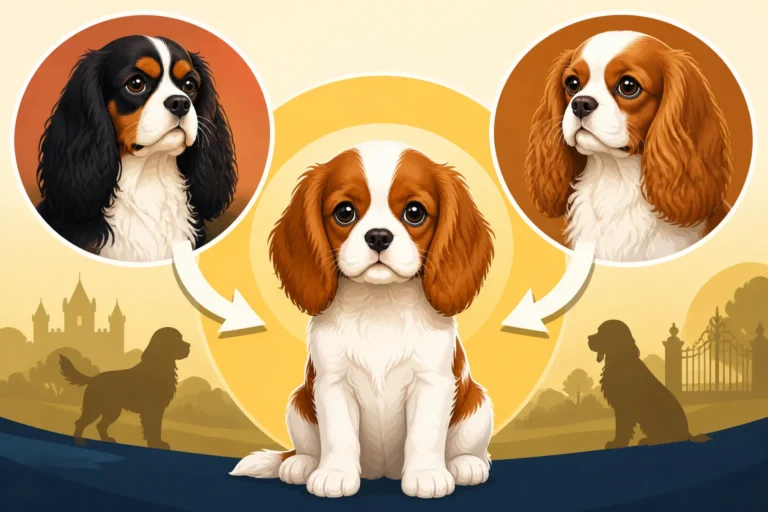
To understand why your Cavalier might still have an undeniable urge to chase birds, we need to take a little trip back in time. The Cavalier King Charles Spaniel, despite being primarily a cherished lapdog today, comes from a long line of working spaniels. These dogs, in particular the "Comforter Spaniels" that were popular with royalty and nobility for centuries, were originally bred for a very specific purpose: flushing game birds.
Imagine the grand estates of old England, with hunters and their dogs moving through fields and brush. The spaniels' job was to locate hidden birds, burst into the cover, and "flush" them out for the hunters. This required a keen sense of smell, an energetic drive, and a focus on movement. They weren't retrievers, but rather the initial instigators of the hunt. This historical role is a significant part of The Court Spaniels the Cavalier Descends From. Over generations, as these dogs moved from the field to the laps of kings and queens, their primary role changed. Selective breeding began to emphasize their gentle temperament, affectionate nature, and beautiful appearance rather than their hunting prowess. However, instincts are powerful things, deeply embedded in a breed's DNA, and they don't just disappear overnight, or even over a few centuries.
So, while your Cavalier might look like a fluffy, soft toy, somewhere deep down, there's still a tiny echo of that bird-flushing spaniel. This inherited trait isn't about aggression or disobedience; it's simply a genetic blueprint for how their ancestors interacted with the world. It’s a testament to the enduring nature of breed characteristics, even when their purpose has shifted dramatically. This dual nature—being both a devoted companion and retaining flashes of their working past—is part of what makes Cavaliers so captivating and, at times, a little surprising!
Why You Still See the Bird Chase
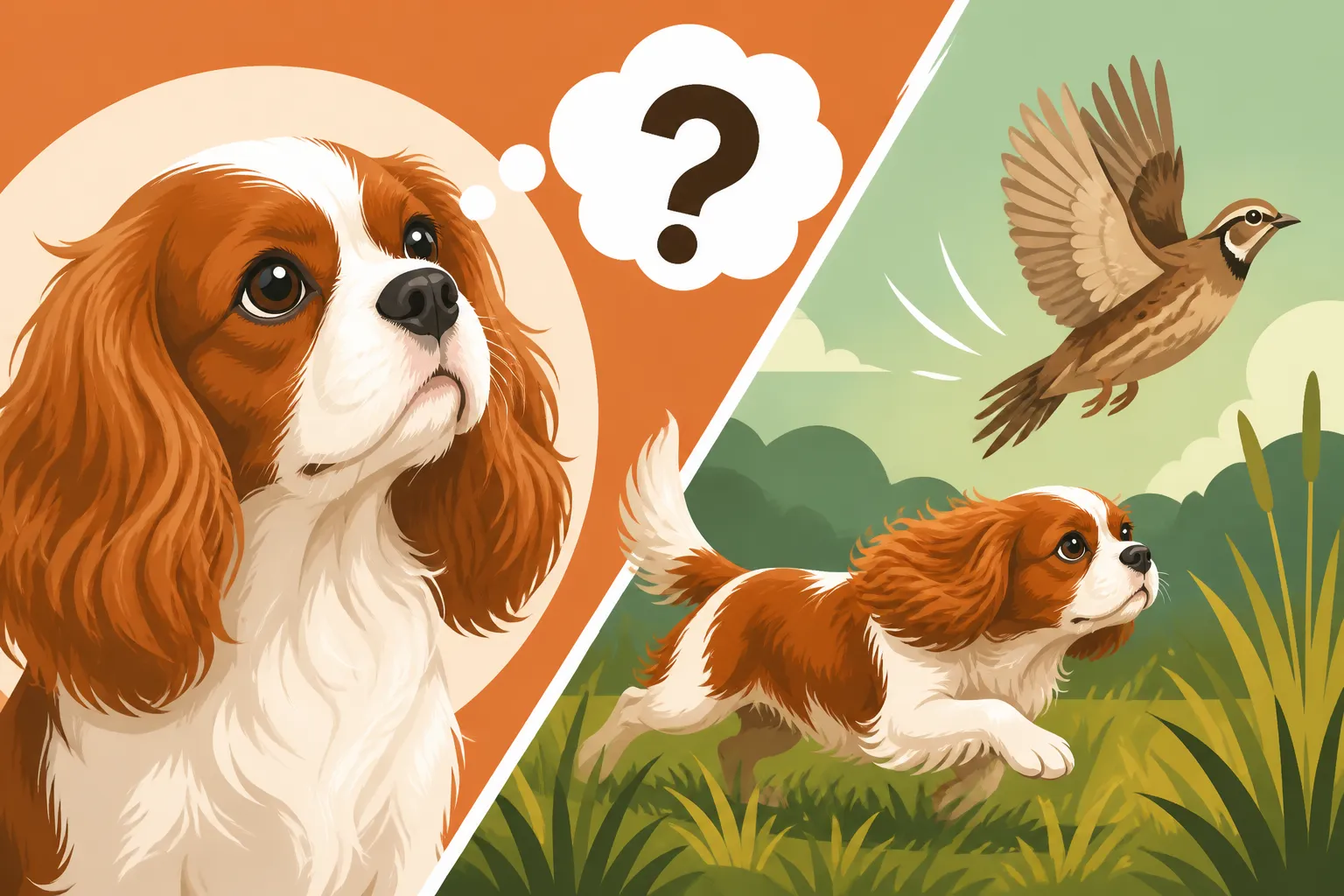
Even though centuries have passed since most Cavaliers regularly trotted through fields with hunters, that flicker of instinct remains surprisingly strong in many individuals. You might see it manifest in a sudden, seemingly unprovoked burst of speed after a pigeon in the park, a frantic dive for a squirrel climbing a tree, or even just an intense focus on a distant flock of birds. It’s one of the quintessential The Spaniel Behavior Left in a Cavalier.
When a Cavalier sees a bird take flight or scurry across the lawn, several things happen in their brain almost instantaneously. First, their prey drive kicks in. This isn't about hunger; it's the thrill of the chase, the instinct to pursue moving objects. The rapid, unpredictable movement of a bird is a huge trigger. Second, their finely tuned spaniel senses come alive. They might pick up on subtle auditory cues or visual changes that we, as humans, completely miss. It’s an exhilarating moment for them, a brief return to their ancestral roots, and for many Cavaliers, the sheer joy of the chase outweighs almost any command or distraction.
The challenge for us as owners is that this behavior is self-reinforcing. Each successful chase, even if the bird escapes (which it almost always does), provides a rush of dopamine and a sense of accomplishment for the dog. They learn that chasing birds is fun, exciting, and highly rewarding. This makes it incredibly difficult to interrupt once it starts, and it's why you'll often see them ignore your calls, even if they usually have excellent recall. It's not that they're being "bad"; they're simply following a very primal, deeply satisfying urge. This is exactly The Bird Chase a Cavalier Cannot Resist. Understanding this deep-seated motivation helps us approach the behavior with patience and a focus on management and redirection, rather than just expecting them to "stop."
Managing and Redirecting the Instinct
Living with a Cavalier who has a strong bird-chasing instinct requires proactive management and consistent training. It's less about eliminating the instinct entirely (which is almost impossible) and more about ensuring your dog's safety and your peace of mind.
Prioritizing Safety Through Leash Control
The most critical step in managing a Cavalier with a prey drive is to always keep them on a leash in unfenced or potentially unsafe areas. This might sound obvious, but it’s easy to get complacent, especially with such a sweet-natured dog. However, a moment of distraction, a sudden bird, and your Cavalier could be in harm's way. Using a sturdy harness, rather than just a collar, is often a better choice for Cavaliers, as it distributes pressure more evenly and prevents strain on their delicate necks. You can find excellent options, like a comfortable, well-fitting harness, on sites like Chewy that won't chafe or restrict their movement, even if they do make a sudden lunge. A long line can be a great training tool in secure, open spaces, allowing them to experience a sense of freedom while still remaining safely connected to you. Long Line Practice for a Cavalier can build confidence in both of you.
Consider the potential dangers: a busy road, an aggressive dog, or even just getting lost. A Cavalier focused on a chase has virtually no traffic sense, making Losing a Cavalier to Traffic and How It Happens a very real concern. Therefore, always err on the side of caution. Even if you've done extensive recall training, the bird chase is a formidable distraction.
Training for Reliable Recall and Focus
While the bird chase can override even the best recall, it doesn't mean you should give up on training it. A rock-solid recall is your best defense when the unexpected happens. Start training in low-distraction environments, using high-value treats that your Cavalier absolutely adores. Practice in various locations, gradually increasing the level of distraction. The key is to make coming back to you the most rewarding thing they could possibly do.
Another crucial skill is teaching your Cavalier to "watch me" or Teaching a Cavalier to Watch You on Walks. This command asks them to make eye contact with you, breaking their focus on whatever they were fixated on. Reward this heavily! It's a lifesaver for redirecting their attention away from potential avian targets before they even start the chase. Incorporate short, frequent training sessions into your daily routine, perhaps with a variety of irresistible treats you can purchase from Chewy, ensuring that training remains fun and engaging for your Cavalier.
Enriching Their Lives with Appropriate Outlets
Since you can't eliminate the prey drive, you can redirect it into acceptable and safe activities. Scent work, for example, is fantastic for Cavaliers. It taps into their natural scenting abilities, gives them a "job" to do, and is mentally stimulating. Scent Work as a Low-Impact Cavalier Sport can be done indoors or in a safely fenced yard, providing a wonderful outlet. You can hide treats or toys and encourage them to use their nose, fulfilling that seeking and finding instinct in a controlled way.
Interactive puzzle toys, chew toys, and even controlled games of fetch with a soft toy can also provide a healthy release for their energy and desire to chase. Make sure to choose durable, size-appropriate toys, easily found on sites like Chewy, that won't be a choking hazard. For those rare occasions when off-leash play is truly safe, such as in a private, fully fenced area, consider practicing with a toy as a "prey" item that you can control. This gives them the satisfaction of the chase, but with a predictable and safe outcome.
Securing Your Home Environment
Finally, assess your home and yard for security. A Cavalier can squeeze through surprisingly small gaps if motivated by a bird or squirrel. Ensure your fencing is secure and that there are no weak points. Fencing a Yard a Cavalier Will Not Leave should be a priority for any Cavalier owner, especially one with a strong prey drive. Remember, even a small crack in the fence can look like an open invitation to a determined Cavalier on the trail of a fluttering feather.
When "Flushing" Becomes a Concern
While a quick dart after a squirrel can be an endearing (and sometimes comical) part of owning a Cavalier, there are definitely times when this natural instinct can escalate into a genuine concern. It's important to recognize these situations and understand why they pose a risk to your beloved companion.
Safety Hazards and Potential for Injury
The most immediate and pressing concern when a Cavalier's bird-flushing instinct takes over is safety. Cavaliers, like many small dogs, are often unaware of their surroundings when they're in pursuit. They don't typically look both ways before dashing into a street after a pigeon. This makes them highly vulnerable to traffic accidents, which can be devastating. A quick, unexpected lunge can also yank a leash out of your hand, leaving them unrestrained and potentially running headlong into danger.
Beyond traffic, there's the risk of encounters with other animals. A small Cavalier, single-mindedly chasing a bird, might run straight into an aggressive dog, a territorial cat, or even wildlife that could cause harm. They might also get tangled in dense underbrush, fall into a ditch, or injure themselves by running full tilt into an obstacle. These aren't just minor mishaps; they can lead to serious injuries, costly vet bills, and emotional trauma for both dog and owner. This is why understanding Whether a Cavalier Can Ever Be Off Leash is so vital for their well-being.
Impact on Walks and Enjoyment
When your Cavalier's bird-chasing habit is strong, it can turn what should be a relaxing walk into a stressful ordeal. Instead of enjoying the scenery or a peaceful stroll, you might find yourself constantly scanning for birds, bracing for lunges, and struggling to maintain control. This can lead to shorter walks, or even a reluctance to take your Cavalier to places where birds are prevalent, which limits their enrichment and socialization opportunities.
It can also be frustrating for owners who've invested time and effort into training, only to have all that work seemingly undone by a fluttering wing. The feeling of being ignored by your dog can be disheartening. This constant tension during walks isn't healthy for either of you and can strain the bond between pet and owner. It's not just about managing the behavior; it's about preserving the joy of shared experiences.
The Slippery Slope of Obsession
For some Cavaliers, the bird-chasing instinct can go beyond occasional bursts of excitement and veer into obsessive behavior. They might become overly fixated on birds even when there aren't any around, constantly scanning the sky, whining, or becoming agitated at the slightest rustle in the bushes. This level of obsession can indicate that the behavior is causing significant stress for the dog, as they are constantly in a state of heightened arousal and frustration.
An overly obsessed Cavalier might struggle to relax even indoors, becoming hyper-vigilant at windows or doors. This can impact their overall quality of life and even lead to other behavioral issues like anxiety or reactivity. If you notice this kind of intense fixation, it's a strong sign that the behavior needs more focused intervention, potentially with the help of a professional trainer or behaviorist who understands the nuances of spaniel prey drive.
A Comparative Look at Spaniel Instincts
To truly appreciate the Cavalier's lingering bird-chasing instinct, it's helpful to see how it compares to their working spaniel cousins and how modern breeding has shaped (but not erased) these traits.
| Trait Aspect | Working Spaniel (e.g., Springer, Cocker) | Cavalier King Charles Spaniel |
|---|---|---|
| Primary Purpose | Locating and flushing game for hunters. | Affectionate companion, lapdog. |
| Prey Drive | High; strong instinct to hunt, flush, and sometimes retrieve. | Moderate to High; instinct to chase (especially birds) remains, but less focused on actual hunting. |
| Scenting Ability | Highly developed; used to track game. | Present and can be keen, but less utilized for hunting. |
| Focus/Persistence | Very persistent in the field, often ignoring distractions to pursue game. | Can be highly focused on a chase, but generally more amenable to redirection with consistent training. |
| Energy Level | Very high; requires extensive exercise and mental stimulation. | Moderate; enjoys walks and playtime, but also loves lounging. |
| Trainability | Eager to please and highly trainable for working tasks. | Eager to please, but can be distracted by instinctual urges. |
This table illustrates that while the underlying genetic drive is similar, the expression and intensity of the instinct have evolved with the breed's purpose. Your Cavalier might not be bringing you a pheasant, but that sudden dash after a butterfly is a nod to its working ancestors.
Living With a Bird-Loving Cavalier
Living with a Cavalier who has a penchant for bird-chasing means embracing their history while proactively ensuring their safety and happiness in the modern world. It's about being prepared and understanding that their behavior isn't defiance, but rather an echo of their past.
Consistency is Your Best Friend
Whether it's training recall, using a harness, or engaging in scent work, consistency is absolutely key. Sporadic training or inconsistent rules will only confuse your Cavalier and make it harder for them to learn what's expected. Every walk is a training opportunity, and every interaction helps reinforce the behaviors you want to see. Remember that small, frequent training sessions are more effective than long, infrequent ones for a Cavalier.
Think of it this way: every time your Cavalier successfully chases a bird, that instinct is strengthened. Every time you successfully interrupt a chase or redirect their attention, you're strengthening the alternative, desired behavior. It's a continuous process, especially with deeply ingrained instincts.
The Right Gear Makes a Difference
Invest in a good quality, well-fitting harness that prevents escape and discomfort. A regular collar might be fine for ID tags, but for walks, especially with a dog prone to lunging, a harness is superior and kinder to their neck. Consider a brightly colored harness or leash if you have an escape artist, making them easier to spot. Always use a leash that is appropriate for your dog's size and your strength. Extendable leashes, while offering more freedom, can sometimes make it harder to quickly reel in a darting Cavalier and are generally not recommended for dogs with strong prey drive near busy areas. Chewy offers a wide range of harnesses and leashes specifically designed for small breeds, ensuring you find the perfect fit for your Cavalier's comfort and your peace of mind. Harnesses Suited to a Cavalier's Neck are a smart choice.
Celebrate Their Spaniel Heart (Safely)
Instead of fighting against their natural instincts, find safe and appropriate ways to let your Cavalier express them. As mentioned, scent work is fantastic. You can also explore dog sports like Rally Obedience or even a modified form of agility (with low jumps to protect their joints) which taps into their desire to work with you and follow commands in an exciting environment. These activities provide mental and physical stimulation, fulfilling that "spaniel need" to engage and "hunt" for rewards, but in a structured, safe setting.
Ultimately, understanding that your Cavalier still has a bit of that bird-flushing spaniel in their soul allows you to approach their behavior with empathy rather than frustration. By prioritizing safety, being consistent with training, and providing enriching outlets, you can ensure your Cavalier enjoys a full, happy life without succumbing to the dangers of their ancient instincts.
Disclaimer
This article is for general informational purposes only and does not constitute professional advice. Laws, prices and regulations vary by location and change over time. Consult a qualified professional for guidance on your specific situation.