The Nine to Fourteen Year Cavalier Lifespan
It’s a truly disheartening moment when you realize that the sweet, affectionate Cavalier King Charles Spaniel you adore, or are dreaming of bringing home, might not live as long as other similarly sized breeds. Many prospective owners are shocked to learn that the average Cavalier lifespan often falls into the 9 to 14-year range, a statistic that feels far too short for such a loving companion. This guide is here to walk you through the realistic expectations for a Cavalier's life, the major health challenges that impact their longevity, and, most importantly, actionable steps you can take to give your furry family member the best possible chance at a long, healthy, and joy-filled life.
The Heartbreaking Reality of Cavalier Lifespans
The Cavalier King Charles Spaniel is a breed renowned for its gentle nature, affectionate personality, and beautiful, expressive eyes. They make incredible companions, which is why it's so painful to acknowledge the health challenges that often limit their time with us. The idea of "average lifespan" can feel abstract until it's your dog, and suddenly, every year, every month, every day counts.
Why Cavaliers Often Fall Short of Expectations
When you look at other toy breeds, you might see average lifespans stretching into the mid-teens, sometimes even beyond 15 or 16 years. So why do Cavaliers often seem to get the short end of the stick, averaging closer to 9 to 12 years? It's largely due to a genetic predisposition to several serious health conditions that have become widespread within the breed over generations. These aren't just minor inconveniences; they are often life-limiting diseases that can dramatically impact a dog's health and longevity. It's a heavy burden, both emotionally and financially, for loving owners who simply want more time with their cherished pets. The truth is, many Cavaliers face significant health hurdles that start much earlier than in other breeds, leading to a shorter overall lifespan than many prospective owners anticipate.
Factors That Shape Their Years
While genetics play a massive role, it's not the only factor determining how many years you get with your Cavalier. It's a complex interplay of inherited traits, environmental influences, and the quality of care they receive throughout their lives. Think of it like a puzzle where each piece contributes to the overall picture. A Cavalier from impeccably health-tested lines might still face a freak accident, or one from less-than-ideal circumstances could defy the odds with diligent care. However, stacking the deck in their favor through responsible ownership can make a world of difference.
Here’s a quick overview of critical factors:
| Factor | Impact on Lifespan | Details |
|---|---|---|
| Genetics | Most significant impact. Predisposition to MVD, SM, joint issues, eye conditions. | Responsible breeders conduct extensive health testing to reduce risk. |
| Nutrition | Directly affects overall health, weight, and disease progression. | High-quality, balanced diet tailored to age and activity level is crucial. Overweight Cavaliers struggle more with heart disease. |
| Veterinary Care | Early detection, timely treatment, preventative measures. | Regular check-ups, appropriate screenings (cardiac, MRI), vaccinations, parasite control. |
| Weight Management | Crucial for heart health and joint longevity. | Keeping a Cavalier at an ideal weight significantly reduces strain on the heart and joints, which are common weak points for the breed. |
| Exercise | Maintains muscle tone, cardiovascular health, and mental well-being. | Appropriate exercise, not over-exertion, especially for those with heart murmurs or joint issues. |
| Environment | Safety from accidents, exposure to toxins, stress levels. | Safe home environment, secure yard, protection from extreme weather, positive and calm household. |
Understanding these factors is the first step in taking control of what you can influence. While you can't change their genetic blueprint, you can certainly provide an environment and care regimen that maximizes their potential for a full and vibrant life.
Understanding the Leading Threats to Cavalier Longevity
It’s no secret that Cavaliers are unfortunately prone to certain hereditary health conditions. These aren’t just minor ailments; they are often serious, progressive diseases that can significantly shorten their lives and impact their quality of life. Knowing what these threats are and how they manifest is crucial for early detection and management, giving you the power to advocate for your dog's health.
The Pervasive Shadow of Mitral Valve Disease
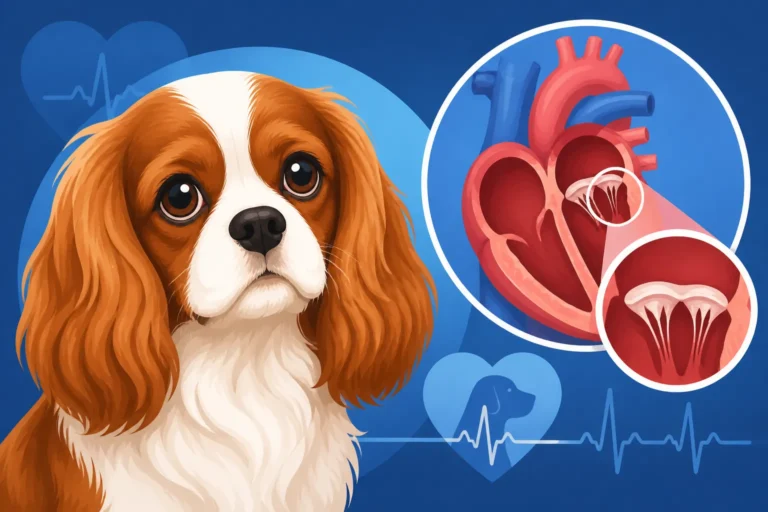
Perhaps the most notorious health issue for Cavaliers is Mitral Valve Disease (MVD). This isn't just a common problem; it's practically an epidemic within the breed. It's truly heartbreaking to learn that a staggering number of Cavaliers, often as many as half, will develop a heart murmur by the age of five, and almost all will eventually be affected. This isn't just an "old dog" disease for Cavaliers; it can strike in their prime, and it's the leading cause of death for the breed.
MVD is a progressive condition where the mitral valve, one of the heart's four valves, begins to degenerate and thicken. This prevents it from closing properly, causing blood to leak backward into the left atrium with each heartbeat. Over time, this leakage makes the heart work harder, leading to enlargement and, eventually, congestive heart failure. The progression of heart disease can feel rapid and devastating. You might notice your once-energetic companion tiring on short walks, or you might start hearing a tell-tale cough at night. If you're wondering how this debilitating condition progresses, you can read more about How Cavalier Heart Disease Progresses Stage by Stage.
Early detection is absolutely key, even before symptoms become apparent. Regular check-ups with your veterinarian, including listening to their heart, are essential. If a murmur is detected, a referral to a veterinary cardiologist for an echocardiogram is the gold standard for diagnosis and staging. While MVD cannot be cured, it can be managed with medication for years, significantly improving both quality and length of life. Companies like Healthy Paws can be a lifesaver here, as cardiology visits and ongoing medications can quickly become very expensive.
Syringomyelia: A Hidden Source of Suffering
Another significant, and often agonizing, challenge for many Cavaliers is Syringomyelia (SM). This neurological condition is directly linked to Chiari-like malformation (CM), where the skull is too small for the brain, causing the cerebellum to be pushed into the spinal canal. This abnormal fit obstructs the flow of cerebrospinal fluid, leading to the formation of fluid-filled cavities (syrinxes) within the spinal cord.
The symptoms of SM can range from mild discomfort to excruciating, chronic pain. Owners often describe their Cavaliers "air scratching" – scratching at their shoulders, neck, or ears without actually making contact, or yelping when picked up or touched in certain areas. It can manifest as a sensitivity to touch, a reluctance to use stairs, or a change in temperament, such as becoming withdrawn or irritable. Diagnosing SM requires an MRI, which can be a costly undertaking, leaving many owners feeling helpless. To understand more about this complex condition, delve into Syringomyelia and Chiari Malformation in Cavaliers. The pain from SM can severely impact a Cavalier's quality of life and, in severe cases, their longevity, especially if it leads to immobility or secondary health issues. Thankfully, pain relief for a Cavalier with Syringomyelia is available, and some dogs respond well to medical management.
Other Common Ailments That Shorten Lives
While MVD and SM are the most impactful, Cavaliers are also prone to other conditions that, while not always directly fatal, can certainly reduce their lifespan or significantly diminish their quality of life if not managed.
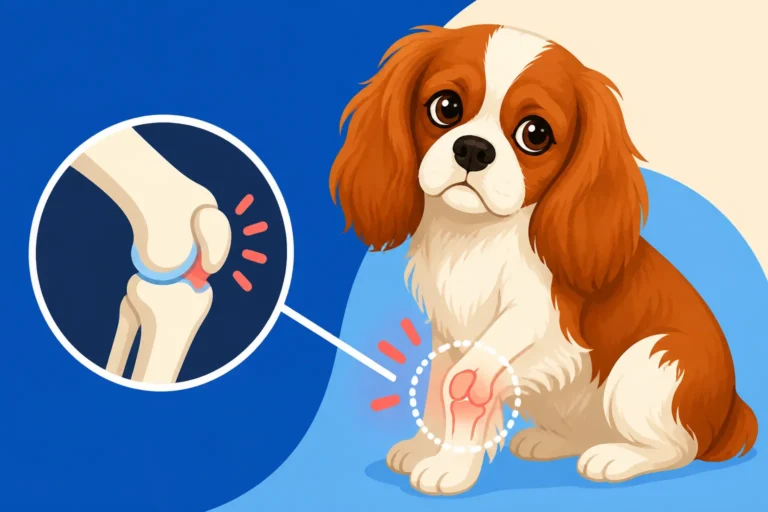
- Joint Problems: Patellar luxation (slipping kneecaps) and hip dysplasia are not uncommon. These conditions can lead to chronic pain, mobility issues, and early arthritis, especially as a Cavalier ages. It’s hard to imagine your happy, bouncy Cavalier suddenly struggling to get on the sofa, but it's a real possibility. You can learn more about managing these issues in Cavalier Knees, Hips and Joint Problems.
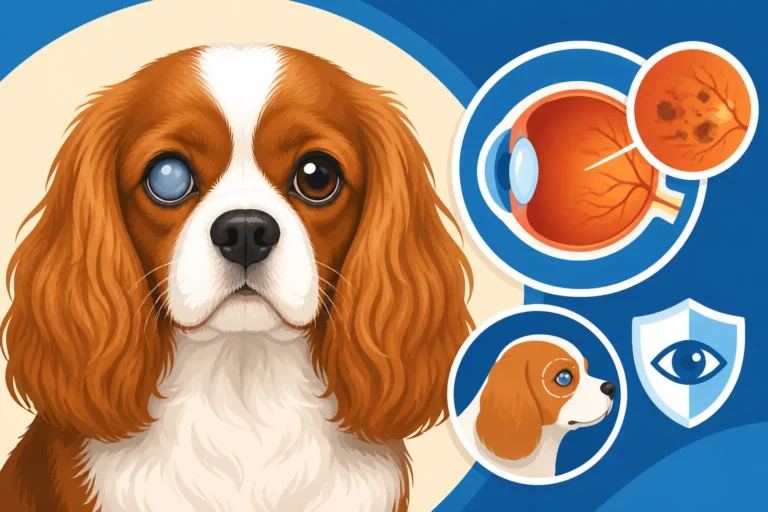
- Eye Disease: Cavaliers can be predisposed to various eye issues, from common dry eye syndrome to more serious conditions like cataracts and retinal dysplasia. While most eye conditions aren't life-threatening, severe vision impairment can impact a dog's independence and overall well-being. Regular eye exams are important for early detection. Discover more about Cavalier Eye Disease From Dry Eye to Cataracts.
- Cancer: Like all breeds, Cavaliers are susceptible to various forms of cancer. While there isn't a single type uniquely prevalent in Cavaliers, it's always a concern, especially as they get older. Early detection through regular veterinary check-ups is the best defense.
- Ear Infections: Due to their long, floppy ears, Cavaliers are prone to recurrent ear infections. While often treatable, chronic infections can lead to severe pain, hearing loss, and even necessitate surgery if left unaddressed. It’s important to understand Cavalier Ear Infections and Why They Recur to prevent ongoing discomfort.
These myriad health challenges underscore the importance of thorough research, responsible breeding practices, and dedicated care throughout a Cavalier's life.
Strategies for Extending and Enriching Your Cavalier's Life
While the list of potential health issues might seem daunting, it's not a death sentence. As an owner, you have significant power to influence your Cavalier's health trajectory and extend their time with you. It’s about being proactive, informed, and committed to their well-being from the moment they enter your life.
Making Smart Choices from the Start: Ethical Breeding Matters
This cannot be stressed enough: the single most important decision you'll make for your Cavalier's long-term health is choosing a responsible, ethical breeder. A reputable breeder is not just selling puppies; they are meticulously working to better the breed, which includes minimizing the risk of inherited diseases like MVD and SM.
- Health Testing is Non-Negotiable: A good breeder will conduct extensive health screening on their breeding stock, not just the puppies. For Cavaliers, this means annual cardiac examinations by a board-certified veterinary cardiologist, often until the dog is at least five years old, to check for MVD. It also means MRI scanning for Syringomyelia. Don't be shy about asking to see copies of these certifications and verifying them. A breeder who truly prioritizes health will be proud to share them. Knowing The Heart Testing a Cavalier Breeder Must Do is critical before you even consider bringing a puppy home.
- Understanding Pedigrees: Ask about the health history of the parents, grandparents, and even great-grandparents. A reputable breeder will be transparent about any health issues in their lines, even if it means acknowledging that some lines carry certain risks. They will be actively working to mitigate these.
- Patience is a Virtue: Expect waiting lists. Breeders who do all the right things often have limited litters and a high demand for their puppies. Rushing into a purchase from a breeder who can offer a puppy immediately and cheaply is often a red flag that shortcuts have been taken on health testing. Learning more about Buying a Cavalier From a Health-Testing Breeder can save you a lot of heartache (and veterinary bills) down the line.
The Power of Proactive Veterinary Care
Once your Cavalier is home, ongoing veterinary care becomes your primary tool for maintaining their health. This isn't just about vaccinations; it's about a holistic, preventative approach.
- Regular Check-ups: Even if your Cavalier seems perfectly healthy, annual (and eventually biannual for seniors) vet visits are crucial. Your vet can catch subtle changes, listen for heart murmurs, and conduct routine blood work that might flag issues before they become serious.
- Specialized Screenings: As mentioned, for Cavaliers, specific screenings are vital. Annual cardiologist exams are a must once they reach a certain age, often starting around 1-2 years old. This is how early murmurs are detected, giving you a head start on managing potential MVD. Understanding What a Cavalier Cardiologist Visit Involves can help you prepare for these essential appointments.
- Pet Insurance: Given the breed's propensity for expensive chronic conditions, pet insurance is a serious consideration. Companies like Healthy Paws can offer significant relief when those unexpected (or expected, with Cavaliers) vet bills start rolling in. Enrolling your Cavalier when they are young, before any pre-existing conditions develop, is crucial. If you wait until a murmur is detected, it might become a pre-existing condition not covered by your policy.
- Dental Care: Good dental hygiene is often overlooked but plays a significant role in overall health. Poor dental health can lead to infections that impact other organs, including the heart. Regular dental cleanings under anesthesia, along with at-home brushing, are vital.
Daily Habits for Optimal Health and Longevity
Beyond genetics and vet visits, your daily care routine profoundly influences your Cavalier’s health. These are the small, consistent efforts that add up to a big difference.
- Nutrition and Weight Management: This is paramount. Cavaliers are notoriously good eaters and can gain weight easily, which puts extra strain on their hearts and joints. Feed a high-quality, balanced diet appropriate for their age and activity level. Measure their food precisely, rather than free-feeding. And be mindful of treats! It's surprising how quickly extra calories add up for a small dog. Keeping a Cavalier at a weight its heart can carry can literally buy them more time, especially as MVD progresses. For more on this, check out Keeping a Cavalier at a Weight Its Heart Can Carry and Why an Overweight Cavalier Fails Faster.
- Appropriate Exercise: While Cavaliers love a good romp, they aren't marathon runners. Moderate daily exercise – a couple of brisk walks, some playtime in the yard – is usually sufficient. Be mindful of their individual needs, especially as they age or if they have a heart murmur. For instance, you might wonder Whether Exercise Is Safe for a Cavalier With MVD. The answer is often yes, but it needs to be tailored to their specific condition.
- Mental Stimulation: Cavaliers are intelligent and thrive on interaction. Regular training sessions, puzzle toys, and new experiences keep their minds sharp and help prevent boredom, which can lead to destructive behaviors or anxiety.
- Grooming and Hygiene: Regular brushing prevents matting, especially behind the ears and on their feathering. Ear cleaning is crucial due to their drop ears, and nail trims prevent discomfort. Don’t forget to gently wipe their faces daily to prevent tear staining and keep the prominent eyes clean.
Navigating the Senior Years with Your Beloved Cavalier
As much as we wish they could stay puppies forever, all dogs age. For Cavaliers, given their predispositions, their senior years often come with a heightened need for attentive care and a deep understanding of their changing needs. It's a phase that, while bittersweet, can still be rich in companionship and comfort.
Recognizing the Gentle Decline
The signs of aging in a Cavalier can be subtle at first, often mistaken for just "slowing down." But paying close attention can help you catch issues early and provide interventions that improve their comfort and quality of life. The changes might include a slight decrease in energy, a longer nap time, or a reluctance to jump onto furniture they once scaled with ease.
Common signs of an aging Cavalier often include:
- Changes in Mobility: Stiffness, difficulty getting up, slower walking, or reluctance to go up or down stairs could indicate arthritis or joint pain. If your Cavalier is showing these signs, it could be a signal for increased pain management.
- Changes in Appetite or Thirst: A sudden increase or decrease could signal underlying health issues, including kidney disease or diabetes.
- Vision or Hearing Loss: They might startle more easily, bump into furniture, or fail to respond to commands they once knew perfectly.
- Increased Vocalization or Confusion: Some senior dogs experience cognitive decline, showing signs of disorientation, anxiety, or altered sleep-wake cycles.
- Changes in Coat or Skin: Dryness, dullness, or new lumps and bumps should always be checked by a vet.
- More Frequent Urination or Accidents: This can be a sign of urinary tract infections, kidney issues, or even cognitive decline affecting house-training.
It’s truly important to remember that many of these changes aren't just "part of old age" but could be symptoms of treatable conditions. A new cough, for example, is rarely just an "old dog cough" in a Cavalier; it often points to progressing heart disease. For a deeper dive into what to expect, explore What Changes in a Cavalier After Eight.
Adapting Care for an Aging Cavalier
As your Cavalier enters their golden years, your care routine will need to adapt to support their evolving needs. This is where proactive management becomes even more critical.
- More Frequent Vet Visits: Your senior Cavalier will likely benefit from biannual (every six months) vet check-ups instead of annual ones. This allows for earlier detection of age-related diseases. These visits will likely include more comprehensive blood work, urine tests, and careful cardiac monitoring.
- Pain Management: If arthritis or other chronic pain conditions are present, your vet can recommend appropriate pain relief strategies, from anti-inflammatory medications to joint supplements and physical therapy. Addressing pain can significantly improve a senior Cavalier's quality of life. For more detailed advice, read about Pain Management for a Senior Cavalier.
- Dietary Adjustments: Your vet might recommend a senior-specific diet that is lower in calories (if they are less active), higher in fiber, or contains supplements for joint health. If MVD is advancing, a low-sodium prescription diet might be necessary to help manage fluid retention.
- Creating a Comfortable Environment: Make sure their bed is easily accessible and supportive. Consider ramps or steps for accessing furniture or beds they can no longer jump onto. Keep their routine consistent to reduce anxiety if they are experiencing cognitive decline.
- Grooming Patience: Older Cavaliers might find grooming sessions more tiring or uncomfortable. Be gentle, take breaks, and consider shorter, more frequent sessions.
Caring for an older Cavalier is a special journey, one that requires patience, empathy, and a willingness to adjust. It is often during these years that the investment in pet insurance, like a policy from Healthy Paws, truly pays off, helping cover the costs of increased vet visits, medications, and specialized care. You can find invaluable information on this phase in Caring for a Cavalier Past Nine.
Supporting Quality of Life in the Final Chapter
The hardest part of loving a Cavalier is knowing that someday, you'll have to say goodbye. When your Cavalier is in their end-stage disease, especially with MVD or severe SM, the focus shifts entirely to ensuring their comfort and preserving their quality of life. This is a deeply personal and often agonizing decision-making process.
- Monitoring Quality of Life: Your vet can help you assess your Cavalier's quality of life using objective measures, looking at factors like appetite, pain levels, mobility, interest in activities, and the ability to maintain hygiene. It’s about more than just surviving; it’s about thriving, even in their last days.
- Palliative Care: This focuses on comfort rather than cure. It might involve adjusting pain medications, ensuring they are eating and drinking, managing incontinence, and simply providing warmth and companionship.
- Hospice Care: Some veterinary practices offer hospice services, providing support and guidance through your pet's final weeks or months, often including in-home care.
- Knowing When It's Time: This is the most difficult decision any pet owner faces. It's about preventing suffering and making a compassionate choice when medical interventions can no longer maintain a good quality of life. Resources are available to help you understand Knowing When a Cavalier's Heart Has Run Out and navigate this heartbreaking process with grace and love.
The journey with a Cavalier King Charles Spaniel, while potentially shorter than with some other breeds, is immeasurably rich. By understanding their health challenges and committing to proactive, informed care, you can help them live out their years with as much joy and comfort as possible.
Disclaimer
This guide provides general information about the Cavalier King Charles Spaniel lifespan and related health concerns. It is not a substitute for professional veterinary advice. Always consult with a qualified veterinarian for any health concerns or before making any decisions about your pet's care.