Diuretics for a Cavalier in Heart Failure
It’s a truly frightening experience to see your cherished Cavalier King Charles Spaniel struggling for breath, or to hear that persistent, wet cough that just won’t seem to ease up. When your beloved companion's heart disease progresses to the point where fluid begins to build up in their lungs or abdomen, it marks a critical and often distressing turning point. This guide is here to help you understand why diuretics are so vital in managing heart failure in Cavaliers, what to expect when your dog starts this medication, and how you can best support them through this challenging time.
When a Cavalier's Heart Fails and Needs Diuretics
Heart disease, particularly mitral valve disease (MVD), is heartbreakingly common in Cavalier King Charles Spaniels, often appearing earlier in their lives than in other breeds. As the heart's ability to pump blood efficiently diminishes, fluid can start to back up, leading to serious complications that severely impact their quality of life.
The Onset of Congestive Heart Failure in Cavaliers
For many Cavalier owners, the journey often begins with the discovery of a heart murmur during a routine vet visit. Initially, it might just be a murmur, a whoosh sound as blood leaks back through a faulty mitral valve. For a deeper dive into this, you might find our article on The Age a Cavalier Murmur Usually Appears helpful. Over time, this leakage worsens, forcing the heart to work harder. The heart chambers might enlarge, a condition known as cardiomegaly, as the body tries to compensate. However, there comes a point where these compensatory mechanisms are no longer enough, and blood pressure increases within the heart and blood vessels.
When the pressure in the blood vessels around the lungs becomes too high, fluid starts to seep out of the capillaries and into the lung tissue, a condition called pulmonary edema. This is congestive heart failure. It means the lungs are literally filling with water, making it incredibly difficult for your Cavalier to breathe. Sometimes, fluid can also accumulate in the abdomen, causing it to swell, or in other areas of the body, leading to peripheral edema. This is a critical stage, and medical intervention, often including diuretics, becomes essential to alleviate the immediate symptoms and improve comfort.
Recognizing the Signs Your Cavalier Needs Diuretics
Catching the signs of fluid buildup early is absolutely crucial. As pet parents, we are our Cavaliers' first line of defense. The most common and alarming sign that your Cavalier might be experiencing congestive heart failure and requires diuretics is a persistent cough, especially one that sounds wet or gurgly. This cough often worsens at night or when they are lying down. If your Cavalier is Coughing at Night in a Cavalier, it's a huge red flag to discuss with your vet immediately.
Other tell-tale signs include:
- Increased breathing effort or rate: You might notice their flanks moving more dramatically with each breath, or they might seem to be breathing faster even when at rest. Learning how to accurately measure Counting a Cavalier's Resting Breaths at home can be a life-saving skill.
- Lethargy and reduced exercise tolerance: They might become A Cavalier That Tires on Short Walks much more easily, or show less interest in play than usual.
- Restlessness or anxiety: They might struggle to find a comfortable position to lie down, pacing or standing with their head raised as they try to breathe more easily.
- Loss of appetite or weight loss.
- Swollen belly (ascites): If fluid accumulates in the abdomen, their belly might appear distended and feel taut.
These symptoms indicate that your Cavalier's heart disease has progressed to a serious stage, requiring prompt veterinary attention. A vet will likely perform a chest X-ray to confirm pulmonary edema or other fluid accumulations, and discuss starting appropriate Medication for a Cavalier With Heart Disease.
Why Fluid Buildup Is So Dangerous
Fluid buildup, whether in the lungs (pulmonary edema) or the abdomen (ascites), is life-threatening because it directly interferes with vital bodily functions. In the lungs, excess fluid prevents oxygen from effectively reaching the bloodstream, leading to hypoxia (lack of oxygen). Imagine trying to breathe underwater; that's essentially what it feels like for a dog with severe pulmonary edema. This oxygen deprivation stresses every organ in the body, particularly the brain and kidneys, and can quickly lead to collapse or death if not addressed.
Abdominal fluid, while not as immediately life-threatening as lung fluid, still causes immense discomfort. It puts pressure on internal organs, can make breathing harder, and significantly reduces appetite, leading to malnutrition and overall decline. Left untreated, fluid accumulation due to heart failure will ultimately overwhelm the body, leading to End-Stage Heart Failure in a Cavalier. This is why diuretics are so critical – they offer a pathway to clear this dangerous fluid and restore a more comfortable, oxygenated state for your Cavalier.
Understanding Diuretics: The Different Types and How They Work
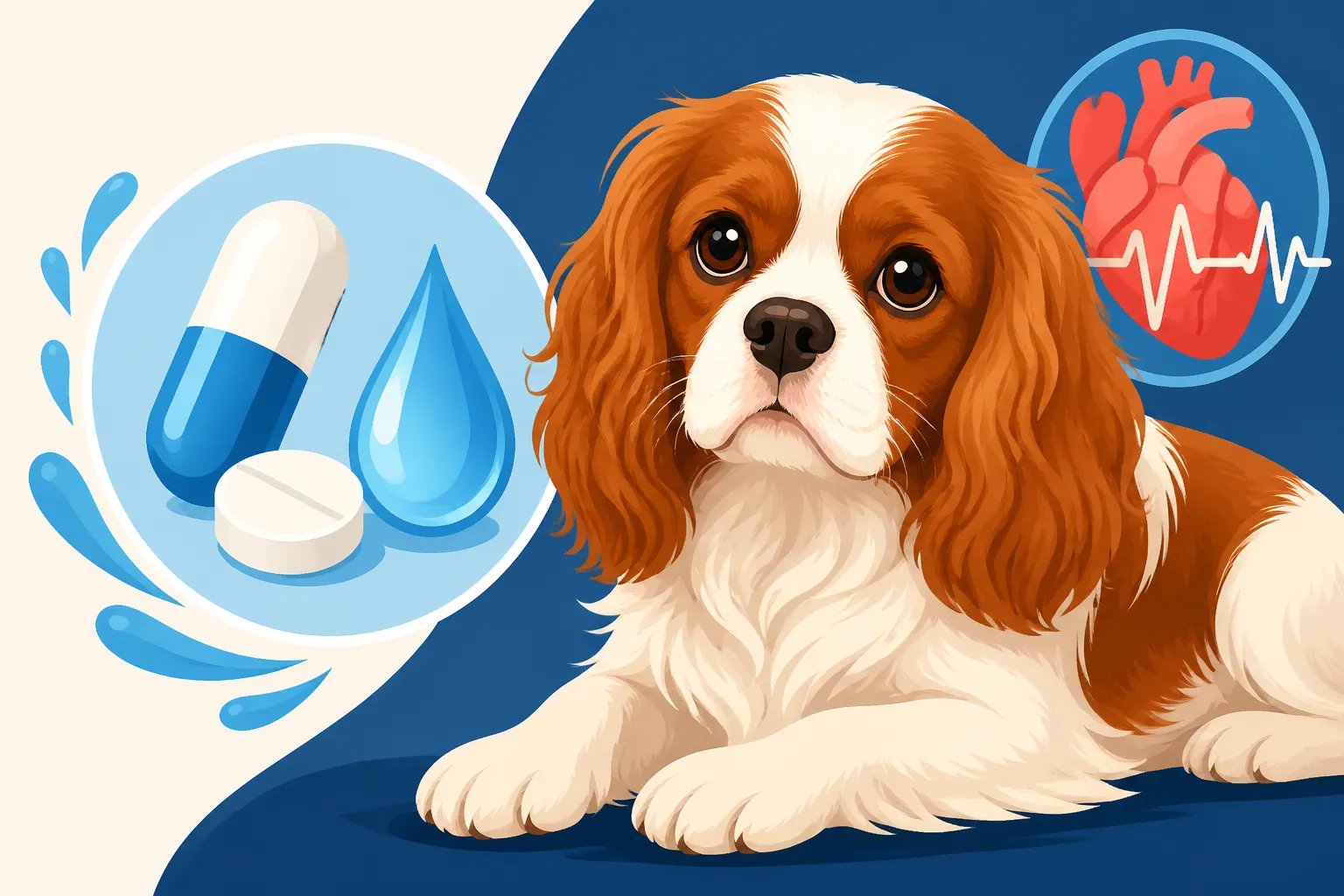
Diuretics are the cornerstone of managing congestive heart failure in dogs because they directly target the problematic fluid retention. They work by increasing the excretion of water and salts (electrolytes) from the body, primarily through the kidneys.
Common Diuretics Used in Cavalier Heart Failure
When your Cavalier is diagnosed with congestive heart failure, your veterinarian or a veterinary cardiologist will typically prescribe one or more types of diuretics. The most common ones you'll encounter are:
- Furosemide (Lasix): This is often the first-line and most potent diuretic used. Furosemide is a "loop diuretic," meaning it acts on a specific part of the kidney called the Loop of Henle to dramatically increase the output of urine. It works quickly, often providing noticeable relief within hours, and is crucial for rapidly clearing fluid from the lungs. Your vet will determine the appropriate dose, which can vary significantly depending on the severity of your Cavalier's condition. For severe cases, it might even be given via injection initially.
- Spironolactone (Aldactone): Unlike furosemide, spironolactone is a potassium-sparing diuretic. It works by blocking aldosterone, a hormone that causes the body to retain sodium and water. While less potent than furosemide, it's very beneficial when used in combination with other diuretics because it helps to counteract the potassium loss that other diuretics can cause. This makes it a gentler, more long-term management tool, often used to help reduce the dosage of more aggressive diuretics like furosemide.
- Hydrochlorothiazide (HCTZ): This is a thiazide diuretic, sometimes used in combination with furosemide and spironolactone, particularly for Cavaliers that become "refractory" to furosemide alone (meaning furosemide is no longer as effective). It acts on a different part of the kidney's tubules to increase sodium and water excretion.
Your vet will assess which diuretic, or combination of diuretics, is best for your Cavalier based on their specific needs and how they respond to treatment.
How Diuretics Alleviate Fluid Buildup
The mechanism behind diuretics is quite fascinating and vital for understanding their role in heart failure. Essentially, these medications signal the kidneys to stop reabsorbing as much sodium and water back into the bloodstream. Instead, they encourage the kidneys to filter more of these substances out of the blood and excrete them in the urine.
Think of it like this: your Cavalier's body, because of the failing heart, is holding onto too much water. This extra water builds up in the lungs, making breathing difficult, and can pool in other areas. Diuretics essentially "open the floodgates" in the kidneys, allowing the body to flush out this excess fluid. As the fluid volume in the body decreases, the pressure within the blood vessels, particularly those leading to the lungs, also drops. This reduction in pressure allows the fluid in the lungs to be reabsorbed and excreted, making it easier for your Cavalier to breathe. The relief can be profound for a struggling dog, transforming their breathing from gasping to much calmer and less strained.
The Role of Combination Therapy
In many cases of congestive heart failure, a single diuretic isn't enough, or its long-term use can lead to imbalances. This is where combination therapy becomes incredibly important. A common approach involves using furosemide as the primary fluid remover, paired with spironolactone.
The benefits of this dual approach are significant:
- Enhanced Fluid Removal: By acting on different parts of the kidney, the diuretics can work synergistically to remove more fluid than either could alone. This is particularly important for Cavaliers with severe pulmonary edema.
- Electrolyte Balance: As mentioned, furosemide can cause significant potassium loss. Spironolactone, being potassium-sparing, helps to mitigate this risk, maintaining a healthier electrolyte balance. This is crucial because electrolyte imbalances, especially low potassium, can cause serious complications, including cardiac arrhythmias and muscle weakness.
- Targeting Different Mechanisms: Aldosterone, blocked by spironolactone, not only contributes to fluid retention but also has detrimental effects on the heart muscle itself, promoting fibrosis and remodeling. By blocking aldosterone, spironolactone offers a protective benefit to the heart beyond just diuresis.
- Reducing Furosemide Dosage: Using a combination often allows the vet to reduce the individual dose of furosemide, which can minimize its potential side effects, especially on the kidneys.
This sophisticated approach, guided by your veterinary cardiologist, aims to maximize your Cavalier's comfort and extend their quality of life, balancing powerful fluid removal with essential bodily equilibrium. It's a critical part of a comprehensive treatment plan that might also include other heart medications like Pimobendan for a Cavalier With an Enlarged Heart, ACE inhibitors, and sometimes even a low-sodium diet.
Here's a quick look at common diuretics for Cavaliers in heart failure:
| Diuretic Name | Type | Primary Action | Key Benefit in CHF | Potential Side Effect (Highlighted) |
|---|---|---|---|---|
| Furosemide | Loop Diuretic | Increases excretion of sodium, chloride, and water; very potent | Rapidly reduces pulmonary edema | Potassium depletion, dehydration |
| Spironolactone | Potassium-Sparing | Blocks aldosterone, leading to sodium/water excretion and potassium retention | Counteracts potassium loss, mild diuretic effects | Increased potassium levels |
| Hydrochlorothiazide | Thiazide Diuretic | Increases excretion of sodium, chloride, and water in distal tubules; moderate potency | Used in refractory cases for additional diuresis | Potassium depletion, dehydration |
Administering Diuretics: Dosage, Monitoring, and Potential Side Effects
Giving your Cavalier diuretics at home can feel like a big responsibility, and indeed it is. Precise dosing and vigilant monitoring are key to ensuring the medication is effective and safe for your beloved pet.
Initial Dosing and Adjustments
When your Cavalier is first diagnosed with congestive heart failure, your vet will determine an initial diuretic dose. For furosemide, this might be a relatively high dose to quickly resolve the acute fluid buildup, especially if your Cavalier is experiencing significant breathing distress. This initial stabilization period might even require a short stay at the veterinary hospital.
Once the immediate crisis is over, your vet will typically try to find the lowest effective dose for long-term maintenance. This is often a balancing act. Too little diuretic, and fluid will reaccumulate. Too much, and your Cavalier could become dehydrated or suffer kidney problems. Dosage adjustments are common and depend heavily on how your Cavalier responds to treatment. You might be asked to monitor their breathing rate, energy levels, and appetite daily, reporting any changes to your vet. This ongoing communication is vital for fine-tuning the medication regimen. Remember, never adjust your Cavalier's medication dose without explicit instructions from your veterinarian.
Crucial Monitoring: Kidney Function and Electrolytes
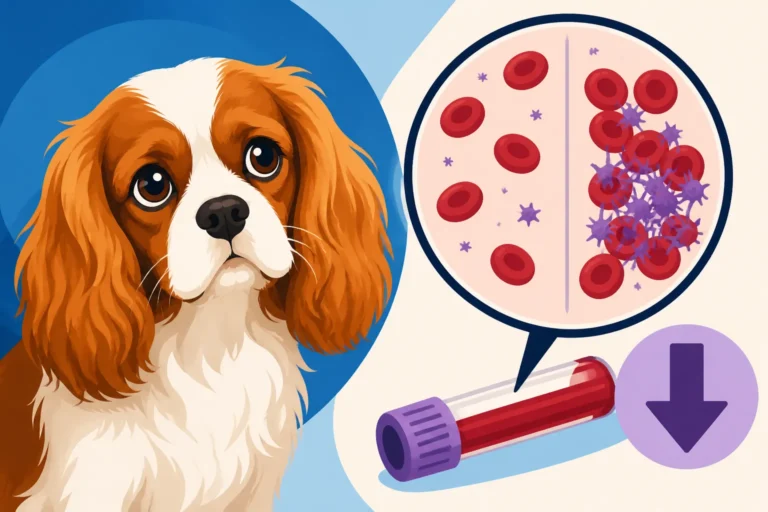
Diuretics, while life-saving, can have significant impacts on your Cavalier's body, particularly their kidneys and electrolyte balance. Because they increase urine production, they can lead to dehydration if water intake isn't sufficient or if the dose is too high. Dehydration, in turn, can stress the kidneys, potentially leading to acute kidney injury.
Therefore, regular blood tests are absolutely non-negotiable for any Cavalier on diuretics. Your vet will want to monitor:
- Kidney values: Specifically, BUN (Blood Urea Nitrogen) and creatinine, which indicate how well the kidneys are functioning. Elevated levels suggest kidney strain.
- Electrolytes: Sodium, potassium, and chloride levels are crucial. As mentioned, furosemide can cause potassium loss, while spironolactone helps to preserve it. Imbalances in any of these can lead to weakness, abnormal heart rhythms, and other serious issues.
The frequency of these blood tests will depend on your Cavalier's condition and how long they've been on diuretics. Initially, tests might be frequent (e.g., weekly or bi-weekly), becoming less frequent (e.g., every 3-6 months) once a stable dose is achieved. These monitoring costs are part of long-term care, and it's worth noting that pet insurance plans like those from Healthy Paws can be a real lifeline for managing these ongoing expenses, especially if your policy was in place before the heart condition became pre-existing.
Recognizing and Managing Side Effects
Even at appropriate doses, diuretics can cause side effects. It's important to be aware of these so you can report them to your vet promptly:
- Increased Thirst and Urination: This is the intended effect, but it can be excessive. Ensure your Cavalier always has access to fresh water. If they seem insatiably thirsty or are having accidents in the house more frequently, mention it.
- Dehydration: Signs include lethargy, sunken eyes, dry gums, and decreased skin elasticity (the "skin tent" test). Severe dehydration requires immediate veterinary attention.
- Electrolyte Imbalances: These can manifest as muscle weakness, lethargy, confusion, or even seizures. If your Cavalier seems unusually weak or disoriented, contact your vet.
- Kidney Dysfunction: Signs might overlap with dehydration and electrolyte imbalances, but also include decreased appetite, vomiting, or changes in urine color/volume (beyond just increased volume).
- Gastrointestinal Upset: Some dogs might experience mild nausea or decreased appetite.
If you observe any of these signs, don't hesitate to call your vet. They might need to adjust the dosage, switch to a different diuretic, or add other supportive medications. It's a journey of careful observation and collaboration with your veterinary team to ensure your Cavalier remains as comfortable and healthy as possible.
Living with a Cavalier on Diuretics: Management and Quality of Life
Having a Cavalier with heart failure on diuretics changes daily life, but with careful management, you can still provide a good quality of life for your beloved companion. It’s all about vigilance, consistency, and a deep understanding of their needs.
Home Monitoring: Resting Respiratory Rate and Appetite
Your role as a caregiver becomes even more critical once your Cavalier starts diuretics. The single most important thing you can consistently monitor at home is their resting respiratory rate (RRR). This is how many breaths they take per minute while completely at rest or asleep. A normal RRR for a Cavalier is typically between 15-30 breaths per minute. An elevated or increasing RRR is often the first sign that fluid might be reaccumulating in their lungs, and it warrants an immediate call to your vet. Regularly Counting a Cavalier's Resting Breaths can empower you to detect subtle changes before they become emergencies. Keep a log of these rates; it’s invaluable data for your vet.
Beyond breathing, pay close attention to their:
- Appetite and water intake: Are they eating normally? Are they drinking excessively or less than usual?
- Energy levels: Are they still able to enjoy short walks or playtime, or are they A Cavalier That Tires on Short Walks more than usual?
- Coughing: Is the cough present? Has it changed in frequency or character?
- Overall demeanor: Are they happy and bright, or withdrawn and lethargic?
These daily observations, coupled with regular vet check-ups, form the backbone of managing your Cavalier's heart condition and ensuring the diuretics are working effectively.
The Importance of a Low-Sodium Diet
Diet plays a surprisingly significant role in managing heart disease, especially when diuretics are in the picture. Sodium (salt) encourages the body to retain water, which is precisely what you're trying to prevent with diuretics. Therefore, a low-sodium diet is highly recommended, and often essential, for Cavaliers in heart failure.
Your vet will likely recommend a prescription cardiac diet, which is specifically formulated to be low in sodium while still providing all the necessary nutrients. These diets are carefully balanced to support heart health and kidney function. If a prescription diet isn't feasible, your vet can provide guidance on commercial foods that are lower in sodium, or even help you prepare homemade meals that meet the criteria. For more detailed information on this, check out our guide on Low-Sodium Feeding for a Cavalier Heart Patient.
It’s not just about the kibble, though! You'll need to be mindful of treats and human foods too. Many common treats are surprisingly high in sodium. Opt for low-sodium treats or discuss safe, low-salt options with your vet. Avoid giving any table scraps, as these can easily derail the dietary management plan. Consistency in a low-sodium diet can help reduce the amount of diuretic needed and improve your Cavalier's overall well-being.
When to Contact Your Vet Immediately
While diuretics are powerful tools, managing a Cavalier in heart failure is a delicate dance. There are specific signs that indicate a potential crisis or a significant change in their condition, requiring immediate veterinary attention:
- Sudden onset or worsening of a cough.
- Rapidly increasing resting respiratory rate (e.g., above 35-40 breaths per minute at rest). This is often the most critical indicator.
- Extreme difficulty breathing, gasping, or blue/purple gums (cyanosis). This is an emergency and your Cavalier needs to see a vet immediately.
- Collapse or severe weakness.
- Persistent vomiting or diarrhea.
- Not eating or drinking for an extended period.
- Sudden swelling in the abdomen or legs.
- Any signs of severe dehydration, such as extremely sunken eyes or lethargy.
Don't wait if you notice any of these alarming symptoms. It's always better to err on the side of caution and have your Cavalier checked by a vet. Early intervention can make a significant difference in outcomes. Remember, organizations like Healthy Paws can help manage the financial stress of emergency visits and ongoing treatments, allowing you to focus on your Cavalier's health without undue worry. A good pet insurance policy can cover a substantial portion of these unexpected and often expensive treatments, making long-term management more feasible for many families. Regular check-ups with your general vet and periodic visits to a veterinary cardiologist for an Annual Cardiologist Exams for a Cavalier are also key parts of proactive management.
Disclaimer
The information provided in this guide is for informational purposes only and does not constitute veterinary medical advice. Always consult with a qualified veterinarian or veterinary cardiologist for any health concerns or before making any decisions about your Cavalier King Charles Spaniel's medical care or treatment.