Whether Heart Supplements Help a Cavalier
It's absolutely heartbreaking when you receive news about your beloved Cavalier King Charles Spaniel's heart, especially with Mitral Valve Disease (MVD) being so prevalent in the breed. As their devoted parent, your first instinct is often to explore every single avenue to help them, to find anything that might slow the progression or simply make them more comfortable. This guide is here to cut through the noise and confusion, offering a realistic look at whether heart supplements genuinely offer a lifeline for your Cavalier.
Understanding the Landscape of Cavalier Heart Health
When it comes to our Cavaliers, their charming, affectionate nature often masks a significant health vulnerability: their hearts. Mitral Valve Disease is, tragically, almost synonymous with the breed, affecting an alarming number of Cavaliers as they age. This reality often sends owners on a quest for answers, and heart supplements frequently pop up as a potential solution.
The Mechanics of Mitral Valve Disease in Cavaliers
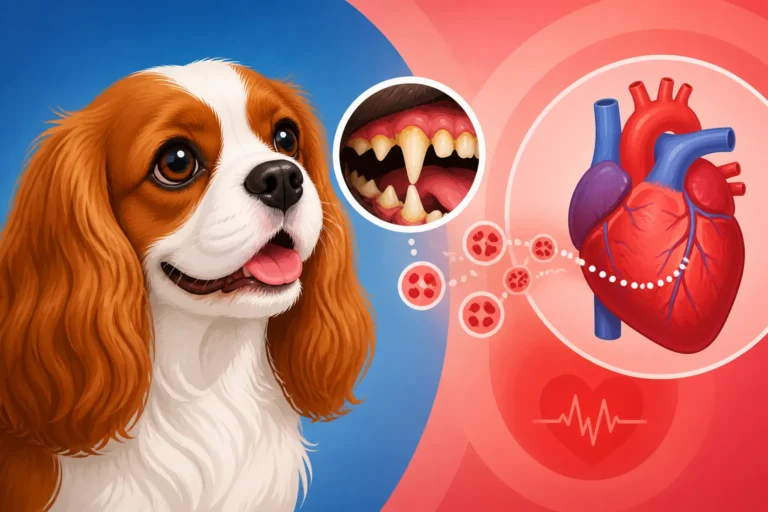
Mitral Valve Disease (MVD) is a progressive condition where the mitral valve, located on the left side of the heart, gradually thickens and degenerates. Instead of closing tightly, it becomes leaky, allowing blood to flow backward into the left atrium with each heartbeat. This creates extra work for the heart, leading to enlargement, increased pressure in the lungs, and eventually, congestive heart failure. It's a mechanical problem, meaning the valve itself is physically failing. You can learn more about this specific condition in depth by reading our guide on Mitral Valve Disease in the Cavalier King Charles Spaniel.
The onset of a heart murmur, often the first sign, can be subtle. Many Cavaliers develop a murmur by the age of five, and by ten, a significant majority will have one. This is why The Age a Cavalier Murmur Usually Appears is such a critical piece of information for Cavalier owners. The murmur itself isn't the disease; it's the sound of the turbulent blood flow caused by the leaky valve. As the disease progresses, the heart remodels, trying to compensate, but this compensation can only last so long.
The Allure and Appeal of "Natural" Heart Support
It's completely understandable why many Cavalier owners, myself included, look to supplements. The idea of a natural, gentle way to support our dog's heart, perhaps even before traditional medications are needed, is incredibly appealing. We want to be proactive, to feel like we're doing everything we possibly can. The internet is awash with testimonials and marketing claims for various "heart health" blends, often featuring ingredients that sound beneficial. This desire to help, coupled with the often daunting prognosis of MVD, can make these supplements seem like a beacon of hope. We're naturally inclined to seek out ways to prevent or mitigate disease, especially when faced with the fact that heart disease is What Most Cavaliers Are Lost To.
However, the world of pet supplements is largely unregulated, meaning that claims can be made without rigorous scientific proof. This creates a challenging landscape for concerned owners trying to make informed decisions for their beloved pets.
Unpacking What Science Says About Common Heart Supplements
When we talk about heart supplements, it's crucial to distinguish between anecdotal evidence and scientifically validated research. For a condition as serious and progressive as Cavalier MVD, we need interventions that have a proven impact on the disease's progression or the dog's quality of life.
CoQ10 and L-Carnitine: Potential, but Limited Evidence
These two compounds often appear in heart supplement formulations, and for good reason—in humans, they play roles in cellular energy production and muscle function, including the heart muscle.
- Coenzyme Q10 (CoQ10): This is an antioxidant that's essential for energy production within cells. The theory is that by supporting mitochondrial function, it could help the heart muscle work more efficiently. Some small studies and theoretical benefits exist, but there's currently no strong, large-scale veterinary evidence to show that CoQ10 supplementation significantly slows the progression of MVD or improves outcomes in Cavaliers with heart disease. It might contribute to general cellular health, but it's not a direct treatment for a leaky valve.
- L-Carnitine: This amino acid derivative is crucial for transporting fatty acids into mitochondria to be burned for energy. Again, the theoretical benefit is to support heart muscle energy. While L-carnitine deficiencies can lead to dilated cardiomyopathy in some breeds, Cavaliers typically suffer from MVD, which is a different disease process. There is no robust scientific evidence indicating that L-carnitine supplementation provides significant therapeutic benefits for Cavaliers specifically struggling with MVD.
It's important to remember that these are not replacements for prescribed veterinary medication. When a Cavalier's heart begins to enlarge, medications like Pimobendan for a Cavalier With an Enlarged Heart are prescribed based on extensive clinical trials showing clear benefits in delaying the onset of clinical signs.
Omega-3 Fatty Acids (Fish Oil): General Health Benefits, Not a MVD Cure
Omega-3 fatty acids, particularly EPA and DHA found in fish oil, are widely recommended for overall pet health, and they do offer some cardiac benefits.
- Anti-inflammatory Properties: Omega-3s are known for their anti-inflammatory effects. Inflammation can play a role in various diseases, and reducing systemic inflammation can be broadly beneficial.
- Support for Cachexia: In later stages of heart failure, some dogs experience cardiac cachexia (muscle wasting). Omega-3s, along with appropriate caloric intake, can sometimes help mitigate this.
- Arrhythmia Reduction: Some research suggests Omega-3s might help stabilize heart rhythm in certain cardiac conditions.
However, while Omega-3s are excellent for general health, joint health, and skin and coat, they are not a specific treatment for MVD itself. They will not repair the damaged mitral valve or stop it from degenerating. Think of them as a good addition to a healthy lifestyle, supporting the body's overall function, but not as a targeted therapy for the mechanical problem of a leaky valve. When considering a comprehensive health plan for your Cavalier, understanding these distinctions is key. Pet insurance providers like Healthy Paws often emphasize preventative care, which includes good nutrition that might incorporate supplements like fish oil for general well-being, though they typically don't cover the cost of supplements themselves unless prescribed for a specific condition.
Herbal Remedies and "Natural" Cures: Proceed with Extreme Caution
The realm of herbal remedies and other "natural" cures for heart disease can be particularly tricky. While some plant-based compounds have medicinal properties, many popular products lack scientific validation for their efficacy and safety in dogs, especially those with complex conditions like MVD.
- Lack of Regulation: Unlike prescription medications, herbal supplements are not subject to the same rigorous testing and approval processes. This means there can be inconsistencies in dosage, purity, and even the ingredients themselves.
- Unknown Interactions: Many herbal compounds can interact with conventional medications, either enhancing or diminishing their effects, or even causing harmful side effects. If your Cavalier is already on medication for heart disease, adding an unregulated herbal supplement could be dangerous. For instance, diuretics are commonly prescribed for Cavaliers in heart failure, and certain herbs could interfere with their action. Diuretics for a Cavalier in Heart Failure are powerful drugs that need to be carefully managed.
- Delayed Proper Treatment: Relying solely on unproven supplements can delay the initiation of effective, evidence-based veterinary treatment, which could have serious consequences for a progressive disease like MVD.
Your veterinarian or a board-certified veterinary cardiologist is the best source of information regarding any supplements for your Cavalier. They can assess the potential risks and benefits based on your dog's specific condition and current medications.
Prioritizing Proven Veterinary Care for Your Cavalier's Heart
While the search for supplemental support is understandable, it's absolutely vital to keep proven veterinary care at the forefront of your Cavalier's heart health management. There's no substitute for the expertise of a professional and the efficacy of medications backed by extensive research.
The Unwavering Importance of Regular Cardiologist Exams
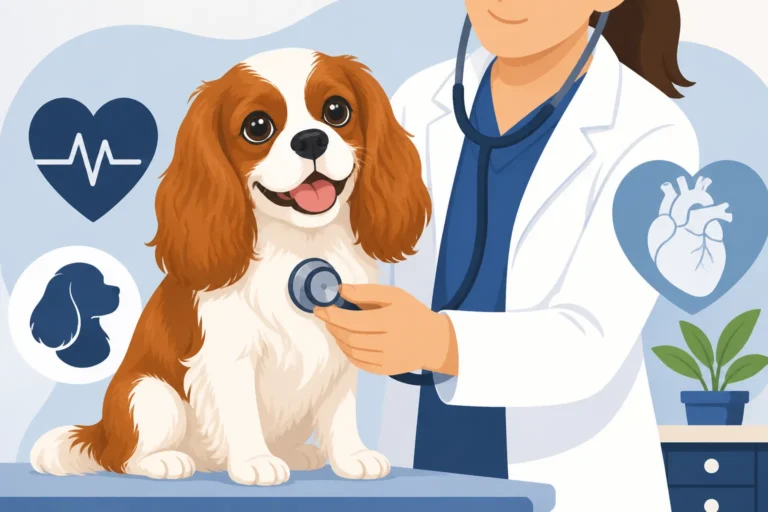
I cannot stress this enough: if your Cavalier has been diagnosed with a heart murmur, especially if it's graded higher than a 1 or 2, regular check-ups with a veterinary cardiologist are non-negotiable. These specialists have the advanced training and equipment to accurately assess your dog's heart health.
- Echocardiograms (Echo Scans): These ultrasound scans are the gold standard for diagnosing MVD and monitoring its progression. They allow the cardiologist to visualize the heart in real-time, measure its chambers, assess valve function, and detect fluid buildup. A normal chest X-ray just isn't enough to understand the full picture, though it's still part of the workup to check for fluid in the lungs. To understand what these scans show, you might find our article on What a Cavalier Echocardiogram Shows really helpful.
- Early Detection and Staging: Regular exams allow your cardiologist to accurately stage your Cavalier's heart disease. This staging (Stages A, B1, B2, C, D) is crucial because it dictates when to start medication. For instance, starting Pimobendan in Stage B2, before clinical signs appear, has been proven to significantly delay the onset of heart failure. Our guide on How Cavalier Heart Disease Progresses Stage by Stage can give you more insight into this.
- Personalized Treatment Plans: Every Cavalier is different. A cardiologist can tailor a treatment plan based on your dog's specific needs, the severity of their disease, and their response to medication. This individualized approach is something no generic supplement can offer.
The annual cardiac screening for Cavaliers is a key recommendation by breed clubs and cardiologists alike, precisely because early intervention can make such a profound difference in lifespan and quality of life.
Here's a quick overview of common heart supplements and their current standing regarding MVD in Cavaliers:
| Supplement | Purported Benefits (General) | Scientific Evidence for Cavalier MVD | Important Considerations |
|---|---|---|---|
| Coenzyme Q10 (CoQ10) | Antioxidant, cellular energy support | Limited to no strong evidence | May offer general antioxidant support, but not a direct treatment for valve degeneration. |
| L-Carnitine | Supports heart muscle energy | Limited to no strong evidence | No proven benefit for MVD progression; often useful for specific deficiencies only. |
| Omega-3 Fatty Acids | Anti-inflammatory, general heart health | General health benefits | Good for overall well-being, but will not repair or reverse MVD. |
| Taurine | Heart muscle function support | Limited to no strong evidence | Primarily relevant for certain forms of Dilated Cardiomyopathy (DCM), not MVD. |
| Hawthorne Berry | Cardiotonic, vasodilation | Limited to no strong evidence | Unregulated, potential interactions with prescription medications. |
When Medications Truly Make a Difference
For Cavalier MVD, there are specific medications that have undergone extensive clinical trials and are proven to extend life and improve quality of life. These are the cornerstones of MVD management, not supplements.
- Pimobendan (Vetmedin): This medication is a game-changer. It works in two ways: it increases the heart's pumping efficiency and dilates blood vessels, reducing the workload on the heart. Studies have unequivocally shown that starting Pimobendan in Stage B2 (when the heart is enlarged but no clinical signs are present) significantly delays the onset of heart failure and extends survival. There's a reason why veterinarians are often eager to get a Cavalier on this medication at the appropriate stage; it's because it works. You can delve into Starting Heart Medication Before a Cavalier Coughs to understand the benefits of early intervention.
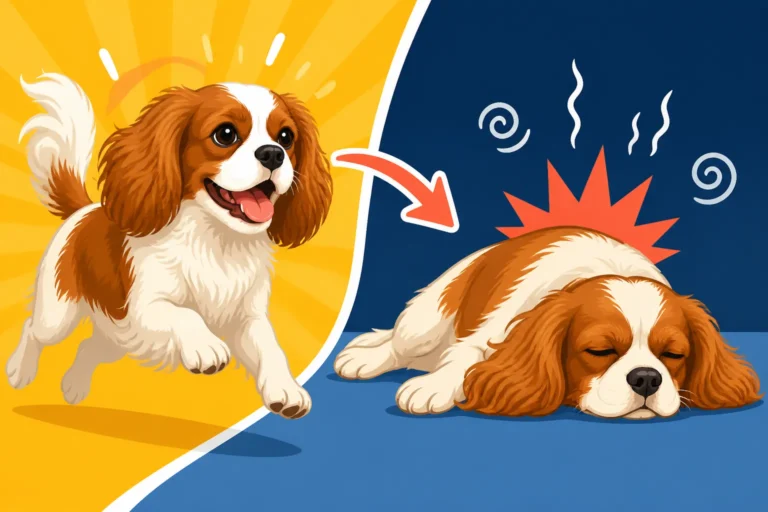
- Diuretics (e.g., Furosemide): When heart failure progresses and fluid starts to build up in the lungs (pulmonary edema), diuretics are essential. They help the body shed excess fluid, relieving breathing difficulties and reducing pressure in the lungs. This is often the point where your Cavalier might start Coughing at Night in a Cavalier or tire easily on walks.
- ACE Inhibitors (e.g., Enalapril, Benazepril): These medications help relax blood vessels and reduce the heart's workload, further slowing the progression of heart remodeling.
These medications are powerful, and their dosages need to be carefully monitored by your vet. While it's natural to seek holistic alternatives, these prescribed drugs have a tangible, life-extending impact that supplements simply cannot replicate for MVD.
A Holistic Approach and Lifestyle Factors That Truly Help
Beyond specific medications, a holistic approach that focuses on your Cavalier's overall well-being and managing lifestyle factors can significantly complement their medical treatment. These aren't "cures," but they contribute immensely to their comfort and longevity.
- Dietary Management: A low-sodium diet is incredibly important for Cavaliers with heart disease, especially as they progress to heart failure. Reducing sodium helps prevent fluid retention, which lessens the burden on the heart. Your vet might recommend prescription cardiac diets that are carefully formulated for this purpose. Even for dogs not yet on a prescription diet, being mindful of Salt Levels a Cavalier Heart Patient Should Avoid in treats and human food is crucial.
- Weight Management: Keeping your Cavalier at a lean, healthy weight is one of the best things you can do for their heart. Every extra pound means more work for an already struggling heart. Regular, gentle exercise and careful portion control are key. Our article on Why an Overweight Cavalier Fails Faster really highlights this critical point.
- Controlled Exercise: While a Cavalier with MVD shouldn't be overexerted, appropriate, consistent exercise is beneficial. Short, frequent walks rather than strenuous runs are usually recommended. Always consult your vet about the appropriate level of activity for your dog, especially if they are starting to show signs of tiring on A Cavalier That Tires on Short Walks.
- Stress Reduction: Keeping your Cavalier's environment calm and predictable can also contribute to their overall health. Stress can elevate heart rate and blood pressure, which is undesirable for a dog with MVD.
- Monitoring Resting Respiratory Rate: Learning to count your Cavalier's resting breaths is a simple yet powerful tool for monitoring their heart health at home. An increase can be an early indicator of fluid in the lungs, prompting a necessary vet visit. Check out Counting a Cavalier's Resting Breaths for instructions.
Think of these lifestyle factors as building a strong foundation, allowing the prescribed medications to work as effectively as possible. While pet insurance plans like Healthy Paws often don't cover general dietary foods, they do provide crucial financial support for the diagnostic tests, medications, and emergency care that a Cavalier with MVD will almost certainly need, offering peace of mind to focus on these holistic care aspects without constant financial worry.
The love and attention you give your Cavalier, combined with diligent veterinary care and smart lifestyle choices, truly form the most powerful "supplement" there is. Don't be swayed by unproven claims; instead, empower yourself with knowledge and work closely with your veterinary team.
Disclaimer
This article is for general informational purposes only and does not constitute professional advice. Laws, prices and regulations vary by location and change over time. Consult a qualified professional for guidance on your specific situation.