Why Cavalier Breeders Wait Until Five to Breed
One of the most heartbreaking realities for Cavalier King Charles Spaniel owners is the prevalence of inherited health conditions that can drastically shorten their sweet pups' lives. It's a heavy burden, knowing our beloved companions are prone to issues like devastating heart disease and neurological problems. That's why understanding the dedication of truly responsible breeders, particularly their commitment to waiting until their Cavaliers are at least five years old before breeding them, is absolutely paramount to bringing healthier puppies into the world. This guide will walk you through the critical reasons behind this seemingly long wait, and what it means for the future health of these cherished dogs.
The Crushing Burden of Mitral Valve Disease in Cavaliers
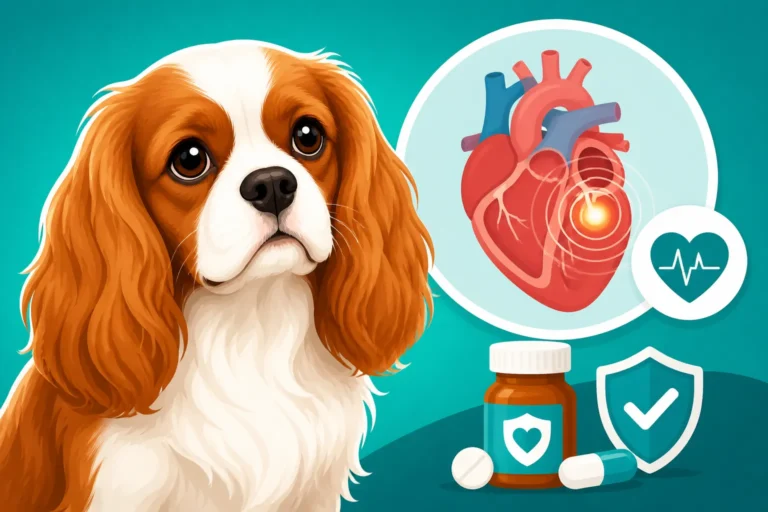
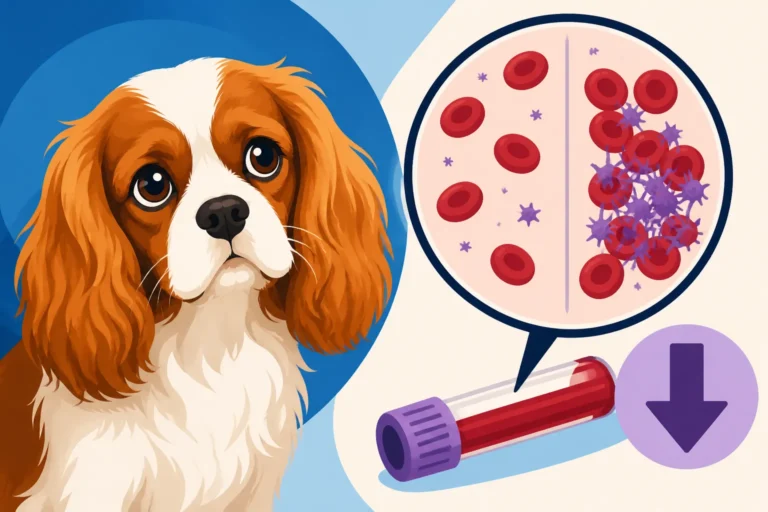
Let's face it, when you hear "Cavalier King Charles Spaniel," one of the first things that often comes to mind, sadly, is heart disease. Mitral Valve Disease (MVD) isn't just common in our Cavaliers; it's practically endemic. It's the leading cause of death for the breed, and it's a silent, progressive killer that starts long before symptoms ever show.
The Early Onset Problem in Mitral Valve Disease
Most dogs, even larger breeds, might develop heart murmurs and MVD later in life, well into their senior years. But with Cavaliers, it's a different story altogether. It's not uncommon for a Cavalier to develop a heart murmur by the time they're just three or four years old. In fact, studies show that roughly half of Cavaliers have a murmur by five, which is an alarmingly young age. This early onset means that without careful breeding, the disease is passed down through generations, perpetuating this devastating cycle. Imagine bringing home a vibrant puppy, only to be told before its fifth birthday that its heart is already failing. It's a gut-wrenching experience that too many Cavalier families endure.
The progression of How Cavalier Heart Disease Progresses Stage by Stage can be slow, but it's relentless. The mitral valve, which separates the left atrium and ventricle, gradually thickens and degenerates, failing to close properly. This allows blood to leak back into the atrium, causing the heart to work harder, eventually leading to enlargement and congestive heart failure. Knowing this genetic predisposition, and seeing it manifest so early, is why discerning breeders take such stringent measures to try and push back the onset of this disease.
Why Five Years? Adhering to the MVD Breeding Protocol
The reason for waiting until five years old to breed is directly tied to this early onset MVD. Reputable Cavalier breeders follow a strict guideline known as the MVD Breeding Protocol. This protocol stipulates that breeding dogs should be at least 2.5 years old before their first breeding, and critically, should not have any signs of MVD (specifically, a heart murmur) at five years of age or older. Why five? Because by this age, a significant percentage of Cavaliers who carry the genes for early-onset MVD will have developed a detectable murmur.
If a Cavalier is bred before five years old, even if they have a "clear" heart check at age two or three, there's a much higher chance they could still carry the genes for early-onset MVD and pass them onto their puppies. A breeder who waits until their dogs are five and still clear of a murmur is effectively stacking the deck in favor of producing puppies with a much lower risk of developing MVD early in life. This isn't about guaranteeing no MVD ever, but about delaying its onset, potentially adding years of healthy life to their offspring. This commitment significantly impacts the Cavalier Lifespan and What Cuts It Short, giving families more cherished time with their beloved pets.
What Annual Cardiologist Exams Reveal
It's not enough for a general vet to listen to a Cavalier's heart with a stethoscope and declare it "clear." While a stethoscope can detect a murmur, it can't tell you the severity or the underlying cause. For Cavaliers, annual visits to a board-certified veterinary cardiologist are absolutely essential. These specialists perform comprehensive examinations, including echocardiograms, which are ultrasound scans of the heart. These scans allow them to visualize the heart's structure, valve function, and blood flow in real-time.
An echocardiogram can detect subtle changes in the mitral valve or heart chamber size that might precede an audible murmur. A truly responsible breeder will have their breeding dogs undergo these specialist Annual Cardiologist Exams for a Cavalier every single year. They'll show you the official reports, signed by the cardiologist, confirming that their breeding dogs are MVD-clear at five years old, or even older. This level of transparency and professional evaluation is what sets exceptional breeders apart and offers the best chance for healthier puppies. Without these rigorous checks, a breeder simply cannot know the true heart health of their dogs, regardless of age.
Beyond the Heart: Other Critical Health Concerns in Cavaliers
While MVD often dominates the conversation around Cavalier health, these wonderful dogs are unfortunately predisposed to several other significant inherited conditions. Responsible breeders waiting until five years old aren't just thinking about the heart; they're considering the full spectrum of health issues that can impact a Cavalier's quality of life.
Syringomyelia and Chiari Malformation
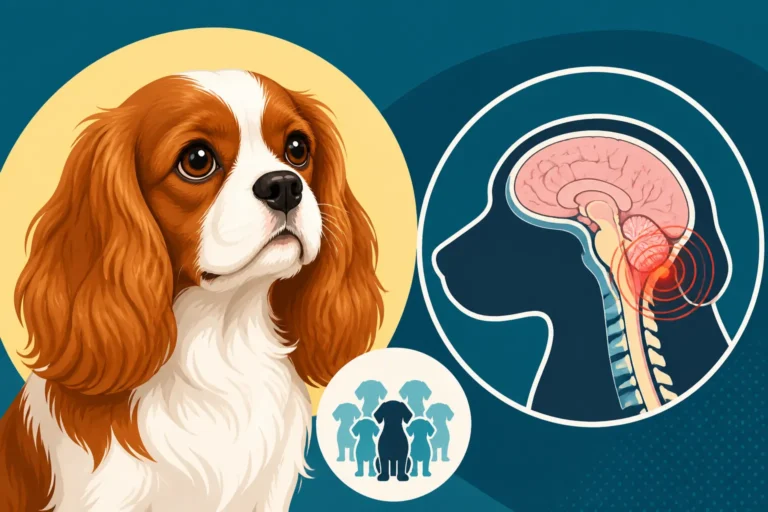
Syringomyelia (SM) and Chiari-like Malformation (CM) are devastating neurological conditions that are alarmingly common in Cavaliers. CM is a structural defect in the skull where the back of the brain (the cerebellum) is too large for the skull's cavity, pushing through the opening to the spinal cord. This can disrupt the flow of cerebrospinal fluid, leading to the formation of fluid-filled cysts (syrinxes) within the spinal cord, which is SM. This can cause chronic, severe pain, phantom scratching, balance issues, and sometimes even paralysis. Learning about Syringomyelia and Chiari Malformation in Cavaliers is crucial for any prospective owner.
While CM is present from birth, the syrinxes can develop and worsen over time, with clinical signs often appearing between six months and six years of age. By waiting until five years of age to breed, a breeder has a better chance of observing any clinical signs of SM in their breeding stock, and critically, can have their dogs undergo MRI scans. Getting a Cavalier Scanned for Syringomyelia is the only definitive way to diagnose these conditions. Waiting until breeding dogs are older allows for multiple MRI scans over time, providing a more complete picture of their neurological health and reducing the risk of passing on these painful conditions to future generations.
Eye and Joint Health Considerations
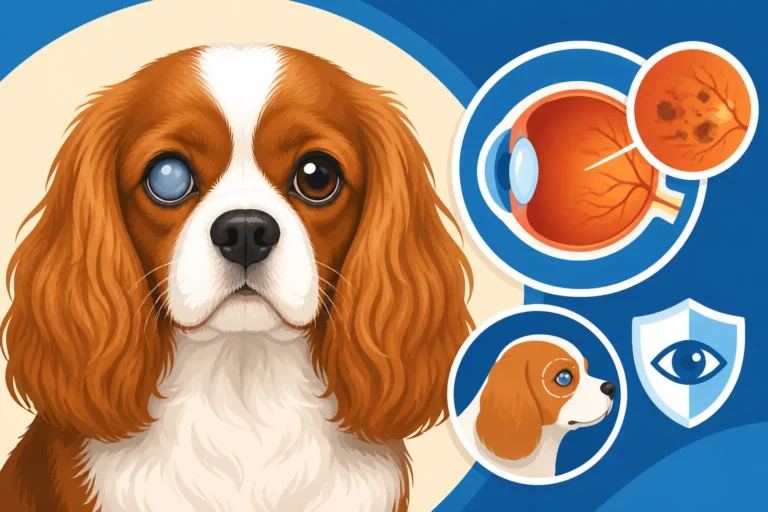
Beyond the heart and brain, Cavaliers are also prone to certain eye and joint conditions that can significantly impact their well-being. Eye issues such as Dry Eye Syndrome, cataracts, and retinal dysplasia can emerge or progress with age. For instance, Cavalier Eye Disease From Dry Eye to Cataracts can range from manageable discomfort to severe vision impairment. While some eye conditions are present from puppyhood, others may not be fully evident until a dog is an adult. Regular eye examinations by a board-certified veterinary ophthalmologist can help identify these issues, and again, waiting until a dog is mature allows for a more thorough assessment of their eye health over a longer period.
Similarly, joint problems, including patellar luxation (loose kneecaps) and hip dysplasia, can also be present in Cavaliers. While these are often screened for at a younger age (usually around two years old), monitoring a dog's joint health and mobility up to five years of age provides additional assurance. Conditions can sometimes progress or become more apparent with age and activity. For example, some dogs might have mild patellar luxation that doesn't cause issues until later, or hip dysplasia might worsen over time. Ensuring that breeding dogs are free of these conditions later in life helps to reduce the incidence of Cavalier Knees, Hips and Joint Problems in their offspring, contributing to a better quality of life for puppies.
The Ethical Imperative of Responsible Breeding
At its core, waiting until five years old to breed a Cavalier is a testament to ethical and responsible breeding practices. It's about prioritizing the long-term health and well-being of the breed over quick profits or convenience. This commitment directly influences the future health trajectory of the puppies they produce.
The Long-Term Impact on Cavalier Lifespan
When breeders adhere to rigorous health testing and the MVD Breeding Protocol, they aren't just trying to avoid sick puppies; they are actively working to increase the average Cavalier Lifespan and What Cuts It Short. By carefully selecting breeding pairs free of early-onset MVD and significant SM at an older age, they are slowly, incrementally shifting the genetic landscape of the breed towards greater longevity and vitality. It's a monumental task, but the payoff is immense: more years of wagging tails, happy companionship, and fewer devastating diagnoses for families.
Imagine a world where Cavaliers routinely live well into their teens without the crushing burden of heart failure or chronic neurological pain in their prime years. This is the goal of ethical breeding. It’s not about finding a "perfect" dog, but about identifying dogs that are least likely to pass on genes for these debilitating conditions at an early age. This long-term vision requires patience, significant financial investment in health testing, and a deep, unwavering love for the breed.
Why "Early Clearances" Aren't Enough
You might encounter breeders who claim their dogs have "heart clearances" at a younger age, say at two or three years old. While it's great that they're doing some testing, it's crucial to understand that these "early clearances" are simply not enough for Cavaliers given the breed's specific health challenges. A two-year-old Cavalier might have a perfectly clear heart, but there's a substantial probability that MVD will manifest between ages three and five, after they've already been bred multiple times. The genes for early-onset MVD could still be present and passed down.
This is where the distinction between a "clear" dog and a "clear at five years of age" dog becomes critically important. A breeder who truly understands the MVD protocol will emphasize the five-year milestone. Don't be swayed by vague claims or "vet checks" from general practitioners; always ask for detailed, official certifications from board-certified specialists, including dates and the age of the dog at the time of the exam. If a breeder is breeding a Cavalier younger than five, they are taking an unacceptable risk with the health of their puppies, no matter how "healthy" the young parent appears.
Understanding Health Guarantees and Insurance
Responsible breeders often back up their commitment to health with comprehensive health guarantees. These guarantees typically cover inherited conditions like MVD and SM for a certain period, offering peace of mind, though nothing can truly replace a healthy dog. They understand the financial and emotional toll these conditions can take. This is also where pet insurance becomes invaluable. While a good breeder minimizes risk, no one can guarantee perfect health.
Having a robust pet insurance policy, especially from a company like Healthy Paws, in place before any symptoms arise can be a lifesaver. Policies typically exclude pre-existing conditions, so insuring your Cavalier puppy when they're young and healthy is critical. Should your Cavalier develop MVD, even with the best breeding, the costs associated with ongoing cardiology visits, echocardiograms, and daily medications like Pimobendan or diuretics can quickly add up. Companies like Healthy Paws can help manage these unexpected but often inevitable costs, allowing you to focus on your dog's care rather than the veterinary bills. This proactive approach, both from breeders and owners, creates the strongest safety net for these wonderful dogs.
What a Prospective Owner Should Look For
As a prospective Cavalier owner, you hold significant power in demanding healthier puppies. Your choices directly influence breeding practices. Knowing what to look for and what questions to ask can mean the difference between years of joy and years of heartache.
Asking for Proof: Cavalier Heart and MRI Papers to Ask For
This is where you need to become a detective. Don't just take a breeder's word for it when they say their dogs are healthy. Ask for documented proof. For heart health, you need to see current, signed OFA (Orthopedic Foundation for Animals) or equivalent specialist cardiology certificates for both parent dogs. Crucially, these certificates must state the dogs were examined by a board-certified veterinary cardiologist and were found clear of a heart murmur at five years of age or older. If the certificates are older than a year, or the dog was younger than five at the time of the last clear exam, then the clearances aren't current or complete enough for the MVD protocol. This is part of The Heart Testing a Cavalier Breeder Must Do for responsible breeding.
For neurological health, especially related to Syringomyelia, ask to see MRI reports and evaluations, preferably from a veterinary neurologist, indicating that the parent dogs are clear or low-grade for SM, and again, ideally, at a mature age. While not all breeding dogs will have undergone an MRI (due to cost and availability), a truly conscientious breeder will have at least some of their lines scanned and understand the genetic implications. A responsible breeder will be transparent and proud to show you all their health clearances, explaining what they mean and why they follow these stringent protocols. Anything less should be a red flag.
The Importance of a Health-Testing Breeder
Choosing a breeder who adheres to these rigorous health-testing protocols, including the five-year breeding age for MVD, might mean paying a higher upfront price for your puppy. It also often means a longer wait for a puppy from a reputable litter. However, this initial investment is minuscule compared to the potential costs – both financial and emotional – of caring for a Cavalier with severe inherited health issues. The bills for managing chronic heart failure, including specialized diets, ongoing medications, and emergency vet visits, can run into thousands of dollars annually. When you factor in the peace of mind and the extended healthy life you're potentially giving your companion, the choice becomes clear.
A health-testing breeder isn't just selling you a puppy; they're offering you the best possible chance at a healthy, long-lived family member. They invest their time, money, and heart into improving the breed, rather than simply producing puppies for profit. They understand that proper breeding, including waiting until five to breed, is a critical step in reducing the prevalence of these heartbreaking conditions. They will also be transparent about the potential for future health issues, even with the best practices, and often recommend pet insurance from providers like Healthy Paws to help new owners prepare for any unforeseen medical needs.
The Wider Community's Role
The health of the Cavalier King Charles Spaniel breed isn't solely in the hands of individual breeders, though they play the most direct role. It's a collective effort involving breed clubs, veterinary specialists, and informed owners. Organizations like the Cavalier King Charles Spaniel Club, USA (CKCSC, USA) have historically championed stricter health protocols and guidelines to protect the breed. These clubs often maintain lists of recommended breeders who adhere to comprehensive health testing.
By understanding and supporting these protocols, you become part of the solution. When you choose a puppy from a breeder who has waited until five years old to breed their dogs and has obtained all necessary health clearances, you are reinforcing the demand for ethical practices. You are signaling to the breeding community that the health and longevity of these precious dogs matter more than instant gratification or cutting corners. This collective consciousness and commitment are what will ultimately secure a brighter, healthier future for generations of Cavaliers to come.
Breeding Age vs. Health Assessment for Cavaliers
Here's a quick comparison of why waiting until a Cavalier is five years old for breeding is so crucial compared to breeding them younger.
| Feature / Health Concern | Breeding Before 5 Years Old | Breeding At or After 5 Years Old |
|---|---|---|
| Mitral Valve Disease (MVD) | High risk of carrying and passing on genes for early-onset MVD, as murmurs often appear between ages 3-5. "Clear" at 2-3 years is unreliable. | Significantly reduced risk of early-onset MVD transmission. Dogs clear at 5+ years are much less likely to carry the most aggressive MVD genes. Provides much stronger evidence of healthy heart genetics. |
| Syringomyelia (SM) | Clinical signs and syrinx progression may not be fully evident. MRI at younger ages might not capture the full picture of the condition's development. | Allows for more thorough observation of clinical signs over time. Ideally, enables multiple MRI screenings to monitor syrinx progression, providing a more reliable assessment of neurological health status for breeding. |
| Eye Conditions | Some progressive eye diseases (e.g., certain cataracts, retinal issues) may not be fully apparent. Annual specialist exams may not have captured full progression. | More comprehensive assessment possible with several years of annual ophthalmologist examinations. Better chance to identify subtle or slowly progressing conditions before breeding. |
| Joint Conditions | While typically screened earlier, some mild issues (e.g., patellar luxation, hip dysplasia) can worsen or become more symptomatic with age and activity. | Longer period of observation and activity can reveal subtle joint issues that might have been missed in younger screenings. More reliable indicator of long-term joint health. |
| Genetic Predisposition | Higher likelihood of passing on hidden genetic predispositions for various conditions that manifest later in life. | Lower likelihood of passing on genetic predispositions for common, late-onset conditions, as the parent has "proven" their health for a longer duration. |
| Puppy Health Outcomes | Increased risk of puppies developing serious inherited health conditions at a young age, leading to significant veterinary costs and emotional distress for owners. | Dramatically improved odds of puppies enjoying a longer, healthier life, with a delayed onset (or complete absence) of many inherited conditions, reducing the burden on future owners. Provides greater peace of mind and reduces the likelihood of high veterinary bills for conditions like those from Mitral Valve Disease in the Cavalier King Charles Spaniel. |
| Breeder Reputation | May indicate a less experienced or less ethical breeder prioritizing quantity or convenience over health. | Identifies a highly responsible, ethical breeder deeply committed to the long-term health and welfare of the Cavalier King Charles Spaniel breed, demonstrating adherence to established health protocols. The breeder acts as a responsible steward of the breed, understanding the importance of proper What the Cavalier Heart Protocol Asks of Parents and its positive impact on the overall health of puppies. |
Disclaimer
The information provided in this guide is for general informational purposes only and does not constitute veterinary advice. Always consult with a qualified veterinarian or board-certified specialist for any health concerns or before making any decisions about your pet's health or breeding practices.