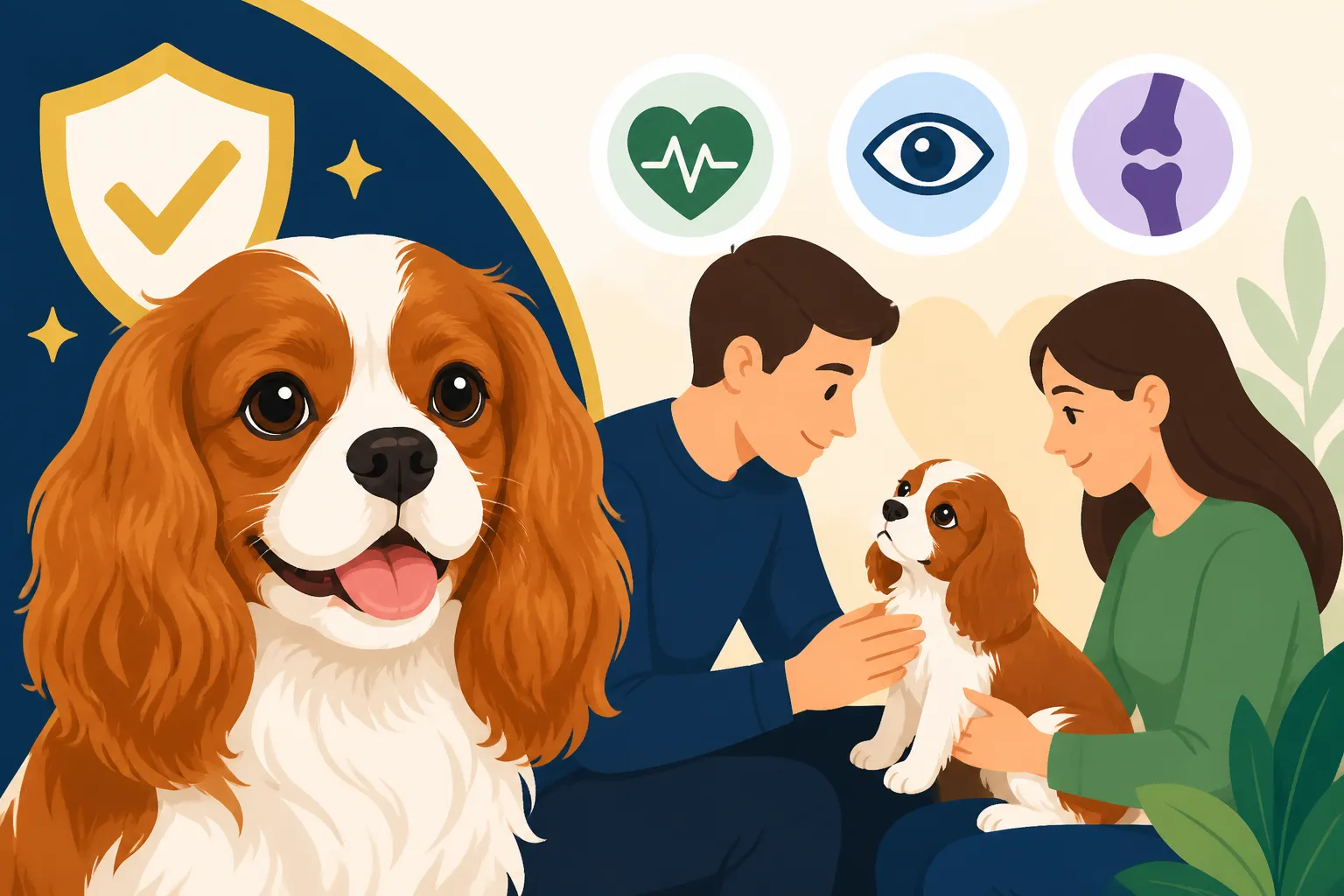
Buying a Cavalier From a Health-Testing Breeder
Bringing a Cavalier King Charles Spaniel into your life is an incredibly exciting prospect, but the journey to finding the right puppy can feel like navigating a minefield. With so many heartbreaking stories of expensive veterinary bills and genetically predisposed health issues, it’s easy to feel overwhelmed and unsure how to make the best choice. This comprehensive guide is here to cut through the confusion, helping you understand precisely what it means to buy a Cavalier from a health-testing breeder and why it’s the most responsible path for both you and your future companion.
Understanding the Cavalier's Unique Health Challenges
Before you even start looking at adorable puppy pictures, it's absolutely vital to grasp the health landscape of the Cavalier King Charles Spaniel. These sweet, loving dogs are, unfortunately, prone to several significant hereditary conditions that can lead to immense heartache and financial strain if not carefully managed through responsible breeding. Ignoring these realities is a disservice to the breed and to your potential future dog.
The Big Three: Heart, Brain, and Joints
When we talk about Cavalier health, three conditions tend to dominate the conversation: Mitral Valve Disease (MVD), Syringomyelia (SM), and Patellar Luxation. These aren't just minor ailments; they can drastically impact a Cavalier's quality of life and lifespan.
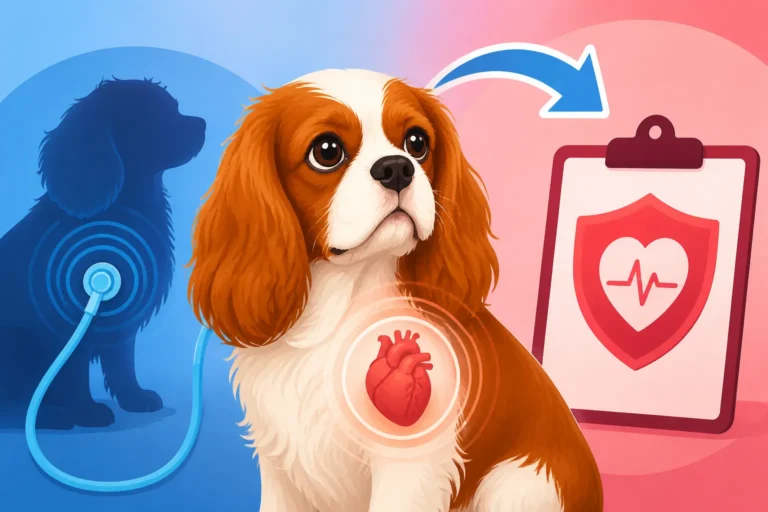
Mitral Valve Disease is, tragically, almost synonymous with the Cavalier. It's a progressive heart condition where the mitral valve in the heart degenerates, leading to a leaky valve, heart enlargement, and eventually heart failure. It’s estimated that a significant percentage of Cavaliers will develop a heart murmur by age five, and nearly all will by age ten. This isn't just a "murmur" – it's a ticking time bomb for many. A responsible breeder will rigorously follow protocols to delay the onset and severity of this disease in their lines, aiming for dogs that don't develop a murmur until at least five years of age. You can learn more about this devastating disease in depth by reading our article on Mitral Valve Disease in the Cavalier King Charles Spaniel.
Syringomyelia is another prevalent and often painful neurological condition that affects a staggering number of Cavaliers. It occurs when the Cavalier's skull is too small for its brain, leading to the compression of the brain stem and obstruction of cerebrospinal fluid flow. This can create fluid-filled cavities (syrinxes) within the spinal cord, causing chronic pain, phantom scratching (often described as "air scratching"), and severe neurological deficits. Many owners don't even realize their dog is suffering until symptoms are advanced. Understanding Syringomyelia and Chiari Malformation in Cavaliers is crucial for any prospective owner.
Then there are joint issues, particularly Patellar Luxation, or "loose kneecaps." This condition means the kneecap slips out of its groove, causing lameness, pain, and predisposing the dog to arthritis. While common in many small breeds, Cavaliers are particularly susceptible. Responsible breeders will screen for this, ensuring that parents have healthy knees to pass on to their puppies.
Why "Vet Checked" Isn't Enough
You'll often hear breeders, especially those who aren't health-focused, proudly proclaim their puppies are "vet checked." While a general veterinary check-up is certainly a good starting point and ensures the puppy is outwardly healthy at the time of sale, it is fundamentally inadequate for assessing the genetic predispositions of a Cavalier King Charles Spaniel. A standard vet check will look for obvious issues like fleas, ear infections, or congenital defects visible to the naked eye, and maybe listen for a present heart murmur, but it won't tell you anything about the future health risks that are inherited.
A regular vet doesn't have the specialized equipment or training to detect early signs of MVD via echocardiogram, or to diagnose Syringomyelia without an MRI scan. They certainly cannot assess the genetic health of the parents for diseases like Episodic Falling Syndrome or Dry Eye and Curly Coat Syndrome, which require specific DNA tests. To really understand the health commitment, you need to look for breeders who go beyond the basic "vet check" and invest in specialist clearances and genetic testing.
What "Health Testing" Truly Means for a Cavalier Breeder
When a breeder genuinely commits to health, it's a comprehensive and expensive endeavor that goes far beyond a simple vet visit. It involves specialized examinations performed by board-certified veterinary specialists, often on an annual basis, and genetic screening for specific conditions. This isn't just a formality; it's a foundational pillar of ethical Cavalier breeding.
Beyond the Basic Check-up: Specialist Clearances
For a Cavalier, "health testing" means a specific battery of tests designed to identify or rule out the most common and devastating hereditary conditions. These aren't tests done by the local vet; they're performed by specialists.
- Cardiac Clearances: This is paramount for Cavaliers. Breeding dogs should undergo annual cardiac examinations by a board-certified veterinary cardiologist. This exam isn't just listening with a stethoscope – it includes an echocardiogram, which is an ultrasound of the heart. The cardiologist measures heart chamber sizes, valve function, and blood flow, providing a detailed assessment of the heart's health. They are looking for early signs of Mitral Valve Disease. Breeders should not breed Cavaliers before specific ages (typically at least 2.5 years for first breeding, and ideally much older for MVD clearance) to ensure the disease hasn't manifested early. For more detailed information on this, check out The Heart Testing a Cavalier Breeder Must Do and Annual Cardiologist Exams for a Cavalier.
- Neurological Clearances (MRI for Syringomyelia): This is where many breeders unfortunately fall short due to the cost and complexity. To truly screen for Syringomyelia, parents need to have an MRI scan performed by a veterinary neurologist. These scans are graded to assess the presence and severity of Chiari-like Malformation and any existing syrinxes. It's a snapshot in time, but it's the only way to genuinely know the structural health of the brain and spine. A responsible breeder will share these MRI reports, and you can learn more about the process in Getting a Cavalier Scanned for Syringomyelia.
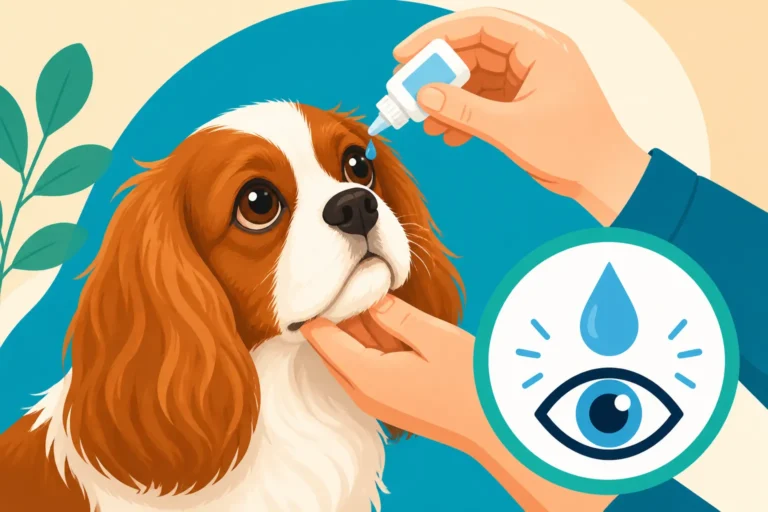
- Eye Clearances: Breeding Cavaliers should have their eyes examined annually by a board-certified veterinary ophthalmologist. This specialist screens for hereditary eye conditions such as cataracts, retinal dysplasia, and microphthalmia. While some eye issues are less severe, others can lead to blindness.
- Patellar Luxation Exams: Performed by a general veterinarian or an orthopedic specialist, this exam assesses the stability of the kneecaps. Dogs are graded on a scale, and only those with healthy, stable knees should be bred.
- DNA Panels: Beyond physical exams, specific genetic tests are available for conditions like Episodic Falling Syndrome (EFS) and Dry Eye Curly Coat Syndrome (DECCS). These are simple cheek swab tests that determine if a dog is clear, a carrier, or affected by these conditions. Responsible breeders will only breed carriers to clear dogs to prevent affected puppies. For a full rundown, read The DNA Tests Every Cavalier Should Have.
Understanding OFA and CHIC Numbers
Verifying health testing can feel daunting, but thankfully, organizations like the Orthopedic Foundation for Animals (OFA) provide a centralized database for many of these clearances. When a breeder submits health test results to the OFA, if the dog meets the health criteria for its breed, it can receive an OFA number. For specific tests like Patellar Luxation, OFA will issue a numerical grade. For heart, eyes, and MRI, the OFA will list the date of the last specialist exam and whether the findings were normal.
The ultimate goal for many responsible breeders is to obtain a CHIC (Canine Health Information Center) number for their breeding dogs. A CHIC number signifies that a dog has had all the health tests recommended by its breed's parent club (in this case, the Cavalier King Charles Spaniel Club, USA), and that those results are publicly available in the OFA database. It doesn't mean the dog is "perfect" – some dogs with minor, non-disqualifying findings can still get a CHIC number – but it does mean they've been tested and the results are transparent.
Always ask for OFA/CHIC numbers for both parents. With these numbers, you can go to the OFA website (www.ofa.org) and verify the results yourself. This is an essential step in ensuring transparency and protecting yourself from misinformation. A breeder who truly health tests will be eager to share these numbers and show you how to look them up.
| Health Test Category | Specific Test | Specialist Required | OFA/CHIC Verifiable | Purpose | Recommended Frequency |
|---|---|---|---|---|---|
| Cardiac | Echocardiogram | Board-Certified Cardiologist | Yes | Assess mitral valve health, heart chamber size, blood flow. | Annually for breeding dogs, beginning by age 2.5 (ideally 5+). |
| Neurological | MRI Scan | Board-Certified Neurologist | Yes | Detect Chiari-like Malformation and Syringomyelia. | Once for breeding clearance, typically by age 2.5-5. |
| Ophthalmological | Eye Exam | Board-Certified Ophthalmologist | Yes | Screen for hereditary eye diseases like cataracts, retinal dysplasia. | Annually for breeding dogs. |
| Orthopedic | Patellar Exam | General Vet / Orthopedist | Yes | Evaluate knee joint stability and patellar luxation. | Once for breeding clearance, usually by age 1-2. |
| Genetic | DNA Panel (EFS, DECCS) | Commercial Vet Lab | Yes (some labs) | Identify carriers or affected status for Episodic Falling Syndrome, Dry Eye Curly Coat Syndrome. | Once in a lifetime. |
The Importance of a Reputable Breeder
Beyond the specifics of health testing, the overall quality and ethics of the breeder themselves are paramount. A reputable breeder is not just a seller of puppies; they are a guardian of the breed, dedicated to its health, temperament, and future.
Why Diligence Matters: Avoiding Puppy Mills and Backyard Breeders
The sad truth is that the popularity of Cavaliers has made them a target for unscrupulous breeders who prioritize profit over the well-being of their dogs. These operations often fall into two categories:
- Puppy Mills: These are commercial breeding facilities where dogs are housed in poor conditions, receive minimal veterinary care, and are bred relentlessly for maximum output. Health testing is non-existent, and puppies are often sold through pet stores or online marketplaces, disconnected from their origins. These puppies frequently come with a host of health issues, behavioral problems, and a complete lack of early socialization. What looks like a "bargain" price initially will inevitably lead to exorbitant vet bills and profound emotional distress.
- Backyard Breeders (BYBs): These are individuals who breed their pets without adequate knowledge, planning, or a commitment to health testing. They might love their own dog, but they lack the understanding of genetics, breed standards, and responsible breeding practices. They often breed "just because," or to "make a little money," or "because my dog is so sweet." They typically don't perform the necessary specialist health clearances for the parents and aren't equipped to provide proper early socialization or support to new puppy owners. While their intentions might be better than a puppy mill, the results for the puppies and their future owners can be just as devastating.
Buying from either of these sources perpetuates a cruel cycle and often results in a puppy with a compromised Cavalier Lifespan and What Cuts It Short. Your diligence in choosing a reputable breeder directly impacts the welfare of countless dogs.
Characteristics of a Responsible Cavalier Breeder
So, what does a truly responsible Cavalier breeder look like? They are a rare gem, and finding one requires patience and persistence.
- Transparency and Openness: They will welcome your questions, provide detailed answers, and openly share all health clearances for both parents, often including grandparents. They will also be willing to show you where the puppies and parent dogs live – usually in their home, as part of the family.
- Lifelong Support: A good breeder sees themselves as a mentor and resource for the lifetime of your dog. They will be available for advice, support, and guidance on everything from training to health concerns. Many have a clause in their contract stating that if you can no longer care for the dog, it must be returned to them.
- Limited Litters and Proper Spacing: They will not have multiple litters constantly. Responsible breeders carefully plan each litter, ensuring the mother is healthy, of appropriate age, and has sufficient recovery time between litters.
- Focus on the Breed: Most reputable Cavalier breeders focus exclusively on Cavaliers, or perhaps one other complementary breed, demonstrating a deep understanding and passion for the specific needs of the Cavalier King Charles Spaniel.
- Early Socialization: Puppies are raised in a clean, stimulating home environment, exposed to various sights, sounds, textures, and people. This crucial early socialization sets the foundation for a well-adjusted adult dog.
- Appropriate Age for Placement: Puppies are not released before 8-10 weeks of age. This allows them sufficient time to nurse, learn crucial bite inhibition and social skills from their mother and littermates, and receive initial vaccinations and deworming.
- Contracts and Guarantees: They will provide a clear contract outlining health guarantees, spay/neuter clauses, and return policies. These contracts protect both the puppy and the buyer.
- Active in the Breed Community: Many reputable breeders are members of breed clubs (like the Cavalier King Charles Spaniel Club, USA), participate in dog shows, or engage in other activities that demonstrate their commitment to the breed's improvement.
- Education and Matching: They will educate you thoroughly about the breed, its needs, and potential challenges. They will also spend time getting to know you to ensure a good match between puppy and family, often having a waiting list because their demand exceeds supply.
Navigating the Breeder Search: Questions to Ask
Once you've identified potential breeders, the real work of due diligence begins. Don't be shy about asking direct, probing questions. A good breeder will appreciate your thoroughness, as it shows you're serious about providing a good home.
Inquiring About Parental Health Clearances
This is the non-negotiable part. Be prepared with a list of specific questions:
- "Can I see the OFA and CHIC numbers for both parents, and can you show me how to look them up on the OFA website?" This is your primary verification tool. Don't just accept a "yes," ask for the actual numbers and perform the search yourself.
- "At what age did the mother and father receive their most recent cardiac clearance by a board-certified cardiologist, including an echocardiogram?" You want to hear that both parents were at least 2.5 years old (preferably older, like 5 or 6, for MVD clearance) and that these clearances are done annually. Ask to see the actual cardiologist reports, not just a certificate from a general vet.
- "When were the parents last MRI scanned for Syringomyelia, and what were their grades?" Ask to see the neurologist's report. Understand that an MRI is a static image; it doesn't guarantee future development of syrinxes, but it provides crucial information about the brain and skull structure. A breeder who has done these scans is making a significant investment in health.
- "What are the OFA eye clearance dates for both parents from a board-certified ophthalmologist?" Again, these should be current.
- "Have both parents been DNA tested for Episodic Falling Syndrome and Dry Eye Curly Coat Syndrome, and are they clear?" Ask to see the actual lab reports. If one parent is a carrier for EFS or DECCS, the other must be clear to ensure no affected puppies are produced.
- "Can you tell me about the heart health of the parents' parents and grandparents?" A breeder focused on health will know their lines intimately and be able to discuss the health history of previous generations, showing a long-term commitment to reducing hereditary diseases. This ties into the advice in Why a Cavalier Should Not Be Bred Before Five to ensure MVD hasn't appeared too early in the line.
Understanding the Breeder's Philosophy and Practices
Beyond health, a breeder's practices speak volumes about their commitment to the puppies' well-being and your future as an owner.
- "Where are the puppies raised, and can I visit to see the facilities and meet the mother?" The answer should always be "in their home." Beware of breeders who insist on meeting in a public place or refuse home visits. You want to see a clean, safe, and stimulating environment where puppies are part of the family.
- "What kind of early socialization do the puppies receive?" Look for breeders who expose puppies to various sounds, textures, people (including children if applicable), and gentle handling. Ask about puppy culture protocols or similar programs they might follow.
- "What is included in the puppy's 'go home' package?" This usually includes initial vaccinations, deworming records, a microchip, a small bag of their current food, a toy or blanket with the litter's scent, and a copy of the health clearances for the parents. The puppy should also have received a general veterinary check-up before going home, but as discussed, this is in addition to the parent's specialist clearances. This often includes receiving their Reading a Cavalier Puppy's Health Certificates.
- "What kind of contract do you use, and what are the health guarantees?" Review the contract carefully. A good contract will outline responsibilities for both parties and provide a guarantee against severe hereditary diseases.
- "What is your policy if, for any reason, I can no longer keep the dog?" A responsible breeder will always want their dogs back and never want them to end up in a shelter. This shows a lifelong commitment to their puppies.
- "What food are the puppies eating, and what are your recommendations for their diet going forward?" This is where a brand like Ollie (for fresh, human-grade dog food) or quality kibble options available at retailers like Chewy might come up in conversation, as breeders often have strong opinions on nutrition.
- "Do you have a waiting list, and what is your process for placing puppies?" Good breeders almost always have a waiting list, a sign that their puppies are in high demand due to their reputation. They will often choose the specific puppy for you based on temperament matching, rather than letting you pick purely on looks.
Deciphering Health Certificates and Pedigrees
Once a breeder provides health certificates and pedigrees, you need to know what you're looking at. It's not just about seeing a piece of paper; it's about understanding the information it conveys.
What to Look For in Cardiac and Neurological Clearances
When reviewing a cardiac certificate, specifically an echocardiogram report, look for:
- Cardiologist's Signature and Credentials: Ensure the report is from a board-certified veterinary cardiologist (Diplomate ACVIM, Cardiology).
- Date of Exam: It should be recent, ideally within the last 12 months for breeding dogs.
- Clear Statement of Findings: Look for "no evidence of Mitral Valve Disease" or "normal cardiac findings." If a murmur is present, a reputable breeder will be transparent about its grade and implications. Remember, What a Heart Murmur Grade Means in a Cavalier is important for understanding severity.
- Specific Measurements: The report might include measurements of heart chambers and valve velocity, which a cardiologist uses to assess health. You don't need to understand every number, but their presence indicates a thorough exam.
For an MRI report for Syringomyelia, look for:
- Neurologist's Signature and Credentials: Again, ensure it's from a board-certified veterinary neurologist (Diplomate ACVIM, Neurology).
- Date of Scan: This indicates when the image was taken.
- Grading of Chiari-like Malformation (CM) and Syrinx Presence: Neurologists use a grading system (e.g., CM Grade 1, 2, 3 and Syrinx Grade A, B, C or measurements of syrinx width). You want to see favorable grades, indicating minimal or no compression and no significant syrinxes.
- Detailed Description: The report should describe the brain and spinal cord structures, noting any abnormalities.
Don't be afraid to ask the breeder to walk you through these documents, explaining what each section means. If they are evasive or unwilling to share the actual reports, consider it a significant red flag.
The Value of a Multi-Generational Pedigree
A pedigree is essentially a family tree for a dog, typically showing three to five generations. While it doesn't directly tell you about individual health test results, it provides invaluable insights into a breeder's program.
- Consistency of Health Testing: A pedigree from a health-focused breeder will often list OFA/CHIC numbers or other health clearances directly on the document, or the breeder will readily provide them for all ancestors. You should see a consistent history of health testing in the lines.
- Longevity of Ancestors: While not a guarantee, seeing many ancestors live to a ripe old age (12+ years) can indicate a robust line. This can tie into knowing The Nine to Fourteen Year Cavalier Lifespan and what contributes to it.
- Reputable Kennels: Recognize the names of well-known, reputable Cavalier kennels in the pedigree. These are breeders who have consistently produced healthy, well-tempered dogs over many years.
- Inbreeding Coefficient (COI): While not always on the pedigree itself, a good breeder will know and be able to discuss the COI of a planned litter. A lower COI generally indicates less inbreeding, which can help reduce the chances of expressing recessive genetic disorders.
A strong pedigree, backed by verifiable health clearances for each generation, tells you that the breeder is thoughtfully planning pairings, not just breeding any two dogs. It shows a long-term commitment to improving the breed and reducing the burden of inherited diseases.
The True Cost of a Health-Tested Cavalier Puppy
Let's talk about money, because buying a Cavalier from a health-tested breeder will undeniably have a higher upfront cost than from a puppy mill or backyard breeder. This is often a point of contention for potential owners, but it's essential to understand why this cost is justified and how it ultimately saves you money and heartache in the long run.
Why a Higher Upfront Price Saves You Money Later
The price of a well-bred, health-tested Cavalier puppy typically ranges from $2,500 to $4,500, and sometimes even higher depending on location and demand. This price tag is a direct reflection of the immense investment a responsible breeder makes. Consider what goes into it:
- Specialist Health Testing: Annual cardiologist exams and echocardiograms, eye clearances, patella exams, MRI scans, and DNA tests for multiple breeding dogs are incredibly expensive. An MRI alone can cost upwards of $2,000-$3,000 per dog. These are not one-time costs; they are ongoing investments year after year.
- Quality Care for Breeding Dogs: Reputable breeders provide top-tier nutrition, routine veterinary care, proper housing, and enrichment for their adult dogs. This ensures healthy parents, which are vital for healthy puppies.
- Puppy Care: This includes quality food, vaccinations, deworming, microchipping, vet checks, and often extensive early neurological stimulation and socialization programs.
- Time and Expertise: The time a responsible breeder dedicates to researching lines, planning breedings, caring for pregnant mothers, whelping and raising puppies, and supporting new owners is immense and invaluable. This is a full-time commitment, not a hobby.
While a puppy mill or backyard breeder might sell a Cavalier for $800-$1,500, that "savings" is almost always a down payment on future veterinary bills. A Cavalier from un-tested lines is far more likely to develop severe MVD requiring expensive medications, or painful Syringomyelia requiring ongoing pain management or even surgery. Treating these conditions can easily run into thousands, even tens of thousands, of dollars over the dog's lifetime. Think about What Cavalier Heart Disease Costs to Treat or Paying for a Cavalier Syringomyelia Workup can mean financially. That initial "cheap" puppy can quickly become the most expensive dog you'll ever own, not to mention the emotional toll of watching your beloved pet suffer. This is why paying Cavalier Puppy Prices From a Reputable Breeder upfront is an investment in health and peace of mind.
Budgeting for Ongoing Care, Even with a Healthy Start
Even with a beautifully bred, health-tested Cavalier, it's crucial to understand that responsible dog ownership is an ongoing financial commitment. A "healthy start" doesn't mean "zero future costs."
- Routine Veterinary Care: Annual check-ups, vaccinations, parasite prevention (flea, tick, heartworm medications) are standard for any dog. These costs add up to several hundred dollars annually. You can get many of these supplies from retailers like Chewy, often with auto-ship discounts.
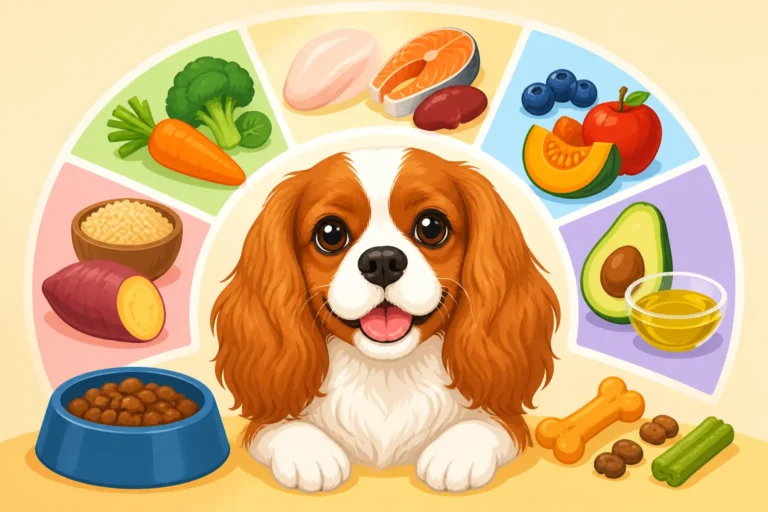
- Quality Food: Feeding a Cavalier a high-quality, species-appropriate diet is essential for their overall health and longevity. Whether you choose premium kibble, fresh-cooked meals from services like Ollie, or a raw diet, expect to budget $50-$100+ per month. For insights into general costs, refer to What a Cavalier Costs a Year Before Any Heart Bills.
- Grooming: While Cavaliers don't require professional haircuts, their long, silky coats need regular brushing to prevent mats, and their drop ears need careful cleaning. Professional grooming every 6-8 weeks for baths, trims, and nail care is common. This contributes to Cavalier Grooming Costs Every Six to Eight Weeks.
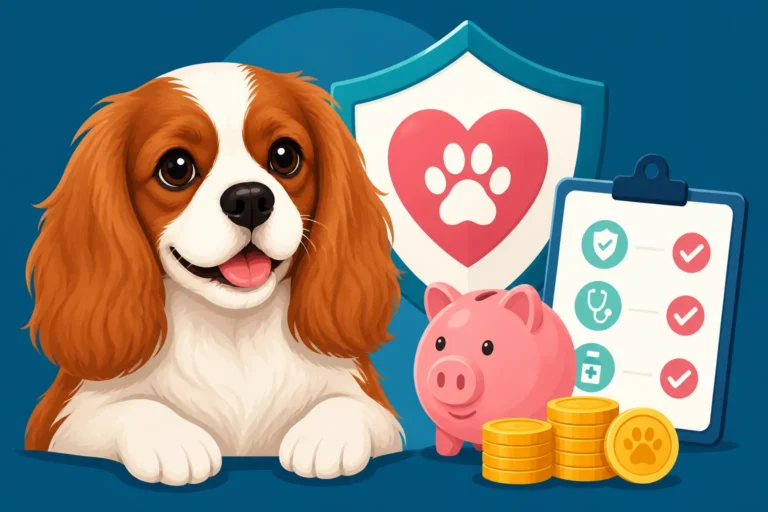
- Pet Insurance: This is perhaps one of the most vital investments for a Cavalier owner. Because of their breed-specific health challenges, even a health-tested Cavalier can develop issues later in life. Pet insurance can be a literal lifesaver, covering a significant portion of unexpected veterinary bills for accidents or illnesses. Enrolling your Cavalier when they are a puppy, before any conditions manifest, is critical. Companies like Healthy Paws are popular choices and can offer comprehensive coverage. Don't wait until a murmur is detected, because then it becomes a pre-existing condition and won't be covered. Consider Insuring a Cavalier Before the Murmur Arrives as soon as you bring your puppy home.
- Training and Enrichment: Costs for puppy classes, toys, beds, leashes, and potential daycare or dog walkers all contribute to the overall budget.
- Emergency Fund: Always have an emergency fund set aside for unexpected health crises, even with insurance, as most policies have deductibles and co-pays.
Budgeting for a Cavalier means looking at the big picture: the upfront cost of a well-bred puppy is an investment that aims to minimize the likelihood of devastating health issues, but it doesn't eliminate the need for ongoing care and financial preparedness.
Red Flags and Green Lights in Your Breeder Search
Making such a significant decision requires careful observation and listening to your gut. There are clear indicators that signal you should either proceed with caution or run the other way, as well as signs that you've likely found a true gem.
Warning Signs to Never Ignore
If you encounter any of these, it's time to politely disengage and move on:
- No Verifiable Health Clearances: This is the biggest red flag. If a breeder cannot or will not provide OFA/CHIC numbers and detailed specialist reports for the parents, they are not health testing to the appropriate standard for Cavaliers. "Vet checked" is not enough.
- Multiple Breeds or Too Many Litters: Breeders who churn out puppies of many different breeds or have multiple Cavalier litters simultaneously are often operating on a commercial scale, focusing on quantity over quality.
- No Home Visits Allowed: If a breeder insists on meeting you in a parking lot, a neutral location, or refuses to let you see where the puppies are raised and meet the mother, walk away. This often indicates unsanitary conditions, sick parents, or a puppy mill operation.
- Puppies Available "Right Away": Reputable breeders typically have waiting lists because they carefully plan their litters. If a breeder always has puppies available immediately, it's a sign they might be over-breeding or struggling to place puppies, which can be a red flag.
- Poor Communication or Evasiveness: A good breeder will be patient, knowledgeable, and transparent. If they are hard to reach, vague in their answers, or get defensive when asked about health testing, trust your instincts and look elsewhere.
- "Pick of the Litter" Without Temperament Matching: A responsible breeder matches puppies to families based on temperament and lifestyle, not just looks. If they allow you to pick purely on sight, they might not be prioritizing a good fit.
- Selling Puppies Before 8 Weeks: Taking a puppy away from its mother and littermates before 8 weeks deprives it of crucial developmental learning and can lead to behavioral problems.
- No Return Policy or Contract: A breeder who doesn't offer a contract or doesn't have a policy for taking back a dog if you can no longer care for it is not truly committed to the lifetime welfare of their puppies.
- Discounted Prices for Multiple Puppies: Ethical breeders prioritize finding the right homes and will not discount puppies based on volume, nor will they encourage buying littermates which can lead to "littermate syndrome."
Positive Indicators of an Excellent Breeder
These are the green lights that tell you you're on the right track:
- Open and Honest Communication: They answer all your questions thoroughly, patiently, and without defensiveness. They educate you, rather than just selling to you.
- Verifiable Health Clearances Shared Proactively: They offer to share all health documentation, explain how to look up OFA/CHIC numbers, and are proud of their health testing results.
- Clean, Loving Home Environment: You visit and see happy, healthy, well-socialized adult dogs and puppies in a clean, stimulating home environment, interacting with the family.
- Knowledge and Passion: The breeder demonstrates extensive knowledge of the Cavalier breed, its history, its health challenges, and its temperament. They are clearly passionate about their dogs.
- Emphasis on Temperament and Socialization: They talk about how they socialize their puppies and describe the individual temperaments of the puppies and parents. They prioritize matching the right puppy to your family.
- Lifelong Support and Resources: They offer a lifetime of support, encourage you to stay in touch, and provide a strong contract with a return clause.
- Screening You as Much as You Screen Them: A good breeder will ask you many questions about your lifestyle, experience, home, and expectations. They are interviewing you to ensure their puppy goes to a suitable home.
- Waiting List and Patience: They have a waiting list, indicating demand for their quality puppies, and they emphasize that finding the right puppy takes time and patience.
- References from Previous Buyers: They are happy to provide references from other families who have purchased puppies from them.
Finding a Cavalier from a health-testing breeder might take more time, effort, and money upfront, but it's an investment that pays dividends in terms of a healthier, happier dog and significantly less stress and financial burden for you. This journey is about making an informed, ethical choice for a beloved family member.
Disclaimer
The information provided in this guide is for general informational purposes only and does not constitute veterinary advice. Always consult with a qualified veterinarian or veterinary specialist for any health concerns or before making any decisions about your pet's care. Breed-specific health information is dynamic, and best practices may evolve.