Accidents in a House-Trained Cavalier
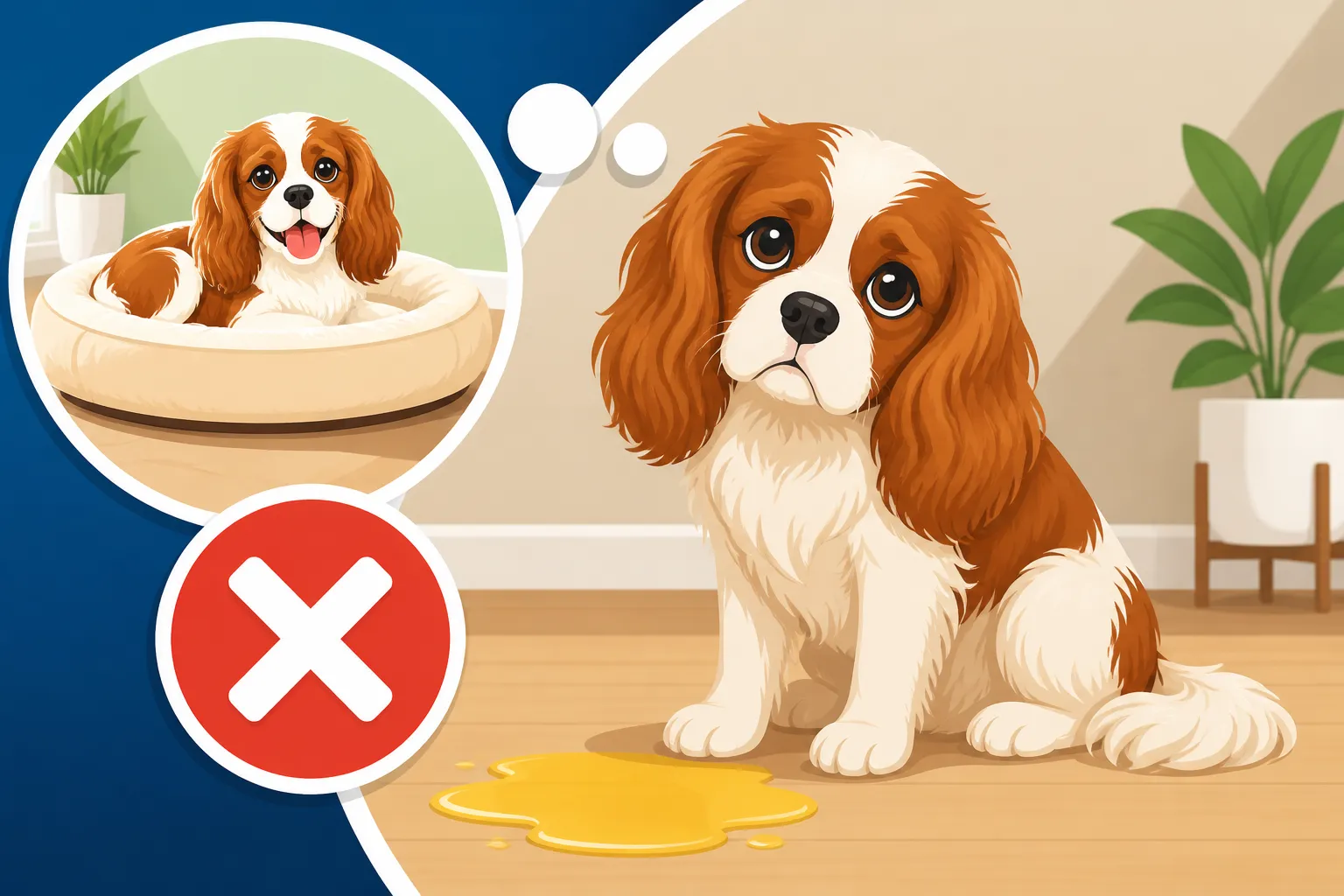
It's incredibly frustrating and often bewildering when your once-perfectly house-trained Cavalier King Charles Spaniel suddenly starts having accidents indoors. You might feel a mix of confusion, irritation, and worry, wondering if they've forgotten everything you taught them or if something deeper is wrong. This guide aims to help you unravel the mystery behind those unexpected puddles and messes, offering clarity on potential causes and practical steps to get your beloved companion back on track.
The Medical Reasons Behind Sudden Accidents
When a house-trained dog starts having accidents, the very first thing to consider is their health. Cavaliers are prone to certain conditions, and many medical issues can manifest as a sudden loss of bladder or bowel control. It’s never about spite or forgotten training; it's almost always a sign that something has changed internally.
Urinary Tract Infections and Bladder Issues
One of the most common culprits behind sudden indoor accidents is a urinary tract infection (UTI) or other bladder-related problems. Just like humans, dogs can get UTIs, and they're incredibly uncomfortable. Your Cavalier might suddenly need to urinate more frequently, strain while trying to go, or even have small, uncontrolled leaks. You might notice them squatting repeatedly with little to no urine coming out, or see them have a full accident shortly after being outside.
It’s a truly miserable experience for them, and for you, it translates to cleaning up mess after mess. This isn't them being naughty; their bladder is simply sending urgent, often painful, signals they can't ignore. Beyond infections, bladder stones or crystals in the urine can cause similar symptoms, irritating the bladder lining and increasing urgency. A trip to the vet is crucial to diagnose these issues, as they usually require antibiotics or other targeted treatments. Imagine waking up in the morning to find a puddle in the living room, even though your Cavalier had a late potty break the night before and usually holds it all night. This sudden change in overnight control is a classic red flag for a potential UTI.
Hormonal and Metabolic Changes
As Cavaliers age, or sometimes even in younger dogs, underlying hormonal and metabolic conditions can silently creep in and disrupt their ability to hold their bladder or bowels. Conditions like diabetes, kidney disease, or Cushing's disease can significantly increase thirst and, consequently, urination. If your Cavalier is suddenly drinking copious amounts of water, more than their usual intake, it's natural that what goes in must come out, often with greater frequency and urgency than they can manage.
For instance, an older Cavalier who has always been perfect with their house training might suddenly start having accidents right after drinking, or even leak a little while sleeping. This isn't a lapse in memory; it's a physiological change overwhelming their system. Similarly, conditions affecting the kidneys can reduce their ability to concentrate urine, leading to more frequent and larger volumes of pee. These conditions often require blood tests and a thorough vet examination to pinpoint, but addressing them can often resolve or significantly alleviate the accident problem. Keeping a close eye on their water bowl and how often you're refilling it can offer important clues.
Musculoskeletal Pain and Mobility Challenges
Cavaliers, unfortunately, can be prone to certain joint and neurological issues, and these can indirectly lead to house-training accidents. If your dog is in pain, especially in their back, hips, or knees, the simple act of getting up, walking to the door, going down stairs, or assuming the potty position can become excruciating. They might delay asking to go out because moving hurts, or they might simply have an accident where they stand rather than endure the pain of a full trip outside.
Think about a Cavalier suffering from a flare-up of Syringomyelia and Chiari Malformation in Cavaliers or experiencing the discomfort of Loose Kneecaps in a Thirteen-Pound Cavalier. They might yelp when picked up, hesitate before jumping on furniture, or even refuse to go down steps to the yard. These subtle signs of discomfort can easily be missed, but they can be a major factor in why your dog isn't making it outside in time. A dog struggling with mobility might not even realize they need to go until it's too late, or they might associate the act of going outside with pain. It's heartbreaking to think they're hurting, and it's essential to rule out these physical barriers. Observe if your Cavalier is reluctant to move, seems stiff, or has any changes in their gait.
Cognitive Decline in Senior Cavaliers
Watching your beloved senior Cavalier slow down is tough enough, but when they start having accidents due to cognitive decline, it adds another layer of heartbreak and logistical challenge. Canine Cognitive Dysfunction (CCD), often compared to Alzheimer's in humans, can cause confusion, disorientation, and a regression in learned behaviors, including house training. Your older Cavalier might forget why they're outside, stand by the door asking to come in immediately after being let out, or even have an accident right in front of you without any attempt to signal.
This isn't malicious, and they aren't "doing it on purpose." Their brain simply isn't processing information or recalling memories the way it used to. They might wander aimlessly, stare blankly at walls, or become more withdrawn. What Changes in a Cavalier After Eight often includes subtle cognitive shifts. You might find yourself cleaning up accidents from a dog who has been perfectly house-trained for a decade, and it feels like a betrayal of all your hard work. However, understanding that it's a medical condition, not a behavioral choice, can help you approach it with the necessary patience and empathy. There are sometimes medications and supplements that can help manage the symptoms of CCD, so it's worth discussing with your vet.
Behavioral Shifts Leading to Potty Problems
While medical reasons are always the primary suspect for a sudden change in house training, behavioral factors can also play a significant role. These issues often stem from stress, anxiety, or miscommunication rather than a lack of understanding on your Cavalier's part.
Stress, Anxiety, and Environmental Changes
Cavaliers are highly sensitive and emotionally intelligent dogs. They thrive on routine and stability, and even small changes in their environment or daily life can cause significant stress or anxiety, which can then manifest as house-training accidents. Think about how a child might wet the bed during a stressful period – dogs can experience similar regressions.
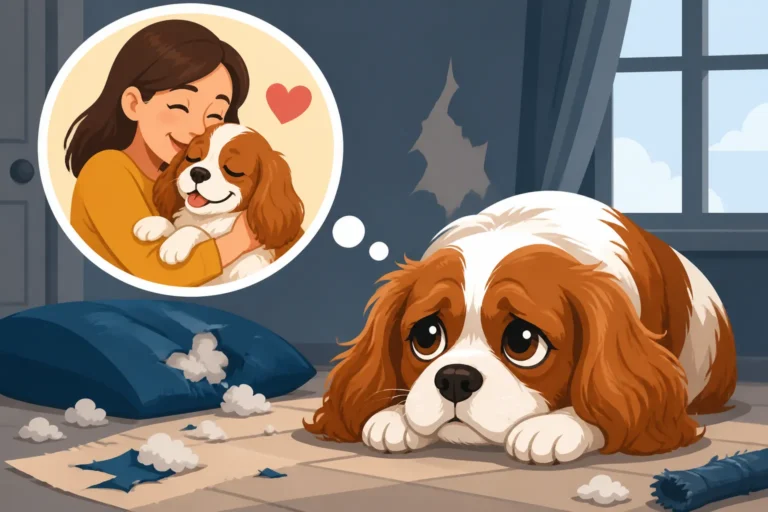
Moving to a new house, the arrival of a new baby or pet, a change in your work schedule, or even rearranging the furniture can throw a sensitive Cavalier off balance. They might feel insecure, anxious, or overwhelmed, and relieving themselves indoors can be a way of self-soothing or a symptom of their distress. If your Cavalier is struggling with Living With a Cavalier That Panics When Alone, for instance, accidents could be a component of their separation anxiety. Similarly, if they exhibit Signs a Cavalier Is Distressed When Alone, those signs might include urination or defecation.
A real-life scenario might involve bringing home a new puppy. Your resident Cavalier, who has been perfectly house-trained for years, might suddenly start having accidents near the puppy's crate or in areas they previously claimed as their own. This isn't a sign of defiance, but rather a profound expression of stress and insecurity over the change in their established social order. Identifying the stressor and working to alleviate your dog's anxiety is key to resolving the issue. This might involve creating a safe, quiet space for them, maintaining a consistent routine, and giving them extra reassurance.
Incomplete House Training or Regression
Sometimes, what appears to be a sudden regression in house training might actually reveal that the initial training wasn't as bomb-proof as you thought, or perhaps signals have become muddled over time. This is especially common if your Cavalier was acquired as an adult with an unknown history, or if there were inconsistencies during puppyhood.
Maybe your Cavalier only ever learned to go potty on grass, and now you've moved to an apartment with concrete sidewalks, causing confusion. Or perhaps, when they were a puppy, you were very diligent about taking them out every hour, but over time, you extended the intervals, and they simply can't hold it as long as you've started expecting them to. It's easy for us to assume our dogs understand, but sometimes, their understanding is more conditional than we realize.
A common scenario might involve a Cavalier who has always been reliable, but after a stay at a new boarding kennel or a prolonged illness, they start having accidents. The routine was broken, or they became accustomed to relieving themselves wherever they felt comfortable during their recovery, and now they need a gentle re-education. This often requires going back to basics, treating them like a puppy again for a short period, with very frequent, leashed trips outside, immediate rewards for success, and no free-roaming until reliability is re-established. Consistency, repetition, and positive reinforcement are your best tools here.
Marking Behavior, Not Accidents
It's important to distinguish between a genuine house-training accident and marking behavior, as they have different motivations and require different approaches. Marking is typically done by intact males, though intact females can also mark, and sometimes even spayed or neutered dogs will mark if they feel a strong territorial urge or anxiety.
Marking involves depositing small amounts of urine, often on vertical surfaces like furniture legs, walls, or curtains, usually with a raised leg. True accidents, on the other hand, are typically larger puddles on horizontal surfaces, indicative of a full bladder release. The key difference lies in the amount of urine and the location. Marking is a communication tool, a way for dogs to say, "I was here" or "This is mine." It's often triggered by new smells (a new visitor, a new piece of furniture, or another dog in the house), perceived threats, or feeling insecure in their environment.
For example, if you have guests over who bring their own dog, your Cavalier might start marking in the house to reassert their territory. This is not about needing to pee badly; it's about making a statement. While frustrating, understanding it's marking rather than an accident changes your strategy. It involves identifying what triggers the marking, managing the environment (e.g., supervising closely when new smells are present, thorough cleaning with enzymatic cleaners), and possibly discussing neutering if your dog is intact and marking is a significant issue.
Dietary and Hydration Factors
What goes into your Cavalier's body, and when, can absolutely impact their ability to maintain stellar house-training habits. Sometimes, the solution to those unexpected indoor puddles is as simple as adjusting their food or water routine.
Changes in Food or Treat Regimen
We all want to spoil our Cavaliers, but sometimes, a sudden change in their diet or an increase in certain treats can upset their digestive system or alter their thirst levels, leading to accidents. If you've recently switched your Cavalier's kibble, introduced a new type of wet food, or started giving them different treats, their body might react unexpectedly. Some foods can be mild diuretics, meaning they cause increased urination, or they might simply contain ingredients that are hard on your Cavalier's sensitive stomach, leading to loose stools or an increased need to defecate.
Consider a scenario where you've switched to a new "gourmet" kibble that's richer than their old food. Suddenly, your Cavalier is having loose stools in the house. This isn't them forgetting their training; it's their digestive system reacting to a change they weren't ready for. Similarly, high-sodium treats, even popular ones you might find on Amazon, can make your Cavalier excessively thirsty, leading to more frequent trips to the water bowl and, inevitably, more urgent bathroom breaks. When making dietary changes, it's always best to introduce new foods gradually over several days to allow their system to adjust. If you suspect a food change, try to revert to their old diet to see if the accidents resolve, and then reintroduce new foods slowly, one at a time.
Excessive Water Intake
A dog drinking more water than usual naturally needs to urinate more often, and if those increased urges aren't met with timely potty breaks, accidents can happen. While increased thirst can be a sign of underlying medical issues like diabetes or kidney disease (which warrants a vet visit, as discussed earlier), it can also be due to simpler reasons.
Maybe the weather has become unusually hot, or your Cavalier has been more active than usual during playtime or walks. If they're exercising vigorously, they'll naturally drink more to rehydrate. However, sometimes dogs can also drink out of boredom, anxiety, or simply habit. If you notice your Cavalier emptying their water bowl rapidly and frequently, and there are no other concerning medical symptoms, it's important to increase their potty break frequency to match their intake.
Keep an eye on their water bowl. If it seems to be emptying at an alarming rate without an obvious reason like heat or exercise, it's always wise to mention this to your veterinarian. They might recommend checking for conditions that cause polydipsia (excessive thirst). Ensuring fresh water is always available is important, but also recognize that increased intake means increased output, and your house-trained Cavalier simply might not be able to hold it as long as they normally would.
Scheduling and Routine Disruptions
Cavaliers are creatures of habit, and their house training relies heavily on a consistent schedule. Any significant disruption to their daily routine can throw off their internal clock and lead to accidents, even in the most reliably trained dogs.
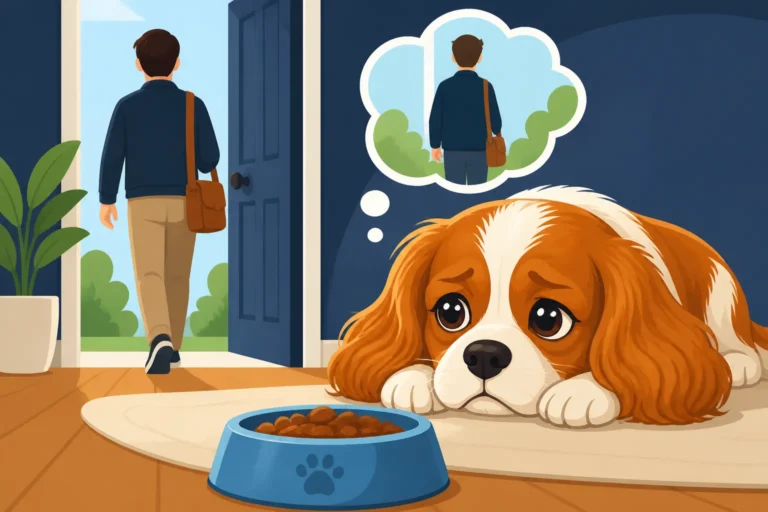
Imagine your daily routine used to involve taking your Cavalier out first thing in the morning, at lunchtime, right after you got home from work, and before bed. This schedule worked perfectly for years. But now, your work hours have shifted, and you're no longer home at lunchtime, or perhaps you've started working from the office after a long period of being home. This sudden, extended period between potty breaks can be too long for your Cavalier to comfortably hold it. They haven't forgotten their training; their physical needs simply aren't being met by the new, less frequent schedule.
Travel, houseguests, or even a different wake-up time on weekends can also disrupt your Cavalier's routine and lead to mishaps. They rely on us to facilitate their potty schedule, and when that schedule changes without sufficient adaptation, they can't help but have an accident. Re-establishing a clear, consistent routine for potty breaks, especially during times of change, is paramount. Consider hiring a dog walker, asking a neighbor, or utilizing a doggy daycare if your schedule demands longer periods away from home to ensure your Cavalier gets the breaks they need.
When to Call the Vet: Red Flags and Next Steps
It can be hard to know when an indoor accident is just a fluke and when it's a serious sign that warrants immediate veterinary attention. However, when it comes to your Cavalier, it's always best to err on the side of caution.
Recognizing Urgent Symptoms
While any sudden change in house training calls for investigation, certain symptoms signal that you absolutely should not delay contacting your veterinarian. These red flags suggest a potentially serious underlying issue that needs prompt medical assessment.
Look out for:
- Blood in the urine: Even a small amount can indicate a severe infection, stones, or other serious conditions.
- Excessive straining or pain during urination/defecation: This can point to blockages, severe inflammation, or significant discomfort. Your Cavalier might vocalize, hunch over, or pace nervously.
- Extreme lethargy or sudden weakness: If the accidents are accompanied by your Cavalier seeming unusually tired, weak, or unresponsive, it could be a sign of a systemic illness.
- Vomiting or diarrhea alongside accidents: This combination can indicate severe gastrointestinal upset, organ issues, or even poisoning.
- Inability to urinate at all, despite repeated attempts: This is a medical emergency, especially for male dogs, as it could indicate a urinary obstruction, which can quickly become life-threatening.
- Unusual odor to the urine: A very strong, foul, or ammonia-like smell can indicate a severe infection.
If your Cavalier exhibits any of these symptoms, don't wait. Call your vet immediately. Describe what you're seeing in detail. For example, if your Cavalier is suddenly yelping when picked up and simultaneously having accidents, it strongly suggests pain, possibly linked to A Cavalier That Yelps When Picked Up due to a neck or back issue. Urgent symptoms often mean your dog is in discomfort or battling a serious illness, and early intervention can make a significant difference.
What to Document for Your Vet
When you contact your vet about your Cavalier's accidents, having clear, detailed information ready can be incredibly helpful for them to quickly narrow down potential causes. Vets rely on your observations to piece together the puzzle. Don't just say, "My dog is having accidents." Be specific!
Start by keeping a log for a day or two. Note down:
- When the accidents occur: What time of day? Is it consistent? Is it shortly after eating, drinking, or waking up?
- Where the accidents happen: Always in the same spot? Near the door? On furniture?
- Type of accident: Urine, feces, or both? Is it a full bladder release or just a small amount?
- Consistency/Appearance: Is the urine clear, cloudy, or bloody? Is the stool normal, loose, or hard?
- Frequency of urination/defecation: How often are they needing to go outside? Is it more or less than usual?
- Associated symptoms: Any changes in thirst, appetite, energy levels, mobility, or behavior? Are they straining, licking themselves excessively, or showing signs of pain like A Cavalier That Refuses Stairs?
- Recent changes: Have there been any recent changes to their diet, routine, household, or new medications?
If you can, try to collect a fresh urine sample first thing in the morning. Your vet might ask you to do this for a urinalysis. Sometimes, even taking a short video of the accident or their behavior leading up to it can provide valuable insights that are hard to describe in words. The more information you provide, the better equipped your vet will be to form a diagnosis and suggest the appropriate What a Cavalier Cardiologist Visit Involves or other specialized consultation if needed.
Diagnostic Tests to Expect
Once you've had that initial discussion with your vet about your Cavalier's house-training accidents, they'll likely recommend a series of diagnostic tests to pinpoint the underlying cause. This isn't just guesswork; it's a systematic approach to rule out various possibilities.
The first step usually involves a thorough physical examination, which includes feeling their abdomen, checking their temperature, and listening to their heart. From there, common tests include:
- Urinalysis: This is crucial. Your vet will examine a urine sample for signs of infection (bacteria, white blood cells), crystals, blood, protein, and glucose, which can indicate conditions like diabetes.
- Blood Work: A complete blood count (CBC) and a chemistry panel can reveal issues with kidney function, liver health, diabetes, thyroid imbalances, and other systemic illnesses. A Cavalier Heart Blood Test Called NT-proBNP is an example of a specific blood test that can indicate heart stress, though it's less direct for urination problems.
- Imaging: X-rays might be used to look for bladder stones or abnormalities in the bladder or kidneys. If there's suspicion of neurological issues or pain, especially with Cavaliers, your vet might recommend an MRI or CT scan, as discussed in What a Cavalier MRI Scan Costs and Shows, to visualize the spine and brain. Ultrasound can provide a more detailed view of internal organs.
These tests help paint a clearer picture of what's happening internally. Sometimes, the issue is straightforward, like a simple UTI. Other times, it might be a complex interplay of factors requiring more in-depth investigation. Be prepared for a phased approach, where your vet might start with the least invasive tests and progress to more specialized diagnostics if initial results are inconclusive. The goal is always to find the root cause so your Cavalier can get the most effective treatment and return to their perfectly house-trained self.
Practical Strategies for Managing and Preventing Accidents
Once any medical issues have been ruled out or are being managed, you can turn your attention to practical, at-home strategies to reinforce good habits and prevent future accidents. This often means returning to basics and being incredibly consistent.
Re-establishing a Solid Potty Routine
If your Cavalier has started having accidents, whether due to a medical issue that's now resolved or a behavioral hiccup, the best course of action is to completely re-establish their potty routine as if they were a young puppy. Consistency is key here; every single potty break needs to be a clear, successful event.
This means taking them out much more frequently than you usually would, especially after waking up, after eating or drinking, and before bed. Use a leash every single time, even if you have a fenced yard. The leash ensures they stay focused on the task at hand and don't get distracted by squirrels or interesting smells until they've done their business. Go to the same spot every time, as the familiar scent cues them.
When they do relieve themselves outside, praise them enthusiastically and immediately offer a high-value treat. Make it a celebration! The timing of the reward is critical; it needs to happen within a few seconds of them finishing so they clearly associate the outdoor potty with the positive outcome. Avoid scolding them for indoor accidents; this only teaches them to hide their messes, making the problem harder to solve. Instead, focus all your energy on rewarding successful outdoor trips. Think of it as a reset: you're clearly communicating the expectations again, building a strong, positive association with outdoor potty breaks.
Managing Stress and Anxiety
Since stress and anxiety are common drivers of house-training regression in sensitive Cavaliers, developing strategies to mitigate these feelings is crucial. A calm dog is much more likely to maintain good habits.
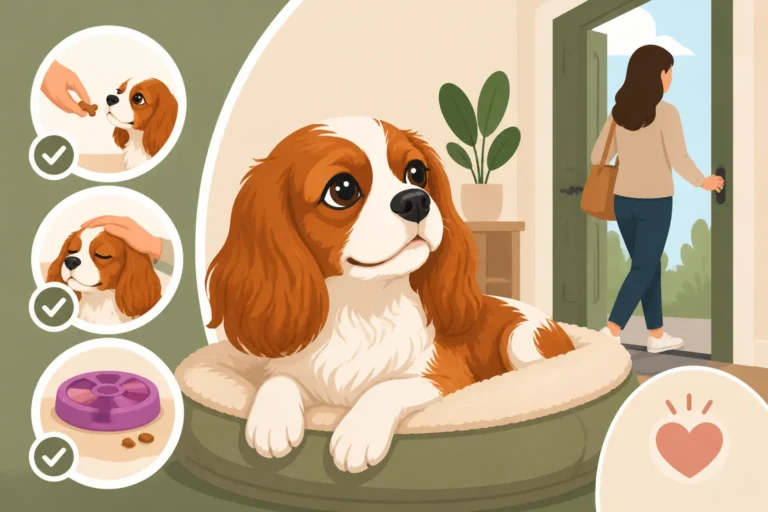
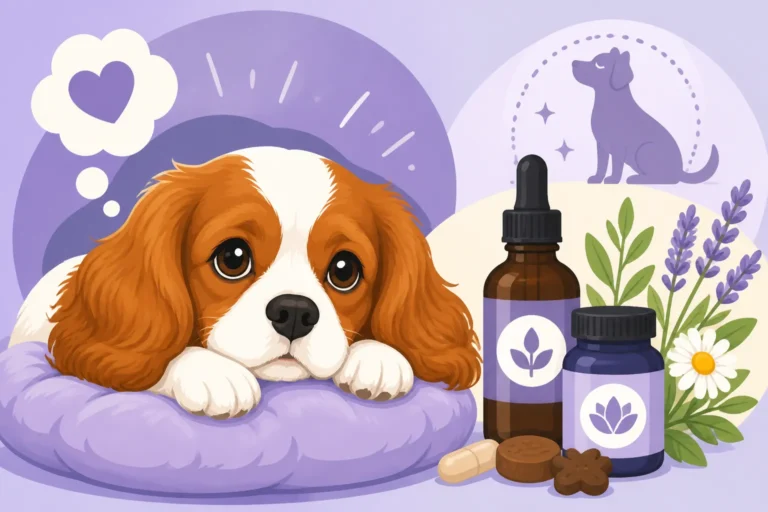
First, identify potential stressors. Is it a new environment, new people, a change in schedule, or perhaps separation anxiety? Once you have an idea, you can begin to address it. Creating a safe, quiet "den" for your Cavalier can be incredibly helpful. This could be a crate covered with a blanket, or a specific dog bed in a low-traffic area, where they can retreat and feel secure. Consider investing in calming products like diffusers, sprays, or even anxiety vests, many of which can be found easily on Amazon. Some owners find Calming Supplements for an Anxious Cavalier to be beneficial, though always discuss these with your vet first.
Maintain as consistent a daily routine as possible for feeding, walks, and potty breaks. Predictability is very comforting to an anxious dog. If separation anxiety is a factor, work on building their tolerance for being alone gradually, starting with very short absences and slowly extending them. Gentle, reward-based training can also build confidence and provide mental stimulation, diverting their focus from anxieties. Companies like BAXTER & Bella offer online puppy and dog training programs that emphasize positive reinforcement, which can be fantastic for building confidence and solidifying good habits in a low-pressure environment. Remember, patience and empathy are your greatest tools when dealing with an anxious Cavalier.
Addressing Mobility Challenges
If your Cavalier's accidents are linked to pain or mobility issues, creating an environment that makes it easier for them to get outside and relieve themselves is paramount. They might not be able to hold it as long, or move as quickly, as they once could.
Consider installing stair ramps if they struggle with steps, or even setting up an indoor potty area with grass pads if getting outside frequently becomes too challenging, especially overnight or during bad weather. Elevated food and water bowls can make eating and drinking more comfortable, reducing strain on their neck and joints. Ensure their bedding is comfortable and supportive, relieving pressure points, particularly for older dogs with arthritis.
For walks, a well-fitting harness is always recommended over a collar, especially for Cavaliers, as it avoids putting pressure on their delicate neck and throat, which can be sensitive due to conditions like syringomyelia or even just age-related stiffness. Harnesses Instead of Collars for a Cavalier can make walks more comfortable and less painful. If your vet has prescribed pain medication, ensure it's given consistently to keep them as comfortable as possible. Sometimes, simply having an easier, quicker route to the potty spot is all they need to prevent accidents.
Thoroughly Cleaning Accidents
This might seem like a basic step, but it's absolutely vital. If your Cavalier has an accident indoors, merely wiping it up with a paper towel and standard household cleaner isn't enough. Dogs have an incredibly sensitive sense of smell, and if they can still detect even a faint trace of urine or feces odor, that spot becomes an irresistible beacon, inviting them to relieve themselves there again. It creates a self-reinforcing cycle of accidents.
You need to use an enzymatic cleaner specifically designed for pet odors. These cleaners don't just mask the smell; they actually break down the uric acid crystals and other organic compounds in urine and feces that cause the odor. Without these enzymes, the lingering scent tells your dog, "This is a potty spot!" even if you can't smell it. Brands widely available on Amazon offer effective enzymatic cleaners.
To clean an accident properly: first, blot up as much of the urine or stool as possible with paper towels or an old rag. Avoid rubbing, as this can spread the mess and push it deeper into carpets or upholstery. Then, generously apply the enzymatic cleaner, allowing it to soak for the time recommended on the product label (often 10-15 minutes or longer). Finally, blot it up again and allow the area to air dry completely. You might need to repeat the process for older or heavily soiled areas. Investing in a good quality enzymatic cleaner is not just about cleanliness; it's a critical component of breaking the accident cycle and reinforcing appropriate potty habits.
Long-Term Well-being and Support for Your Cavalier
Dealing with house-training accidents, especially in a dog you thought was perfectly trained, can be a journey. But remember, your Cavalier relies on you for understanding and support. Thinking long-term about their health and your bond is paramount.
Regular Vet Check-ups and Preventative Care
The most important long-term strategy for preventing house-training accidents is proactive health management through regular veterinary check-ups. Many of the medical conditions that cause accidents, especially in Cavaliers, can develop slowly and subtly. Early detection is often key to effective treatment and better outcomes.
Cavaliers are particularly susceptible to certain health issues, such as heart disease (Mitral Valve Disease) and neurological conditions like Syringomyelia. Regular annual exams allow your vet to catch early signs of these or other conditions that might impact their house training. During these visits, your vet will perform a thorough physical, listen to their heart (which is especially important for The Yearly Checkup That Listens to a Cavalier's Heart), and may recommend routine blood work or urinalysis, particularly as your Cavalier enters their senior years.
These routine visits can identify a budding urinary tract infection before it becomes severe, spot early signs of diabetes or kidney disease that increase thirst and urination, or even detect musculoskeletal pain that makes getting outside difficult. Don't wait until a problem becomes undeniable and severe. Preventative care and early diagnosis are the best defense against those distressing indoor accidents and contribute significantly to your Cavalier's overall health and happiness throughout their life.
Adapting to Your Senior Cavalier's Needs
As your Cavalier ages, their needs inevitably change, and so too must your expectations and care routine. It's heart-wrenching to see an older dog struggle, and house-training accidents can be one of the more challenging aspects of caring for a senior Cavalier. Patience, understanding, and adaptability become your superpowers.
If your senior Cavalier is experiencing cognitive decline or age-related incontinence, scolding them for accidents will only cause confusion and distress, not improve the situation. Instead, focus on making their life easier. Increase the frequency of potty breaks, even setting an alarm to take them out during the night if necessary. Consider using doggy diapers or washable belly bands for short periods or overnight to protect your home and reduce stress for both of you. Many options for these can be found on Amazon.
Make their potty spot easily accessible. If stairs are a problem, can you create a closer, ground-level potty area? Ensure their environment is consistent and easy to navigate to minimize confusion. Remember that Caring for a Cavalier Past Nine often involves adapting to their declining physical and mental abilities. While it can be frustrating, viewing these accidents as a symptom of aging, rather than a failure on their part, allows you to provide the compassionate care they deserve in their golden years. This might mean adjusting your schedule, investing in new aids, and simply giving them more grace and understanding.
Building a Stronger Bond Through Understanding
Ultimately, dealing with house-training accidents in a previously trained Cavalier is a test of your bond and your ability to respond with empathy. It's easy to get frustrated, to feel annoyed by the mess, or to worry about the implication for your home. But remember, your Cavalier is not doing this to spite you. They are communicating that something is wrong, whether it's a medical issue, stress, or the inevitable changes that come with aging.
Approaching the situation with a detective's mindset – seeking the "why" behind the accident – rather than a punitive one, will preserve and strengthen your relationship. If you consistently show them patience, reassurance, and proactive solutions, even when it's inconvenient, you reinforce their trust in you. Companies like BAXTER & Bella emphasize positive, relationship-based training, and this philosophy extends to managing behavioral changes in an older dog.
Your Cavalier has likely brought immense joy into your life, and this is a time when they need your unconditional love and support most. By investigating the cause, providing the necessary medical care, adjusting routines, and offering a comforting presence, you're not just solving a house-training problem; you're reaffirming your commitment to their well-being. This deeper understanding will lead to a more harmonious household and a stronger, more resilient bond with your cherished Cavalier King Charles Spaniel.
| Potential Cause | Key Symptoms | Initial Action |
|---|---|---|
| Urinary Tract Infection/Bladder | Frequent urination, straining, small puddles, blood in urine, licking genitals, sudden urgency. | Vet visit ASAP (urinalysis, antibiotics). |
| Hormonal/Metabolic Disease | Increased thirst/urination, increased appetite, weight changes, lethargy, muscle weakness. | Vet visit (blood tests, specific diagnostics). |
| Musculoskeletal Pain/Mobility | Reluctance to move, difficulty rising/walking/climbing, yelping when touched, altered posture, hesitation to go out. | Vet visit (pain assessment, X-rays, possibly Pain Management for a Senior Cavalier or specific treatment). |
| Cognitive Decline (CCD) | Disorientation, staring blankly, forgetting routine, anxiety, accidents right after being outside, changes in sleep. | Vet visit (discuss diagnosis, potential medication/supplements, environmental enrichment). |
| Stress/Anxiety | Pacing, whining, hiding, destructive chewing, excessive licking, accidents correlating with specific events. | Identify stressor, create safe space, behavioral training (e.g. from BAXTER & Bella), calming aids (e.g. from Amazon). |
| Incomplete Training/Regression | Accidents in specific spots, inconsistent signaling, accidents after routine changes. | Go back to basics: frequent leashed potty breaks, immediate rewards, strict supervision. |
| Marking Behavior | Small amounts of urine, usually on vertical surfaces, often by intact dogs or in response to new smells/dogs. | Clean thoroughly with enzymatic cleaner, supervise closely, consider neutering if appropriate. |
| Dietary/Hydration Changes | Loose stools, increased thirst, gastrointestinal upset, changes in energy. | Revert to old diet, gradually reintroduce foods, monitor water intake, increase potty breaks. |
| Scheduling Disruptions | Accidents occurring when alone longer than usual, after changes in work schedule or travel. | Adjust routine, increase potty breaks, consider dog walker/daycare. |
Disclaimer
This article is for general informational purposes only and does not constitute professional advice. Laws, prices and regulations vary by location and change over time. Consult a qualified professional for guidance on your specific situation.