A Cavalier That Refuses Food Until You Return
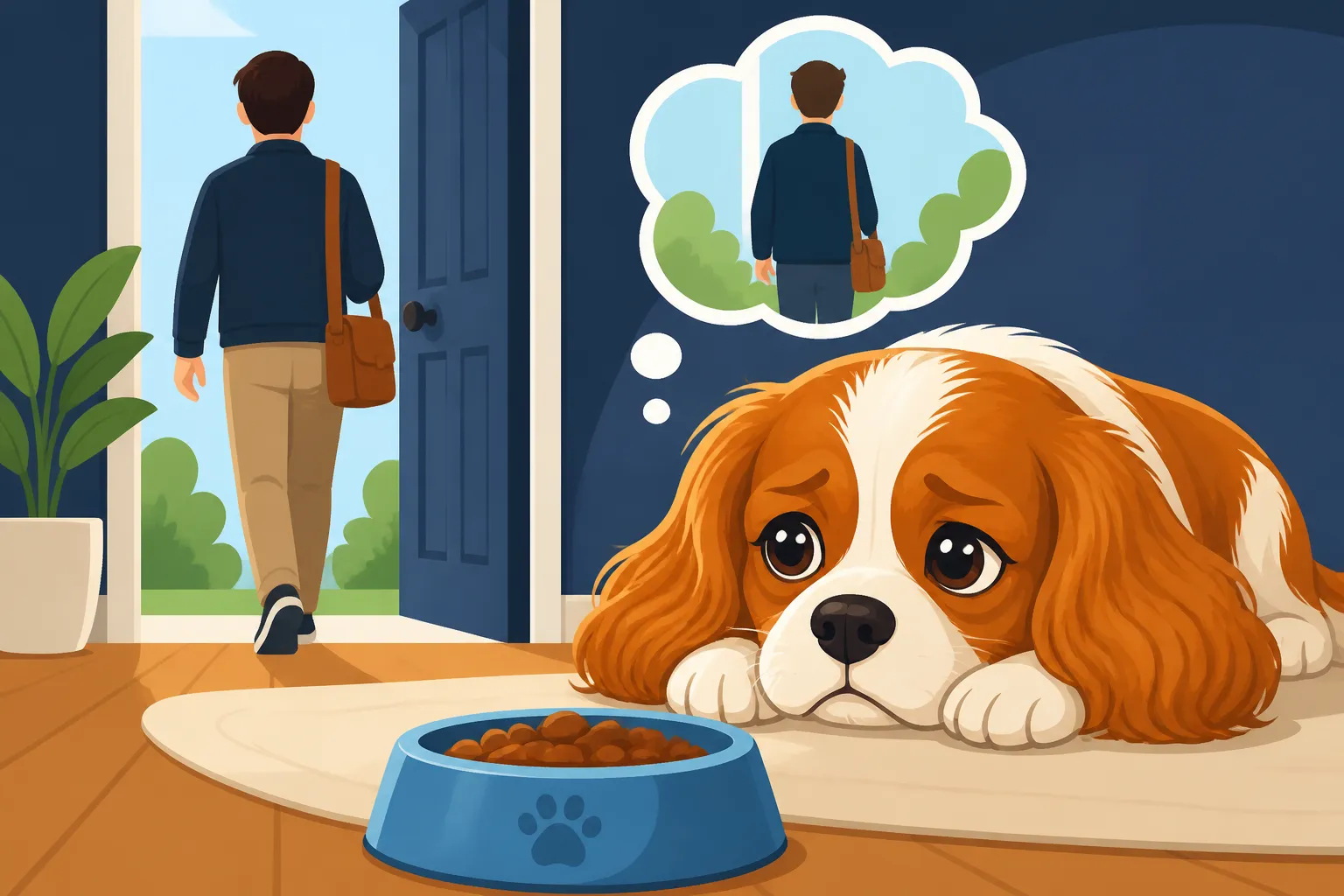
It's incredibly disheartening when you leave your beloved Cavalier King Charles Spaniel at home, perhaps for just a few hours, only to return and find their breakfast or dinner bowl untouched. This isn't just about wasted food; it’s a clear signal of distress, a silent protest that screams, "I missed you too much to eat without you!" This guide will help you understand why your Cavalier might be refusing food when you're gone and offer practical, empathetic strategies to help them feel safer and more comfortable eating in your absence.
Understanding Why Your Cavalier Won't Eat When You're Away
When your Cavalier King Charles Spaniel consistently ignores food while you're out, it's almost always a sign of emotional distress, most commonly related to separation anxiety. These little dogs are famously devoted, often called "Velcro dogs" for their desire to be constantly by their human's side. This deep bond, while wonderful, can lead to significant anxiety when that bond is broken, even temporarily.
The Emotional Roots of Food Refusal
Imagine being incredibly upset or scared; your appetite is probably the last thing on your mind, right? Dogs, especially Cavaliers with their sensitive natures, experience similar physiological responses to stress. When they're anxious or panicking about your absence, their "fight or flight" response kicks in. This floods their system with adrenaline and cortisol, which suppresses hunger. Their body is preparing for an emergency, not for digesting a meal. Eating becomes a low-priority function because all their mental and physical energy is focused on coping with the perceived threat of being alone. This isn't them being stubborn or manipulative; it's a genuine inability to calm down enough to eat.
For a Cavalier, being left alone can feel like the worst thing in the world. Their entire world revolves around you. If they're alone and anxious, they're likely pacing, whining, barking, or even trying to get out. In this heightened state, even their favorite kibble or a delicious treat won't appeal. It's not about the food itself; it's about the emotional context in which the food is presented – or, rather, not presented by you. You might also notice other behaviors like A Cavalier That Howls the Moment You Leave or A Cavalier That Chews Doorframes When Alone, which further confirm separation distress.
Learned Associations and Routine Changes
Sometimes, a Cavalier’s refusal to eat can stem from a learned association. Perhaps they've had an unpleasant experience while you were gone, or they've simply learned that food only appears or tastes good when you're there to supervise. Dogs are creatures of habit, and if their mealtime routine has always involved you being present, a sudden shift to eating alone can be disorienting and stressful. They might be waiting for your reassuring presence before they feel safe enough to eat. This learned behavior is often intertwined with their natural inclination towards companionship and security.
Consider if there have been any recent changes in your household routine, even subtle ones. A new work schedule, a different family member leaving or arriving at a different time, or even a change in the type of food or bowl can trigger anxiety in a sensitive Cavalier. These changes, combined with their already strong attachment, can solidify the belief that "eating only happens when my human is here to make things right." It's important to observe patterns: does it happen every time, or only after certain departures? Does it matter if it's breakfast or dinner? These details can offer clues.
Ruling Out Medical Causes
While separation anxiety is the most common culprit, it's always wise to rule out any underlying medical conditions. A sudden change in appetite can sometimes signal discomfort, nausea, or a more serious health issue. If your Cavalier is refusing food even when you are home, or if this behavior is accompanied by other symptoms like lethargy, vomiting, diarrhea, or changes in thirst, a veterinary visit is essential. Even subtle pain, such as from A Cavalier That Yelps When Picked Up due to a neck issue like syringomyelia, could suppress appetite.
Your vet can perform a thorough examination, including blood work, to ensure there isn't a physical reason for the food aversion. Sometimes, a dog might be feeling unwell but only truly lets their guard down enough to show symptoms when they're alone and stressed. Once medical issues are ruled out, you can focus confidently on behavioral modification strategies to address the separation distress. This two-pronged approach ensures you’re tackling the right problem, giving your Cavalier the best chance at recovery.
Strategies to Encourage Eating While You're Away
Addressing food refusal due to separation anxiety requires a gentle, patient, and consistent approach. The goal is to gradually build your Cavalier’s confidence and comfort level with being alone, demonstrating that your absence is not something to fear, and that good things can still happen when you're not there.
Creating a Positive Departure Routine
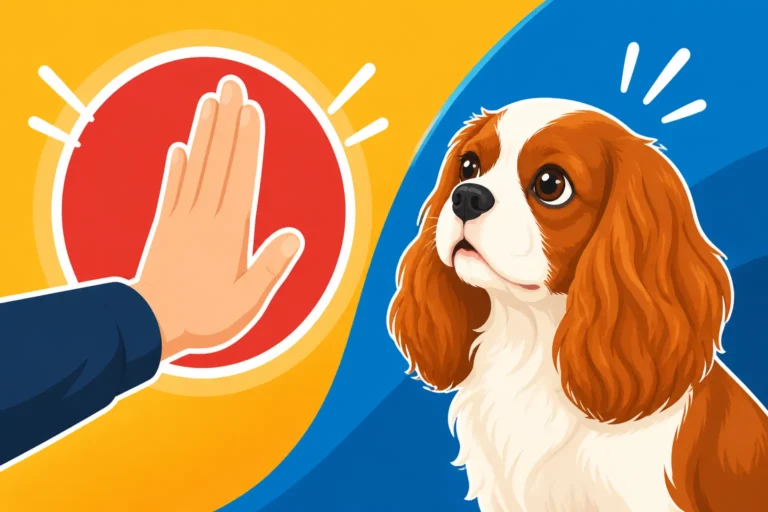
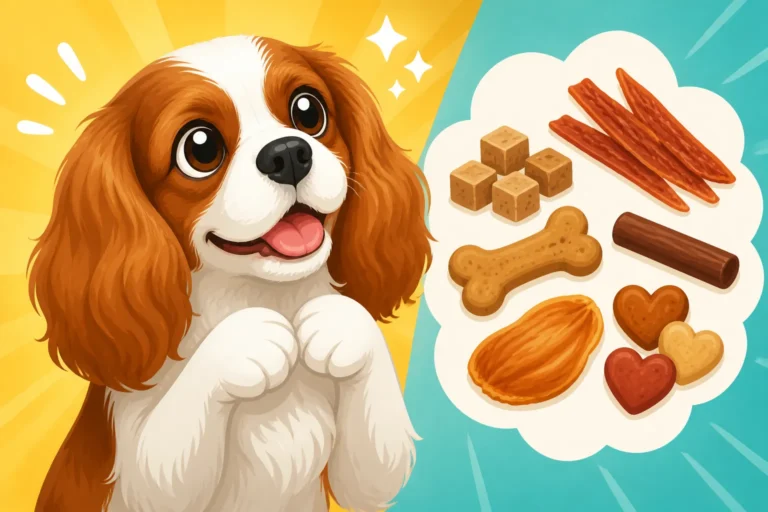
One of the most effective ways to help an anxious Cavalier is to change the emotional weight of your departure. Instead of making it a big, dramatic event, strive for a calm, uneventful exit. About 15-20 minutes before you leave, start ignoring your dog. Don't make eye contact, don't talk to them, and avoid any petting. This signals that your departure isn't a special occasion deserving of heightened emotion. Just before you walk out the door, offer a high-value, long-lasting treat that will keep them engaged for a while. This could be a Kong toy stuffed with peanut butter or cream cheese and frozen, or a Lickimat smeared with wet food. The idea is to associate your departure with a positive, engaging activity.
This isn't just about distraction; it's about counter-conditioning. Your dog learns that "you leaving" doesn't mean abandonment and panic, but rather "time for that awesome frozen treat!" Make sure the treat is something they absolutely adore and only get when you leave. Many owners find useful toys and long-lasting chews on Amazon, which can be invaluable tools for this step. Over time, this positive association can help reduce the anxiety spiral that prevents them from eating. Consistency is key here; every departure, even for a short errand, should follow this routine. Departure Routines That Calm a Cavalier can offer more insights into this critical phase.
Utilizing Enrichment and Puzzle Feeders
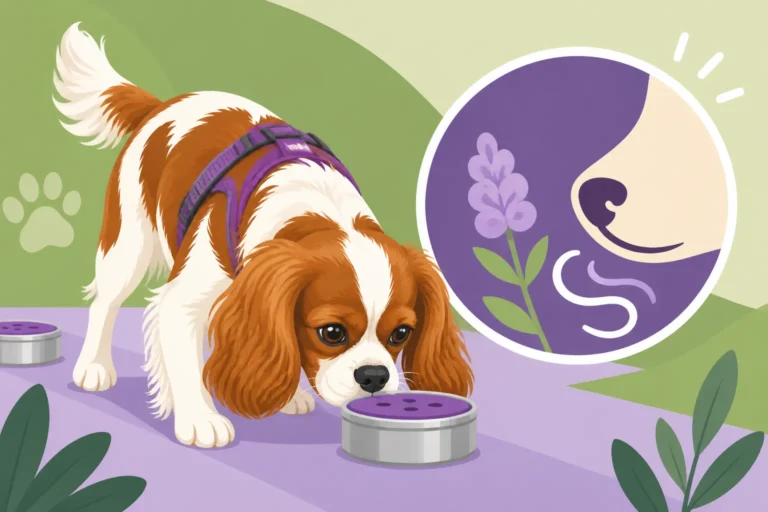
Puzzle feeders are fantastic tools for Cavaliers who refuse to eat when alone. They turn mealtime into a mental game, which can be very distracting and stimulating. The act of working for food can engage their brain, shifting their focus away from your absence and towards a rewarding task. This mental engagement can actually help reduce anxiety by providing an outlet for their energy and redirecting their focus. Start with simpler puzzles and gradually increase the difficulty as your Cavalier gets the hang of it. You can find a wide array of puzzle feeders, from basic dispensing balls to more intricate mazes, online.
| Enrichment Type | Description | Benefits for Anxious Cavaliers |
|---|---|---|
| Stuffed Kong | Rubber toy filled with treats, frozen peanut butter, or wet food | Long-lasting, mentally stimulating, encourages licking (calming) |
| Lick Mat | Textured silicone mat smeared with soft food or yogurt | Promotes licking (self-soothing), easy to prepare and clean |
| Snuffle Mat | Fabric mat with hidden pockets for dry kibble/treats | Encourages natural foraging behavior, engaging scent work |
| Puzzle Feeder | Device requiring manipulation to release food | Mental stimulation, problem-solving, slows down eating |
Introducing these while you are home is crucial. Let your Cavalier get comfortable and enjoy them in your presence first. Once they enthusiastically engage with the puzzle or stuffed toy, then you can introduce it as part of your departure routine. You want the toy itself to be a source of pleasure, not another trigger for anxiety because it only appears when you leave.
Gradual Desensitization and Alone Time Training
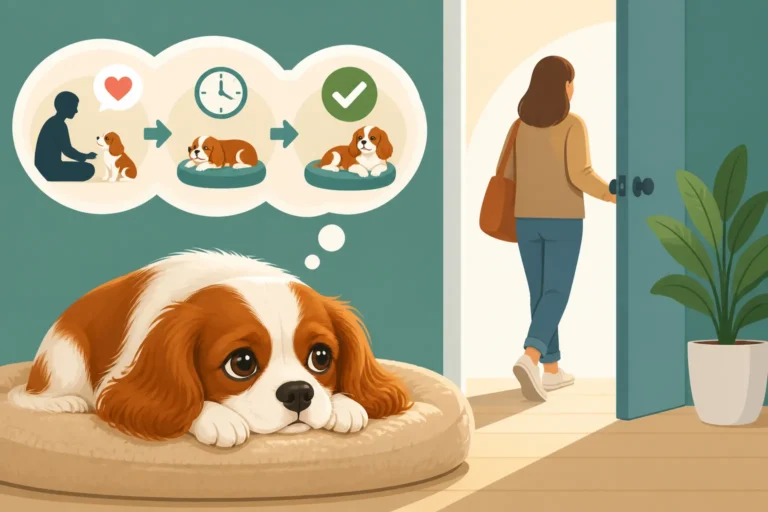
The core of overcoming separation anxiety is gradual desensitization. This means slowly increasing the amount of time your Cavalier is comfortable being alone, starting with very short durations. This process can be painstakingly slow, but it's vital for long-term success. Begin by leaving for mere seconds – just stepping out the door and immediately returning before your dog shows any signs of anxiety. Offer that special treat upon return, or if they took the departure treat, simply return calmly. Slowly, over days and weeks, increase the duration by tiny increments (e.g., Building From Thirty Seconds With a Cavalier). The goal is to keep them under their anxiety threshold.
During these short absences, it's incredibly helpful to use a pet camera to monitor their behavior. Many affordable options are available on Amazon. This allows you to see if they are eating the treat, relaxing, or starting to show signs of distress like pacing or whining. If they start to panic, you've gone too far too fast, and you need to backtrack. Don't worry if progress seems slow; consistency is more important than speed. The ultimate aim is to teach your Cavalier that your departures are temporary and always followed by your return, and that they are safe and can enjoy their food in the interim.
When to Seek Professional Help
While these at-home strategies can be very effective, some Cavaliers have such profound separation anxiety that professional intervention is necessary. Recognizing when to call in the experts isn't a sign of failure; it's a sign of a responsible and loving pet parent who wants the absolute best for their furry companion.
Consulting a Veterinary Behaviorist or Certified Trainer
If you've tried consistent positive reinforcement, enrichment, and gradual desensitization for several weeks without significant improvement, or if your Cavalier’s anxiety seems to be worsening, it's time to seek professional guidance. A veterinary behaviorist (a veterinarian with specialized training in animal behavior) or a certified professional dog trainer (CPDT) with experience in separation anxiety is your best resource. These professionals can accurately diagnose the severity of the anxiety and create a tailored behavior modification plan that fits your Cavalier's specific needs and your lifestyle.
A professional will look at the whole picture – your Cavalier’s history, temperament, daily routine, and your interactions. They can identify subtle triggers you might be missing and teach you advanced techniques for counter-conditioning and desensitization. They might also suggest specific tools or management strategies you haven't considered. For example, some online puppy training programs, like those offered by BAXTER & Bella, include foundational training that can support overall confidence, which indirectly helps with separation issues. While not a direct solution for severe anxiety, building a strong training foundation from puppyhood can make a huge difference in how a dog copes with being alone later in life.
Exploring Calming Aids and Medication
For severe cases of separation anxiety, behaviorists might recommend a combination of behavior modification and medication. Just as humans with anxiety or depression benefit from medication, some dogs need pharmacological support to get their anxiety levels down enough to even begin learning new coping mechanisms. Calming Supplements for an Anxious Cavalier or anti-anxiety medications prescribed by a vet can help modulate brain chemistry, making your Cavalier less reactive to triggers and more receptive to training.
Medication isn't a "magic pill" that solves the problem on its own; it's a tool used in conjunction with a comprehensive behavior plan. It helps create a window of opportunity for your Cavalier to learn that being alone isn't terrifying. Your veterinary behaviorist will discuss the pros and cons of different options, monitor your dog's response, and make adjustments as needed. This approach, though sometimes daunting for owners, can significantly improve your Cavalier’s quality of life and help them overcome their fear of being left behind. Remember to discuss Medication for Cavalier Separation Anxiety thoroughly with your vet.
Preventing Future Issues and Maintaining Progress
Once you've made progress in helping your Cavalier eat while you're away, the work isn't over. Prevention and consistent maintenance are crucial to ensure these issues don't resurface. Building a resilient, independent Cavalier starts with good habits from puppyhood, but it's never too late to implement these strategies.
Building Independence from an Early Age
If you have a young Cavalier puppy, proactively teaching them to be comfortable alone can prevent separation anxiety from developing. This means regularly scheduling short periods of alone time, even if you’re just in another room. Teach them that lying calmly in their bed or crate while you're occupied elsewhere is a rewarding activity. Provide engaging toys, practice short departures and returns, and avoid making a fuss every time you leave or come home. Enroll in online training programs like BAXTER & Bella from the beginning; they emphasize positive reinforcement and building a confident, well-adjusted dog, which are critical for preventing separation-related issues.
The key is to make alone time a normal, positive part of their routine, not something scary or exceptional. Ensure they have a safe, comfortable space, like a Choosing a Crate a Cavalier Will Rest In or a dedicated dog bed, where they can relax undisturbed. This early foundation of independence and security can save both you and your Cavalier a lot of stress down the line.
Consistent Reinforcement and Routine
Dogs thrive on routine and predictability. Maintaining a consistent daily schedule for feeding, walks, play, and alone time helps your Cavalier feel secure and understand what to expect. Even small deviations can be unsettling for an anxious dog. Continue to use your positive departure routine, even for short trips to the mailbox, and always provide that high-value enrichment item. This consistent reinforcement solidifies the message that alone time is safe and even enjoyable.
It's also important to manage your own emotions. If you feel stressed or guilty about leaving, your Cavalier will pick up on that. Projecting a calm, confident demeanor when you leave and return helps reassure them. Even when you're home, encourage periods of independent play or relaxation rather than constantly having them in your lap. This balance helps them build resilience. Should you be considering Living With a Cavalier That Panics When Alone, remember that managing their environment and your interactions is a continuous effort.
Monitoring and Adjusting
Even after significant progress, it's wise to continue monitoring your Cavalier’s behavior when you're away, perhaps with a pet camera, every now and then. Life changes, and what worked perfectly last year might need tweaking now. Stressors like moving to a new home, a new pet, or a change in family dynamics can potentially trigger old anxieties. By staying vigilant, you can catch any regression early and address it before it escalates back to chronic food refusal.
Don't be afraid to adjust your strategy if needed. If a particular treat loses its appeal, switch to a new high-value option. If your dog seems more anxious one day, scale back the alone time. This journey with an anxious Cavalier is often a marathon, not a sprint, and requires ongoing flexibility and dedication. With patience and the right strategies, you can help your Cavalier overcome their anxiety and happily eat their meals, whether you're home or not.
Disclaimer
This article is for general informational purposes only and does not constitute professional advice. Laws, prices and regulations vary by location and change over time. Consult a qualified professional for guidance on your specific situation.