What a Cavalier Grooming Appointment Covers
Oh, the beloved Cavalier coat! It's famously silky, gorgeous, and absolutely luxurious when it's well-maintained. But let's be real, keeping that glorious mane looking its best isn't always a walk in the park. Between the feathering that catches every burr and the ears that love to dip into dinner, many Cavalier owners find themselves wondering exactly what a professional groomer does to transform their fluffy friend. This guide will take a deep dive into every aspect of a standard Cavalier grooming appointment, demystifying the process and helping you understand what to expect.
Why Professional Grooming Is More Than Just a Trim for Your Cavalier
When you think of dog grooming, you might picture elaborate cuts or drastic changes. But for a Cavalier King Charles Spaniel, professional grooming is often about maintaining health and cleanliness while preserving their natural beauty. It's a specialized art form that respects the breed's unique characteristics.
Understanding the Cavalier's Unique Coat
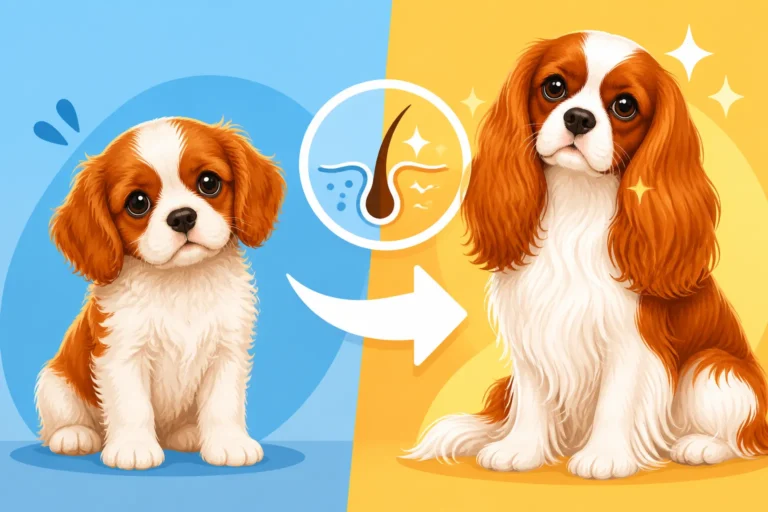
Cavaliers possess a single coat, which is a major distinction from many other breeds. Unlike dogs with thick undercoats, their hair is long, silky, and lies flat, often with profuse feathering on the ears, chest, legs, and tail. This absence of an undercoat means they don't "blow coat" in the same way a Husky or a Golden Retriever might. Instead, they shed lightly year-round, and their fine hair is incredibly prone to tangles and mats if not brushed regularly.
This unique coat type also means that traditional de-shedding treatments designed for double-coated breeds aren't really necessary or even suitable for a Cavalier. What they need is gentle but thorough brushing to prevent mats, maintain the silkiness, and distribute natural oils. A professional groomer understands this texture and will use the right tools and techniques to care for it without damaging the hair or irritating the skin. They know that this isn't a coat you "strip" or heavily thin; it's one you cherish and maintain.
The Challenges of Home Grooming a Cavalier
Many of us start with the best intentions, armed with a brush and a dream of a perfectly coiffed Cavalier. However, the reality of maintaining that luscious coat at home can quickly become overwhelming. The feathering, in particular, is a magnet for all sorts of debris – leaves, burrs, grass seeds – and mats can form seemingly overnight, especially in high-friction areas.
Areas like behind the ears, in the armpits, and on the long leg and paw feathering are notorious trouble spots. Trying to brush out stubborn tangles with an impatient pup can turn into a wrestling match, leading to pain for your Cavalier and frustration for you. Nail trims can be intimidating, and getting deep into those drop ears for cleaning can feel like a blind mission. Without the right tools, knowledge, and patience, it's easy to miss crucial spots or even cause discomfort, leading your Cavalier to dread grooming time. This is where a professional steps in, equipped to handle these specific challenges with expertise and calm.
What Happens During a Standard Cavalier Grooming Session
A professional grooming appointment for your Cavalier is a systematic process designed to address their specific needs from head to tail, ensuring they leave clean, comfortable, and looking their best.
The Initial Assessment and Consultation
The first step in any good grooming appointment for your Cavalier should always be a thorough consultation. This is your opportunity to speak directly with the groomer about your dog's temperament, any specific concerns you have, and what you'd like to achieve from the groom. A skilled groomer will take this time to do a hands-on assessment of your Cavalier's coat, checking for mats, skin conditions, lumps, parasites, and any signs of ear trouble. They'll gently run their fingers through the feathering, inspect the paw pads, and get a general sense of your dog's comfort level with being handled.
This initial conversation is crucial. Perhaps your Cavalier hates having their feet touched, or they've recently developed a new little bump you're curious about. Maybe you’re concerned about Mats Behind a Cavalier's Ear Leather or Mats in a Cavalier's Armpits and Groin. Open communication ensures the groomer can tailor their approach, using positive reinforcement for anxious areas or paying extra attention to a specific problem spot. It also helps set realistic expectations for the groom, especially if your Cavalier has significant matting that might require a shorter trim in certain areas for their comfort.
The Bathing and Drying Process
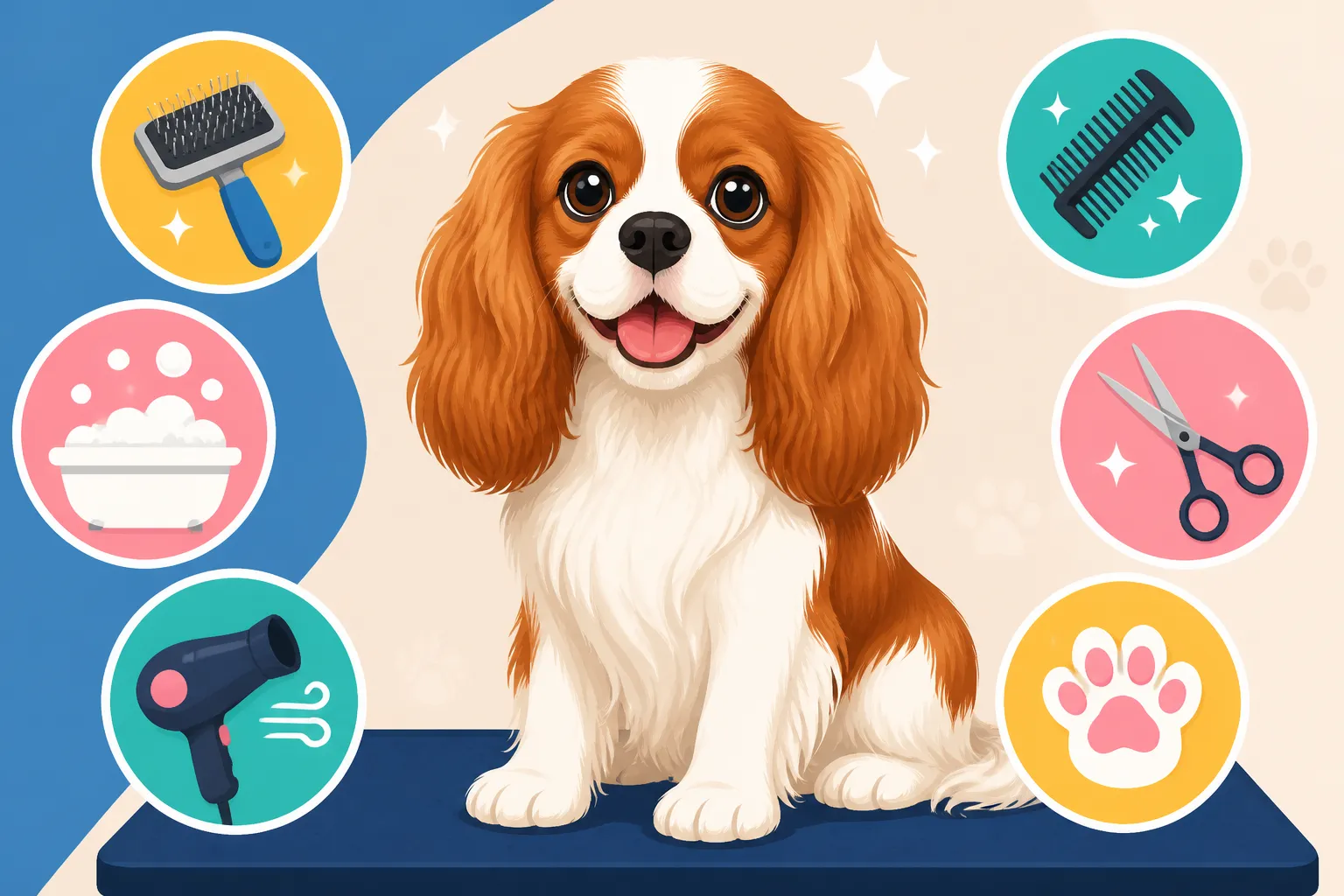
Once the assessment is done, it's bath time! For Cavaliers, this isn't just about getting wet; it's about using the right products and techniques to protect their delicate skin and enhance their silky coat. Groomers typically use professional-grade shampoos that are gentle, pH-balanced, and specifically formulated for sensitive skin or to enhance coat texture. If your Cavalier has any skin sensitivities or allergies, a good groomer will have hypoallergenic options available. The shampoo is usually followed by a high-quality conditioner to help detangle the long feathering and add shine and softness.
After a thorough rinse, the drying process begins, and this is where expertise really shines. Cavaliers cannot simply be air-dried, as their long hair will mat and curl. Professional groomers use specialized high-velocity dryers that gently but effectively remove water from the coat. These dryers are powerful enough to straighten the hair and prevent tangles, but used carefully to avoid frightening the dog or causing skin irritation. Many groomers will also use a stand dryer and careful brush-drying techniques, working section by section to ensure the coat is completely dry and smooth, setting the stage for easier brushing and tidying.
Brushing and Dematting Techniques
Brushing and dematting are perhaps the most critical components of a Cavalier's grooming appointment. This is where the skill and patience of a professional truly come into play. A good groomer will use a combination of slicker brushes and metal combs, like those you might find on Chewy or Amazon, chosen specifically for the Cavalier's fine, silky coat. They work methodically, section by section, starting from the ends of the hair and working their way up to the skin, making sure to get through all the feathering without causing pain.
For any mats or tangles, the groomer employs specific techniques to gently loosen them. This often involves using a detangling spray and carefully picking the mat apart with a comb, rather than pulling harshly. They understand that a Cavalier's skin is delicate, and tugging can be incredibly uncomfortable. If a mat is too tight or close to the skin to be safely brushed out, a groomer will honestly communicate this and suggest carefully clipping it out, always prioritizing your dog's comfort over preserving a small section of hair. It’s a delicate balance, and they're trained to achieve the best outcome with the least stress.
The Essential "Tidy Up" Services
Beyond the wash and brush, a significant portion of a Cavalier grooming appointment is dedicated to meticulous "tidy up" services that enhance comfort, hygiene, and overall well-being. These are often the tasks that home groomers find the most challenging or overlook.
Ear Cleaning and Inspection
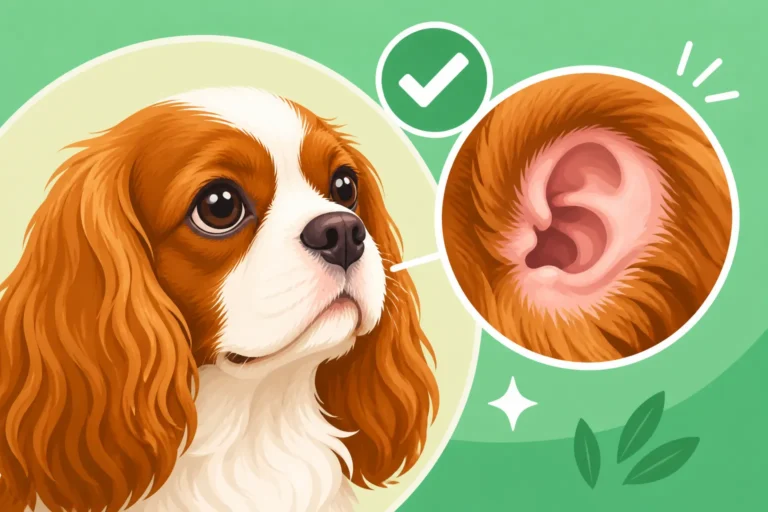
Cavaliers are renowned for their long, floppy drop ears, which, while beautiful, are unfortunately prone to trapping moisture, dirt, and debris. This creates a warm, dark environment that's perfect for yeast and bacterial infections to thrive. A professional groomer will thoroughly clean your Cavalier's ears using a gentle, veterinarian-approved ear cleaning solution. They carefully wipe away wax and debris from the outer ear canal and surrounding areas, avoiding cotton swabs which can push debris further in.
More than just cleaning, groomers also perform a visual inspection of the ears. They'll look for any signs of redness, inflammation, unusual odor, or discharge that could indicate an underlying infection, such as Cavalier Ear Infections and Why They Recur. If they spot anything concerning, they'll bring it to your attention, recommending a vet visit. This proactive approach can help catch potential issues early, saving your Cavalier discomfort and you a larger vet bill down the line.
Nail Trimming and Paw Pad Care
Nobody loves clipping dog nails, and a wriggly Cavalier can make it a nerve-wracking experience at home. Professional groomers are adept at this essential task. They'll trim your Cavalier's nails to a healthy, appropriate length, often using clippers or a dremel tool, depending on what your dog tolerates best. Keeping nails short is vital not only for your dog's comfort but also to prevent painful splaying of the toes and issues with gait. Don't forget the dewclaws, which, if left untrimmed, can curl back and grow into the paw pad, causing serious pain.
Additionally, groomers pay attention to the hair growing between your Cavalier's paw pads. This hair, if left untrimmed, can become matted, trap dirt, ice, or even cause your dog to slip on smooth surfaces. They'll carefully trim this hair flush with the pads, promoting better hygiene and traction. This small detail goes a long way in ensuring your Cavalier's paw health, which is critical for their daily walks and playtime. For more information on this process, see Trimming a Cavalier's Nails and Dewclaws.
Eye and Facial Cleaning
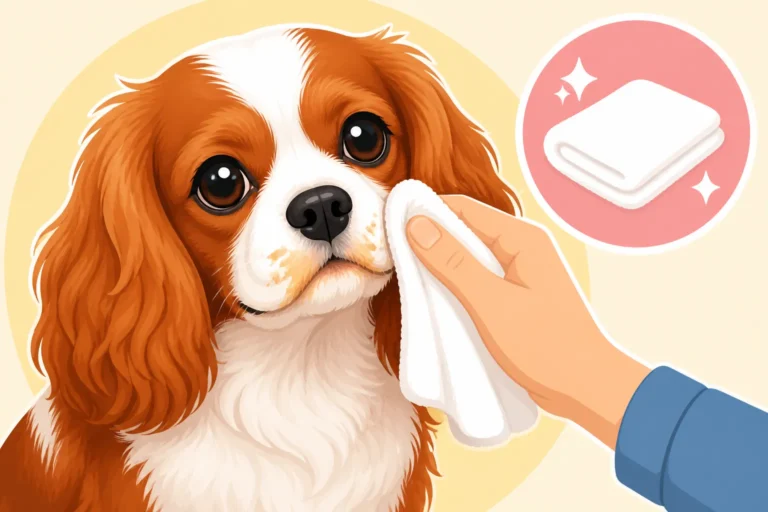
The large, expressive eyes of a Cavalier are one of their most charming features, but they can also be prone to tear staining, especially in lighter-colored Cavaliers like Blenheims. Excess tearing can lead to crust build-up and even skin irritation if not regularly cleaned. During a grooming appointment, the groomer will gently clean around your Cavalier's eyes, removing any crust, discharge, or tear stains using special wipes or solutions designed for pets.
They'll also inspect the eyes for any signs of redness, irritation, or foreign objects, which they will bring to your attention. For those with prominent tear stains, understanding how to manage them at home is key, and a groomer might offer tips or recommend specific products available on platforms like Amazon. This attention to detail around the face ensures comfort and prevents minor irritations from escalating. Check out Tear Staining on a White Cavalier Face for more on this common concern.
Sanitary Trim
This might not be the most glamorous part of the groom, but it's undoubtedly one of the most important for hygiene. A sanitary trim involves carefully trimming the hair around your Cavalier's private areas and under the tail. This prevents fecal matter from accumulating in the feathering, which is not only unhygienic but can also lead to skin irritation and odor.
A skilled groomer uses small, sterile clippers or scissors for this delicate area, ensuring the trim is neat and effective without being too close to the skin or causing discomfort. It’s a crucial step that contributes significantly to your Cavalier's cleanliness and overall health, especially for those with very profuse feathering. Learn more about this specific service in A Sanitary Trim on a Cavalier.
The Specifics of Cavalier Feathering and Styling
One of the most common anxieties for Cavalier owners approaching a groomer is the fear of their dog being shaved or clipped inappropriately. A reputable groomer who understands the breed will know that the Cavalier's natural coat is its crowning glory.
Preserving the Natural Look (The "Untrimmed" Standard)
The Cavalier King Charles Spaniel breed standard emphasizes a natural, untrimmed appearance, particularly regarding their beautiful feathering. This means a good groomer's primary goal isn't to give your Cavalier a "haircut" in the traditional sense, but rather to tidy and maintain their existing coat, allowing their natural elegance to shine through. They understand that those long, silky ear fringes, the abundant chest and leg feathering, and the plumed tail are hallmark features of the breed.
Therefore, you should expect a professional groomer to focus on line tidying rather than drastic cutting. This involves cleaning up stray hairs, shaping the feet to be neat and cat-like without taking off the important feathering, and ensuring the ear leathers are clean and free of excessive growth that might impede airflow. They will respect the natural fall and length of the coat, only trimming what is absolutely necessary for health, hygiene, or a very subtle, neatened appearance. For more on breed-specific trimming, see The Cavalier Feet the Standard Says Not to Trim.
When Trimming Might Be Necessary
While the natural look is paramount, there are specific, valid reasons why a groomer might suggest or perform some light trimming on your Cavalier's coat. The most common scenario is severe matting. If your Cavalier's coat, especially the feathering, has become so matted that it's painful or impossible to brush out safely, a groomer will advise carefully clipping out the matted areas. This is always done with the dog's comfort and welfare in mind, as pulling on tight mats can cause skin irritation, bruising, or even tearing. While it might mean a temporarily shorter patch of hair, it's a far kinder option than prolonged, painful dematting. Learn more about severe matting solutions in When a Matted Cavalier Has to Be Shaved.
Other instances might include tidying up the hocks (the area just above the paw on the back leg) or lightly shaping the ear fringe if it's consistently dragging in food and water, leading to hygiene issues or recurrent infections. Some owners also prefer a very subtle, neatened outline for presentation or easier maintenance, and a skilled groomer can achieve this without compromising the essential Cavalier silhouette. The key is that any trimming should be discussed beforehand, done sparingly, and always with a deep understanding of the breed's unique coat structure and natural beauty. A great groomer prioritizes maintaining the integrity of the coat as much as possible, only resorting to clipping when it genuinely benefits the dog.
Beyond the Basics: Health Checks and Extra Services
A professional groomer does much more than just make your Cavalier look good; they often serve as an extra pair of eyes and hands in monitoring your dog's overall health.
Early Detection of Health Issues
Think of your groomer as a frontline observer for your Cavalier's health. Because they handle and examine every inch of your dog during a grooming session, they are often the first to notice subtle changes that might escape your daily attention. This can include finding new lumps or bumps on the skin, identifying dry patches, excessive flakiness, or rashes that could indicate allergies or other skin conditions. They might spot fleas, ticks, or other parasites hiding in the feathering.
Groomers are also skilled at recognizing early signs of ear infections, such as redness, unusual odor, or sensitivity to touch. They'll also check your Cavalier's teeth and gums, noting any heavy plaque buildup or signs of dental disease. These observations are invaluable, as early detection often leads to more effective and less invasive treatment by your veterinarian. A good groomer will always communicate any concerns they find, empowering you to follow up with your vet promptly.
Optional Add-Ons and Specialized Treatments
Many grooming salons offer a variety of add-on services that can further enhance your Cavalier's comfort and well-being. While Cavaliers don't typically need heavy de-shedding treatments due to their single coat, some places might offer a "light de-shedding" brush-out which is essentially a very thorough brushing to remove loose hairs and prevent future mats.
Other popular options include specialized conditioning treatments to hydrate dry skin or add extra shine to the coat, paw balms or moisturizers to protect sensitive paw pads, and even tooth brushing services using pet-safe toothpaste. Some places might offer "blueberry facials" to help brighten and clean around the eyes, which can be helpful for those prone to tear stains. Discussing these options with your groomer can help you decide if any of these extra pampering steps are beneficial for your individual Cavalier's needs. For example, a high-quality fish oil supplement, perhaps found on Chewy, or a diet like Ollie that focuses on whole ingredients, can contribute greatly to skin and coat health, making these treatments even more effective.
Choosing the Right Groomer for Your Cavalier
Finding the perfect groomer for your Cavalier is a bit like finding the right doctor – you need someone skilled, patient, and who truly understands your dog's specific needs. It's an investment in their comfort and well-being.
Questions to Ask and Red Flags to Watch For
When you're searching for a groomer, don't be afraid to ask questions! Start by inquiring about their experience with Cavalier King Charles Spaniels specifically. Ask if they understand the breed standard and the importance of preserving the natural coat. A good question to gauge their knowledge is: What a Cavalier Groomer Should and Should Not Cut? Ask about their handling techniques – do they use positive reinforcement? How do they handle anxious or wiggly dogs?
It's also important to ask about their facility: Is it clean? What safety measures do they have in place? What products do they use? Red flags to watch out for include groomers who immediately suggest shaving down your Cavalier without a good reason (like severe matting), those who seem rushed or unwilling to answer your questions, or facilities that appear chaotic or unclean. You want a groomer who listens to your concerns, shows genuine care for your dog, and has transparent practices. Look for someone who encourages open communication and provides detailed feedback after the groom. For more advice on this, check out Finding a Groomer Who Knows Cavalier Coats.
Preparing Your Cavalier for the Grooming Experience
Even with the best groomer, a Cavalier's first few grooming appointments can be a big sensory experience. You can help prepare your pup by getting them used to being handled at home from a young age. Gently touch their paws, ears, and tail regularly. Practice short brushing sessions with a soft brush, making it a positive experience with treats and praise.
For puppies, consider starting with very short "puppy intro" grooms that focus on just a bath, brush, and nail trim, building up to full grooms over time. If your Cavalier is older and has never been professionally groomed, or has had a bad experience, discuss this with your chosen groomer. They might suggest multiple short visits to build trust and positive associations. Keeping up with basic Bathing a Cavalier Between Grooming Appointments and daily brushing at home will also make professional grooms much easier and less stressful for your dog, as there will be fewer mats to contend with and they'll be more accustomed to the tools and sensations.
Cavalier Grooming Services Breakdown
To give you a clear overview, here's a table summarizing the typical services covered in a professional Cavalier grooming appointment compared to common misconceptions.
| Service Category | What's Covered in a Professional Cavalier Groom | Common Misconceptions/What's Usually Avoided (unless necessary) |
|---|---|---|
| Coat Care | Thorough shampoo & condition, gentle blow-dry, full brush-out, dematting (if light) | Extensive clipping/shaving of the body coat, heavy de-shedding treatments (not needed) |
| Dematting | Careful, gentle work on tangles; safe removal of small mats with detangling sprays and combs | Painful pulling, aggressive brushing of large mats; ripping out hair |
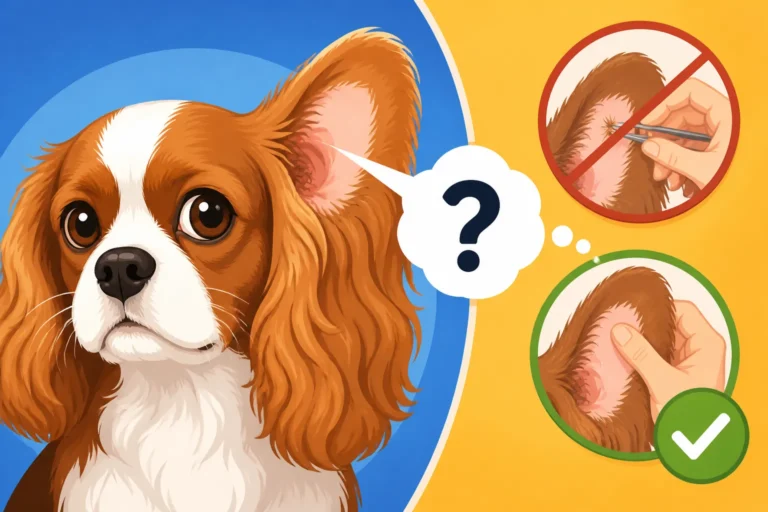
| Ear Care | Cleaning ear canal with appropriate solution, inspection for infection signs, trimming stray hairs around ear | Plucking ear hair (unless specifically requested/needed), harsh cleaning, ignoring issues |
| Nail & Paw Care | Clipping/dremeling nails to safe length, trimming paw pad hair, checking for discomfort | Leaving nails long, ignoring dewclaws, cutting too short to cause bleeding |
| Facial Care | Cleaning around eyes, removing tear stains & crust, wiping muzzle area | Harsh chemicals for tear stains, neglecting facial folds |
| Sanitary Trim | Careful trimming of hair around private areas for hygiene | Excessive trimming in these areas that could cause irritation |
| Feathering & Trim | Line tidying, neatening feet, minimal shaping to preserve natural look | Cutting off significant feathering from ears, legs, or tail; "shaved puppy cut" (unless for severe mats/medical reason) |
| Health Check | Visual inspection for skin issues, lumps, parasites, dental problems | Diagnosing illness, performing medical treatments |
Disclaimer
This article is for general informational purposes only and does not constitute professional advice. Laws, prices and regulations vary by location and change over time. Consult a qualified professional for guidance on your specific situation.