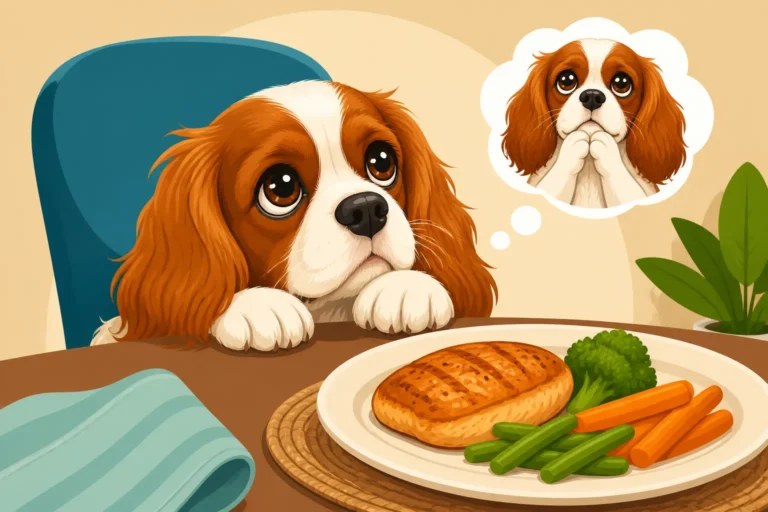
Whether Pill Pockets Suit a Cavalier’s Calories
Giving your sweet Cavalier a pill can feel like a covert operation, a battle of wits you often lose. Their charming, innocent eyes can turn into effective resistance tools when a tablet is involved, and for many of us, commercial pill pockets have become a go-to savior. They're convenient, palatable, and seem to make the whole process effortless. But, as with all shortcuts, there's a hidden cost – specifically, a caloric one. This guide will help you navigate the world of pill pockets, understanding their impact on your Cavalier's waistline and overall health, and explore smarter ways to administer medication without adding unnecessary pounds.
The Dilemma of Pill Pockets for Cavaliers: Convenience vs. Calories
It's a common scene: you've got a tiny pill, a nervous Cavalier, and the clock is ticking for their medication dose. The ease of popping that pill into a treat designed to disguise it is incredibly appealing. But for a breed as prone to weight gain and specific health issues as our beloved Cavaliers, this convenience often comes at a price in the form of extra calories.
Why Pill Pockets are So Tempting for Owners
Let's be honest, nobody enjoys wrestling a pill into a dog's mouth. The struggle can be messy, stressful for both you and your Cavalier, and sometimes downright impossible. This is where pill pockets shine. They're often soft, malleable, and come in flavors that dogs find irresistible – peanut butter, chicken, bacon, you name it. The moment you offer one, your Cavalier often gulps it down before they even realize there's medicine inside. This saves you frustration, saves your dog from a negative experience, and makes the whole routine a breeze. For dogs on daily medications, or multiple medications, this peace of mind is invaluable. We've all been there, standing over our dog with a pill in hand, feeling the dread of the impending struggle, and a simple pill pocket feels like a miraculous solution.
Understanding a Cavalier's Caloric Needs
Cavalier King Charles Spaniels are not large dogs; the breed standard typically calls for them to weigh between 13 and 18 pounds. This small stature means their daily caloric needs are relatively low. Every extra treat, every sneaky bite, and yes, every pill pocket, accounts for a larger percentage of their daily intake than it would for a much bigger dog. Cavaliers also have a genetic predisposition to certain health conditions, notably Mitral Valve Disease in the Cavalier King Charles Spaniel, which can be exacerbated by excess weight. A few extra pounds on a Great Dane might be negligible, but on a Cavalier, it can translate to significant strain on their joints, organs, and particularly their heart. It's a cruel irony that the very thing making them feel better – their medication – could contribute to a problem if not given thoughtfully. For more insight into managing their weight, check out Calorie Needs for an Eighteen-Pound Cavalier.
Breaking Down the Caloric Impact of Pill Pockets
When we're focused on getting that pill down, it's easy to overlook the nutritional information on the back of the pill pocket package. But a closer look often reveals that these convenient morsels aren't just empty calories; they can be quite dense, and those calories accumulate faster than you might think.
The Hidden Calories in Commercial Pill Pockets
Commercial pill pockets, like those from popular brands you might find at Chewy or on Amazon, are designed to be tasty and enticing. To achieve this, they often contain ingredients that are high in fat, sugar, or other calorie-dense fillers. While a single small pill pocket might seem insignificant, carrying anywhere from 10 to 30 calories (depending on the brand and size), it can add up quickly. Think about it: a Cavalier on 300 calories a day, for example, could be getting 10% or more of their daily allowance from one pill pocket. Many varieties are formulated with flavors like peanut butter, chicken, or cheese, which means they contain fats and proteins to make them palatable. While these aren't inherently bad ingredients, their concentration in a small, treat-like form makes them calorically significant.
How Often Are You Using Them? The Cumulative Effect
The real issue isn't just the calorie count of a single pill pocket, but the frequency with which they are used. Imagine your Cavalier is on medication for How Cavalier Heart Disease Progresses Stage by Stage, requiring multiple pills twice a day. That's potentially two pill pockets in the morning and two in the evening, every single day. Four pill pockets, even at the lower end of the calorie spectrum, could easily be 40-60 extra calories. Over a week, that's 280-420 calories. Over a month, it's over a thousand extra calories! For a small dog with limited caloric needs, this is a substantial amount. It can make all the difference between maintaining a healthy weight and slowly but surely creeping into overweight territory. This cumulative effect is often overlooked when we're just trying to make our dog's life easier.
Here's a quick look at various pill-hiding methods and their typical caloric implications:
| Method | Caloric Impact (per use) | Ingredients | Ease of Use | Notes |
|---|---|---|---|---|
| Commercial Pill Pockets | Moderate to High | Grains, fats, sugars, animal proteins | Very Easy | Convenient, but calories add up quickly. |
| Small Dab of Peanut Butter | Moderate | Peanuts, oils, sugar (check label for xylitol!) | Easy | Use sparingly, must be xylitol-free. |
| Small Piece of Lean Meat (cooked) | Low | Lean protein | Moderate | Needs preparation, but highly palatable and low calorie. |
| Small Piece of Cheese | Moderate | Dairy fat, protein | Easy | Can be high in fat/sodium; use very small amounts. |
| Plain Unsweetened Pumpkin Purée | Very Low | Fiber, water | Moderate (can be messy) | Good for digestive health, minimal calories. |
| Direct Pilling | Zero | N/A | Difficult (requires skill & cooperation) | No added calories, but can be stressful if not done right. |
| Compounded Flavored Medication | Varies | Medicine, flavorings, carrier liquid/paste | Easy | Prescription only; specific calorie info from vet/pharmacy. |
Health Implications of Excess Calories for Cavaliers
We touched on this already, but it bears repeating: for a Cavalier, maintaining a healthy weight is not just about aesthetics; it's a critical component of their overall health and longevity. Those "hidden" calories from pill pockets, if not accounted for, can lead to serious health consequences that worsen existing conditions or even create new ones.
The Link Between Weight Gain and Cavalier Health Issues
Cavaliers are predisposed to several health problems, and being overweight or obese can significantly aggravate many of them. Heart disease, particularly MVD, is a major concern for the breed. Cavalier Weight Gain and What It Costs the Heart isn't just a catchy phrase; it's a stark reality. An overloaded circulatory system struggling to pump blood through an overweight body puts immense strain on an already compromised heart. Every extra pound means more tissue for the heart to supply with blood, increasing its workload. This can accelerate the progression of heart disease, lead to earlier onset of symptoms like coughing or lethargy, and ultimately shorten their lifespan.
Beyond the heart, extra weight also puts undue stress on their joints, potentially worsening conditions like Loose Kneecaps in a Thirteen-Pound Cavalier or contributing to Early Arthritis in a Cavalier's Elbows. It can also increase the risk of diabetes, pancreatitis, and generally reduce their quality of life, making them less active and prone to heat intolerance. The goal is always to keep our Cavaliers in prime condition, and weight management is a huge part of that.
When Every Calorie Counts: Cavaliers on Special Diets
The caloric impact of pill pockets becomes even more critical when your Cavalier is on a special diet. If your vet has prescribed a specific food to manage weight, diabetes, or even heart disease – such as a Prescription Cardiac Diets for a Cavalier – every single calorie needs to be carefully monitored. The precise formulation of these diets is designed to provide optimal nutrition while managing specific health markers. Introducing high-calorie pill pockets can completely undermine the therapeutic benefits of the diet.
Imagine painstakingly measuring out your Cavalier's special food, only to add several extra pill pockets a day. You might be inadvertently negating the calorie restriction or the low-sodium benefits your vet intended. It's like being on a strict diet yourself and then adding a handful of cookies every time you take a vitamin. It simply doesn't work. Before using any pill pocket or treat, especially if your Cavalier is on a prescription diet, always consult with your veterinarian to ensure it won't interfere with their treatment plan.
Smarter Strategies for Pilling Your Cavalier (Beyond Traditional Pill Pockets)
The good news is that you don't have to choose between a stress-free pilling experience and your Cavalier's healthy weight. There are plenty of creative, calorie-conscious ways to give medication without resorting to high-calorie commercial options. It just takes a little thought and, sometimes, a bit of DIY spirit.
DIY Pill Pockets: Customizing for Calorie Control
The beauty of making your own pill pockets is that you have complete control over the ingredients and, therefore, the calorie count. The key is to use a tiny amount of a highly palatable, low-calorie food item that can easily mold around the pill.
- Lean Meat: A minuscule piece of cooked chicken breast (unseasoned, of course) or turkey. Just enough to wrap the pill. You can even moisten it slightly to make it more pliable.
- Plain Unsweetened Pumpkin Purée: A tiny dollop (less than half a teaspoon) works wonders for some dogs. It's low in calories, high in fiber, and dogs generally love the taste. You can find this canned, or even in pouches if you look at specialty pet stores or sites like Chewy.
- A Tiny Bit of Cream Cheese: Again, think pea-sized. The stickiness helps hold the pill, and the flavor is usually a hit. Choose a low-fat version if possible.
- Banana or Cooked Sweet Potato: A small, soft piece can be molded around a pill. These are naturally sweet and many dogs enjoy them.
- Wet Dog Food: If your Cavalier eats wet food, a tiny bit from their regular meal portion can be molded around the pill. This way, you're not adding extra calories, just redirecting some of their existing meal allowance.
Remember, the goal is to use the absolute minimum amount needed to hide the pill. It's about distraction, not a full-blown treat. For tips on Getting Pills Into a Cavalier at Mealtime using their regular food, you might find more strategies.
Alternative Methods for Administering Medication
Sometimes, a pill pocket — homemade or otherwise — just isn't the right fit. Don't despair, there are other techniques:
- Direct Pilling: This is the no-frills approach. With practice and a gentle hand, you can learn to open your Cavalier's mouth, place the pill at the back of their tongue, close their mouth, and gently rub their throat to encourage swallowing. Follow with praise and perhaps a tiny, low-calorie treat they adore. If your vet can demonstrate this technique for you, it can be incredibly helpful.
- Pill Crusher and Mixing: For certain medications (always check with your vet or pharmacist first to ensure the pill can be safely crushed or opened), a pill crusher (easily found on Amazon) can turn a tablet into a powder. This powder can then be mixed into a tiny bit of wet food, unsweetened applesauce, or yogurt. The key is to use just enough to make it palatable without diluting the medication or adding significant calories. Be mindful that some medications taste bitter even when crushed.
- Compounded Medications: If your Cavalier is particularly difficult, or on long-term medication, talk to your vet about compounding pharmacies. These pharmacies can often turn medications into flavored liquids, chewable treats, or transdermal gels (applied to the skin) that are much easier to administer. While these might have a higher upfront cost, the stress reduction for both you and your dog can be priceless, and the caloric impact is often much lower than commercial pill pockets.
No matter which method you choose, always make it a positive experience with lots of gentle praise and affection. The goal is for your Cavalier to associate medication time with good things, not a fight.
Monitoring Your Cavalier's Weight and Condition
Ultimately, the best way to ensure your Cavalier stays healthy is through consistent monitoring of their weight and body condition.
- Regular Weigh-ins: Make it a habit to weigh your Cavalier regularly, perhaps once a month at home or during vet visits. Even small fluctuations can be a red flag.
- Body Condition Scoring: Learn how to assess your Cavalier's body condition. You should be able to easily feel their ribs without pressing hard, see a discernible waist when looking down from above, and notice a tuck-up in their abdomen from the side. If you can't feel their ribs, or they look round, it's time for adjustments. Your vet can show you how to accurately assess this. Feeling a Cavalier's Ribs Under Feathering can be trickier than it sounds due to their lovely coats!
- Adjusting Food Intake: If you do use pill pockets or other treats, remember to factor those calories into their daily food allowance. If they're getting an extra 50 calories from medication disguises, then their regular kibble portion needs to be reduced by 50 calories. It's a simple math equation that helps maintain balance. Don't fall into the trap of leaving a bowl of food down all day, as this can easily lead to overeating. Check out Why a Bowl Left Down Makes a Cavalier Fat for more on this.
By being mindful and proactive, you can ensure your Cavalier gets all the medicine they need without compromising their healthy weight and long-term well-being.
Disclaimer
This article is for general informational purposes only and does not constitute professional advice. Laws, prices and regulations vary by location and change over time. Consult a qualified professional for guidance on your specific situation.