The Health Debate Around Breeding Cavaliers
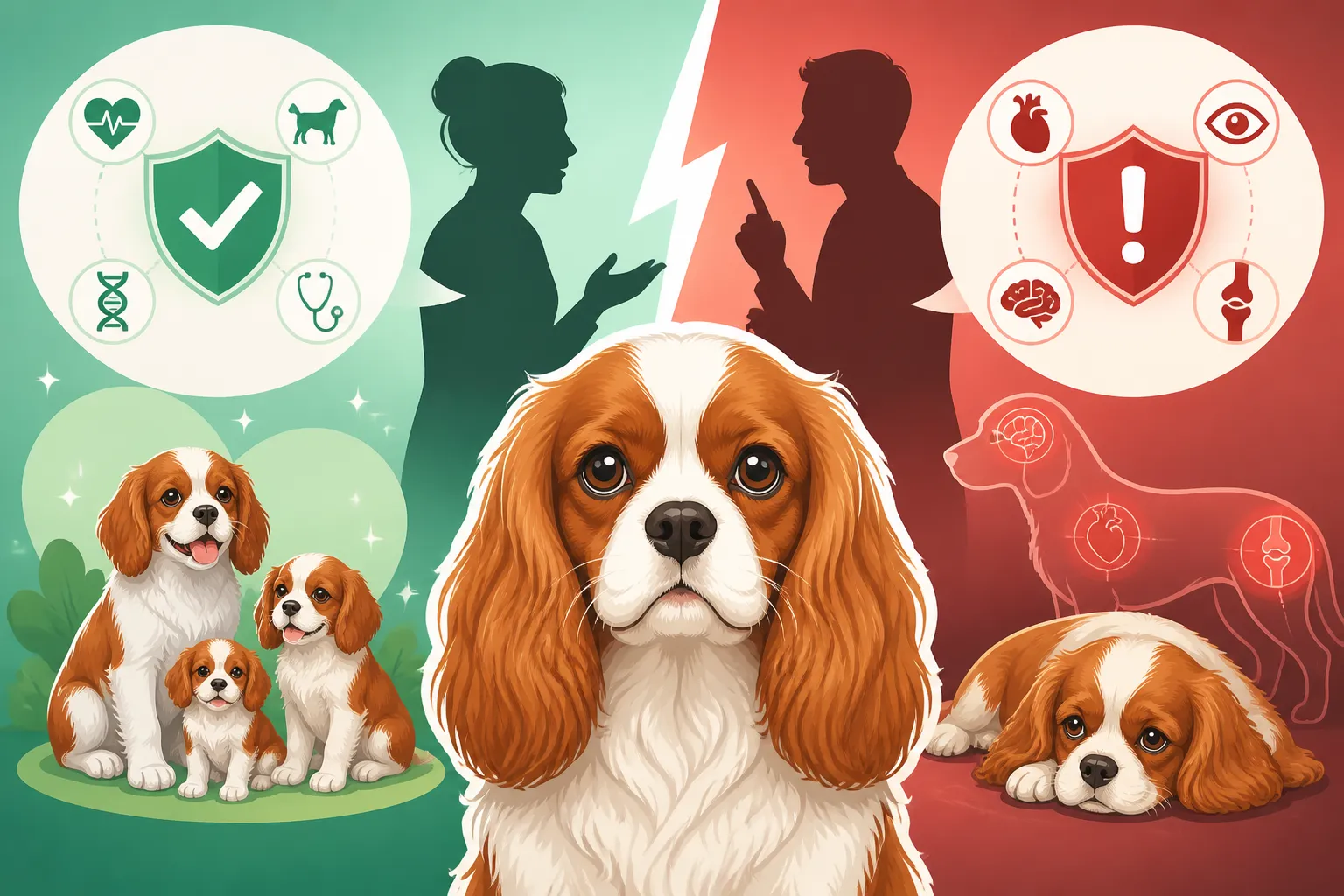
It's no secret that the Cavalier King Charles Spaniel, with their famously sweet nature and endearing looks, often steals our hearts instantly. However, behind those big, loving eyes lies a troubling truth: this breed is plagued by several devastating hereditary health conditions, prompting a serious and ongoing debate among owners, breeders, and veterinarians alike. This comprehensive guide will delve deep into the health challenges facing Cavaliers, exploring the most prevalent diseases, the ethical responsibilities of breeders, the efforts being made to improve the breed's health, and what committed owners can do to navigate this complex landscape.
The Heartbreaking Reality of Cavalier Health
The Cavalier King Charles Spaniel is, unfortunately, a poster child for inherited health issues. While every breed has its genetic predispositions, the sheer prevalence and severity of certain conditions in Cavaliers are staggering. Many prospective owners are completely unaware of the battles these little dogs often face, or they underestimate the profound impact these conditions can have on their dog's quality of life and their own wallets and hearts. It's a tough pill to swallow when you realize the breed you adore is in such a precarious health state.
Why Cavaliers Face Such Unique Health Challenges
A significant part of the Cavalier's health predicament stems from historical breeding practices and a relatively small gene pool. The breed faced near extinction in the early 20th century, leading to a bottleneck effect where a limited number of dogs were used to rebuild the population. This intense inbreeding, coupled with selection for specific aesthetic traits (like a very flat face, which often accompanies a skull too small for the brain), inadvertently amplified the prevalence of detrimental genes. The focus, for a long time, was on appearance rather than robust health, a decision that has haunted the breed for generations.
Furthermore, the very traits that make Cavaliers so appealing — their compact size, docile temperament, and charming features — are often linked to health vulnerabilities. For example, their beloved "velvet ears" make them prone to Cavalier Ear Infections and Why They Recur, and their slightly pushed-in faces, while not truly brachycephalic like a Pug, still contribute to issues. It's a cycle of unintended consequences, where what we love most about them is often what puts them at risk.
The Ethical Dilemma for Breeders and Owners
This grim reality places both breeders and owners in a difficult ethical position. For breeders, the question is how to produce healthy puppies while maintaining breed type, often balancing tradition with scientific advancement. Some breeders, unfortunately, prioritize profit or ribbons in the show ring over health testing and responsible breeding practices, perpetuating the problems. For owners, the dilemma involves choosing a puppy from a breeder, knowing the risks, or adopting a rescue with unknown health history. It's a heavy burden to carry, knowing your beloved pet may suffer from conditions that were entirely preventable.
The ethical considerations extend to the very future of the breed. Should we continue to breed Cavaliers as they are? Are drastic measures, such as outcrossing to other breeds, necessary to infuse new genetic diversity and health? These are not easy questions, and they ignite passionate debates within the Cavalier community, leaving many feeling frustrated and heartbroken by the slow pace of change and the persistent suffering of these wonderful dogs.
The Emotional and Financial Toll on Families
Living with a Cavalier with chronic health issues is incredibly challenging, both emotionally and financially. Witnessing your sweet companion struggle with pain from syringomyelia or gasp for breath due to advanced MVD can be utterly devastating. The constant worry, the sleepless nights, and the trips to specialists take an immense toll on families. It's not just about the medical bills; it's about the quality of life for your dog and the stress on your household.
The financial burden can be astronomical. Diagnostic tests like MRIs for syringomyelia or regular echocardiograms for MVD, combined with lifelong medications, can quickly deplete savings. Many owners find themselves making difficult choices about treatment options, often feeling guilty no matter what path they take. This is why understanding these potential costs and challenges before bringing a Cavalier home is absolutely critical, as is exploring options like Insuring a Cavalier Before the Murmur Arrives.
Mitral Valve Disease (MVD): The Cavalier's Achilles' Heel
Mitral Valve Disease, often shortened to MVD, is tragically the leading cause of death in Cavalier King Charles Spaniels. It’s a progressive degenerative heart condition that affects the mitral valve, one of the four valves in the heart. This valve normally prevents blood from flowing backward into the left atrium when the heart contracts. In Cavaliers with MVD, the valve thickens and deteriorates, failing to close properly, leading to a "leak" that worsens over time. It’s a terrifying diagnosis that far too many Cavalier owners will receive.
How MVD Develops and Progresses in Cavaliers
MVD in Cavaliers isn't just common; it's almost ubiquitous. It's an inherited condition with a complex, polygenic mode of inheritance, meaning multiple genes contribute to its development. What makes it particularly heartbreaking is its early onset compared to other breeds. Why Half of Cavaliers Have a Murmur by Five is a stark statistic that highlights this tragic reality. Many Cavaliers will develop a heart murmur, the first sign of MVD, by middle age, and for some, it starts even earlier.
The disease typically progresses through several stages. Initially, the leak is mild, causing minimal issues, often only detectable by a cardiologist using an echocardiogram. As the valve deteriorates, the leak becomes more severe, leading to the heart working harder and eventually enlarging to compensate. This enlargement can compress the airways, leading to a cough, and fluid can back up into the lungs, causing congestive heart failure. The progression is relentless, and while medication can manage symptoms, it cannot cure the underlying problem.
The Impact of Early Onset MVD on Lifespan
The earlier a Cavalier develops MVD, the more aggressive the disease tends to be, and the shorter their life expectancy becomes. A Cavalier diagnosed with a heart murmur at two or three years old faces a much tougher prognosis than one who develops a murmur at eight or nine. The heart simply has to work harder for longer, leading to more rapid deterioration. This early onset is precisely why responsible breeding is so crucial – to push back the age of onset, giving these dogs more healthy years.
When the disease progresses to congestive heart failure, the quality of life significantly declines. Dogs become lethargic, struggle to breathe, cough frequently, and may experience fainting spells. Managing this stage involves multiple medications, frequent vet visits, and constant vigilance. It's a difficult journey for both dog and owner, and understanding How Cavalier Heart Disease Progresses Stage by Stage can help prepare families for what lies ahead.
Screening and Diagnosis for MVD
Early and accurate diagnosis of MVD is paramount for managing the disease and for making informed breeding decisions. The first step is typically a veterinary stethoscope exam, where a vet listens for a heart murmur. However, a stethoscope alone cannot grade the severity or confirm MVD; it only detects the presence of a murmur. For a definitive diagnosis and staging, a referral to a board-certified veterinary cardiologist is essential.
The gold standard for diagnosing MVD is an echocardiogram, often accompanied by chest X-rays. An echocardiogram uses ultrasound to visualize the heart's structure and function, allowing the cardiologist to assess the severity of the valve leak, measure heart chamber sizes, and look for signs of heart failure. These tests are vital for determining when to start medication and monitoring progression. For breeders, regular cardiologist examinations and echocardiograms for breeding dogs, as outlined in The Heart Testing a Cavalier Breeder Must Do, are non-negotiable to prevent passing on this devastating disease.
Syringomyelia (SM) and Chiari Malformation (CM): A Silent Struggle
Beyond MVD, Cavaliers face another incredibly serious neurological condition called Syringomyelia (SM), which is almost always caused by Chiari-like Malformation (CM). This condition involves severe pain and neurological deficits and can dramatically reduce a dog's quality of life. It’s a silent struggle for many, as the signs can be subtle, easily misunderstood, and often progress slowly.
Understanding Chiari Malformation and Syrinx Formation
Chiari-like Malformation is a congenital condition where the Cavalier's skull is too small for its brain. Specifically, the back part of the brain, the cerebellum, gets squeezed and pushes through the opening at the base of the skull (the foramen magnum) into the spinal canal. This abnormal compression obstructs the normal flow of cerebrospinal fluid (CSF), leading to fluid-filled cavities, or "syrinxes," forming within the spinal cord. These syrinxes can expand, damaging the spinal cord from the inside out, causing excruciating pain and neurological dysfunction. It’s a complex and terrifying anatomical problem.
The exact mechanism by which CM leads to SM is still being researched, but the basic principle is that the constricted CSF flow creates pressure waves, essentially hammering the spinal cord and forcing fluid into its substance. The severity of the CM (how much the brain is herniated) doesn't always directly correlate with the severity of SM symptoms, which is another confounding factor for owners and vets. Some dogs with severe CM might have no symptoms, while others with mild CM can suffer immensely. What Chiari Malformation Does to a Cavalier Skull gives a more in-depth look into this structural abnormality.
Recognizing the Subtle Signs of SM Pain
One of the most challenging aspects of SM is recognizing its signs, as they can be incredibly varied and subtle. Many Cavaliers suffer in silence or exhibit behaviors that owners might mistakenly attribute to other issues. The most characteristic sign is "phantom scratching" or "air scratching," where the dog scratches at their shoulder, neck, or ear without actually making contact with their body. This isn't an itch; it's a neuropathic pain response.
Other signs can include sensitivity around the head, neck, or shoulders, yelping when picked up, reluctance to jump or use stairs, a change in temperament (becoming withdrawn or aggressive), head-rubbing, holding the head at an unusual angle, or weakness in the limbs. These symptoms can wax and wane, making diagnosis even harder. It's crucial for owners to be vigilant and aware of these indicators, as early intervention can significantly improve their dog's comfort. Phantom Scratching in a Cavalier is a common, distressing symptom that warrants immediate veterinary attention.
The Difficulties and Costs of Diagnosis and Management
Diagnosing SM definitively requires an MRI scan of the brain and cervical spine. This is a specialized and costly procedure that typically requires anesthesia. Owners often face the difficult decision of whether to invest in an MRI, especially when the symptoms are ambiguous. The results of the MRI will show the presence and size of any syrinxes, which helps veterinarians determine the best course of action.
Management of SM is primarily aimed at pain relief and symptom control, as there is no cure. Medications such as gabapentin, NSAIDs, and corticosteroids are commonly used to reduce pain and inflammation. In severe cases, where medical management isn't sufficient, surgical decompression to relieve pressure on the brain may be considered, though it comes with its own risks and high costs. What a Cavalier MRI Scan Costs and Shows can provide some insight into the financial commitment involved. Ongoing management can be lifelong and requires close collaboration with a veterinary neurologist.
Other Genetic Concerns Beyond Heart and Brain
While MVD and SM cast long shadows over the Cavalier King Charles Spaniel breed, they are far from the only genetic conditions to be aware of. Cavaliers are unfortunately susceptible to a range of other inherited health issues affecting their eyes, joints, and neurological system. A truly comprehensive health debate must address these broader concerns to ensure the holistic well-being of the breed.
Eye Conditions: Dry Eye and Cataracts
Cavaliers are prone to several eye conditions, some of which can significantly impact their vision and comfort. One notable condition is Keratoconjunctivitis Sicca (KCS), commonly known as "dry eye." This is an immune-mediated condition where the tear glands don't produce enough tears, leading to chronic irritation, redness, discharge, and if left untreated, corneal ulcers and potential blindness. It can be a very uncomfortable condition for affected dogs.
Another significant concern is hereditary cataracts, which can develop at various ages, from early onset (juvenile cataracts) to later in life. Cataracts cause the lens of the eye to become cloudy, impairing vision and, in severe cases, leading to blindness. Retinal dysplasia, retinal folds, and multifocal retinal detachments are also seen. Regular eye examinations by a veterinary ophthalmologist are crucial for early detection and management of these conditions. Cavalier Eye Disease From Dry Eye to Cataracts covers these issues in more detail.
Joint Problems: Luxating Patellas and Hip Dysplasia
Like many small breeds, Cavaliers can suffer from joint problems, with luxating patella (slipping kneecap) being quite common. This condition occurs when the patella (kneecap) dislocates from its normal position in the groove of the femur. It can cause a characteristic "skip" in their gait and lead to pain, lameness, and eventual arthritis. While sometimes mild, severe cases often require surgical correction.
Although less prevalent than in larger breeds, hip dysplasia can also affect Cavaliers. This condition involves an abnormal formation of the hip joint, leading to looseness and subsequent degeneration, pain, and arthritis. Responsible breeders screen their breeding dogs for both luxating patellas and hip dysplasia to minimize the risk of passing these structural issues to their offspring. Cavalier Knees, Hips and Joint Problems delves deeper into these musculoskeletal issues.
Episodic Falling Syndrome and Other Neurological Issues
Episodic Falling Syndrome (EFS) is a unique neurological condition specific to Cavalier King Charles Spaniels, often mistaken for epilepsy. Unlike seizures, dogs with EFS remain conscious during an episode. It's caused by a genetic mutation that results in muscle hypertonicity (increased muscle tone), leading to muscle stiffness and collapse, often triggered by excitement, exercise, or stress. It's truly startling to witness, as the dog appears to "freeze" or "fall over" while still mentally aware.
While EFS is less common than MVD or SM, it's a distressing condition that can significantly impact a dog's quality of life. Thankfully, a DNA test is available to identify carriers and affected dogs, allowing responsible breeders to avoid breeding two carriers together. Management often involves avoiding triggers and, in some cases, medication to reduce the frequency and severity of episodes. Episodic Falling Syndrome in a Cavalier offers more insight into this specific condition. Other less common neurological issues can also crop up, emphasizing the need for comprehensive genetic screening.
The Breeder's Responsibility: Ethical Practices and Health Testing
The core of the health debate around breeding Cavaliers ultimately rests with breeders. Their choices directly impact the health and well-being of future generations of puppies. Responsible, ethical breeding practices are the single most important factor in improving the breed's health outlook, moving beyond merely producing puppies to truly safeguarding the breed.
The Importance of Comprehensive Health Clearances
An ethical breeder prioritizes health over all else. This means performing comprehensive health clearances on all breeding dogs before they are bred. These clearances are not just a simple vet check-up; they are specialized tests performed by board-certified veterinary specialists. For Cavaliers, this includes regular cardiac exams by a cardiologist, including echocardiograms, to screen for MVD. Breeding dogs should ideally be clear of murmurs at a minimum age, often around 2.5 years, and certainly not bred if they have a significant murmur.
Furthermore, breeding dogs should undergo MRI screening for Chiari Malformation and Syringomyelia, with results assessed by a veterinary neurologist. Eye exams by a veterinary ophthalmologist are also essential, along with orthopedic evaluations for patellar luxation and hip dysplasia (OFA or PennHIP certifications). Genetic DNA tests for conditions like Episodic Falling Syndrome and Dry Eye/Curly Coat Syndrome are also crucial. A breeder who cannot provide proof of these clearances for both parents should raise a serious red flag. You wouldn't buy a car without checking its history; don't buy a puppy without checking its parents' health records. Reading a Cavalier Puppy's Health Certificates is a vital skill for prospective owners.
Understanding Breeding Protocols for MVD and SM
Beyond just performing tests, ethical breeders adhere to specific breeding protocols designed to reduce the incidence of MVD and SM. For MVD, the most widely accepted protocol recommends breeding only from dogs whose parents and grandparents have been screened clear of MVD. More specifically, dogs should ideally be at least 5 years old and clear of murmurs before being bred, though this can be challenging given the breed's MVD prevalence. The goal is to push the age of onset of MVD as late as possible.
For SM, breeders use MRI results to guide their decisions. Dogs with clear MRIs or very mild CM without syrinxes are preferred. Breeding two dogs with significant CM or SM is highly irresponsible. The Cavalier MVD Breeding Protocol is a critical guideline, emphasizing the need for late-age breeding from healthy lines. These protocols are not guarantees, but they significantly reduce the risk and demonstrate a commitment to improving breed health.
Avoiding Puppy Mills and Unscrupulous Breeders
The health debate is exacerbated by puppy mills and unscrupulous backyard breeders who prioritize profit over animal welfare. These breeders rarely perform any health testing, often breed young dogs, and house their animals in poor conditions. They contribute directly to the proliferation of genetic diseases, selling puppies that are predisposed to severe, costly, and painful conditions. Puppy mill puppies are often sold without proper documentation, health guarantees, or any transparency regarding the parents' health.
It is absolutely imperative for prospective owners to do their homework and avoid such sources. A reputable breeder will welcome questions, provide health clearances, allow you to visit their facility, and often have a waiting list for their carefully planned litters. They will also offer lifetime support for their puppies. Remember, a cheaper puppy often comes with a much higher price tag in vet bills and heartache down the line. Cavalier Puppy Scams and Fake Heart Certificates are unfortunately a common issue, highlighting the need for vigilance.
Protocols and Progress: Efforts to Improve Cavalier Health
Despite the significant challenges, many dedicated individuals and organizations are actively working to improve the health of the Cavalier King Charles Spaniel. These efforts range from established breeding schemes to cutting-edge genetic research, all aimed at giving these beloved dogs a healthier future.
Breeding Schemes and Their Effectiveness
Several organizations and breed clubs have implemented voluntary breeding schemes, often based on specialist health testing recommendations. These schemes typically provide guidelines on minimum ages for breeding, required health clearances (e.g., cardiologist checks, MRI scans, eye certifications), and sometimes even advise on pairing decisions to minimize genetic risk. The goal is to encourage widespread participation and provide a database of health-tested individuals.
The effectiveness of these schemes, however, varies. While they are invaluable tools for responsible breeders, their voluntary nature means not all breeders participate. Furthermore, conditions like MVD and SM are polygenic, meaning they involve multiple genes, making simple "clear or affected" breeding decisions more complex. Progress is often slow and incremental, requiring consistent effort over many generations.
The Role of DNA Testing in Reducing Genetic Disease
The advent of DNA testing has been a game-changer for several Cavalier health conditions. For single-gene disorders like Episodic Falling Syndrome and Dry Eye/Curly Coat Syndrome, a simple cheek swab can determine if a dog is clear, a carrier, or affected. This allows breeders to make informed decisions and completely eliminate these conditions from their lines by ensuring at least one parent is clear before breeding. If a carrier is bred to a clear dog, none of the puppies will be affected, though some may still be carriers.
Labs like Optigen, Animal Health Trust, and others offer these specific DNA tests. While DNA tests are incredibly effective for single-gene disorders, the challenge remains with complex conditions like MVD and SM, which are not caused by a single, easily identifiable gene mutation. Research is ongoing to identify genetic markers for these polygenic diseases, which could revolutionize screening in the future. In the meantime, physical exams and specialist imaging remain crucial. The DNA Tests Every Cavalier Should Have is an excellent resource for owners and breeders.
Outcrossing Programs: A Controversial Solution
One of the more radical and controversial approaches to improving Cavalier health is "outcrossing." This involves breeding a Cavalier King Charles Spaniel with a dog from an entirely different breed, with the specific intention of introducing new, healthier genes and increasing genetic diversity. The resulting offspring are then selectively bred back to Cavaliers over several generations, slowly reintroducing Cavalier traits while retaining the health benefits of the outcross.
This approach is highly contentious within the breed community. Proponents argue that the Cavalier's gene pool is so compromised that outcrossing is the only viable long-term solution to reduce the prevalence of devastating diseases. Opponents, however, worry about losing the unique "Cavalier type," temperament, and other characteristics that define the breed. They also point out the challenges of managing such a program and the risk of introducing new, undesirable traits or health issues. Regardless, outcrossing remains a topic of intense debate and occasional experimental programs, especially when considering Outcrossing Programs Aimed at Cavalier Hearts.
The Role of the Owner: Informed Choices and Ongoing Care
While breeders bear the primary responsibility for the health of future generations, owners also play a crucial role. Informed choices, proactive care, and financial preparedness are essential for ensuring the best possible life for your Cavalier and contributing to the overall improvement of the breed.
Choosing a Reputable Breeder: Your First Defense
Your single most important decision as a prospective Cavalier owner is choosing a reputable breeder. This is your first and best defense against inheriting devastating health problems. Don't rush into buying a puppy. Take your time, ask many questions, and be prepared to wait for a well-bred puppy. A good breeder will quiz you as much as you quiz them, as they are looking for lifelong, loving homes for their puppies.
Insist on seeing documentation for all health clearances for both parents, not just verbal assurances. Understand the difference between a general vet check and specialist cardiac or neurological exams. Ask about the breeder's philosophy, their experience with MVD and SM in their lines, and their long-term goals for the breed. Avoid breeders who sell multiple breeds, refuse to let you meet the puppy's parents, or have puppies available all the time. Your diligence here can save you years of heartache and thousands of dollars.
Early Detection and Proactive Management
Once you bring a Cavalier into your home, your role in their health journey continues. Regular veterinary check-ups are vital for early detection of any emerging health issues. Pay close attention to any changes in your dog's behavior, activity levels, or physical condition. Is your Cavalier coughing more at night? Are they suddenly sensitive to touch around their neck? Are they scratching without making contact? These could be early warning signs of MVD or SM.
If a health issue is detected, being proactive with management is key. This might mean starting a prescription diet for heart support, like those often found on Chewy, or adhering to a strict medication schedule for pain management. Work closely with your veterinarian and any specialists to develop a comprehensive care plan. Early intervention can often slow the progression of diseases and significantly improve your dog's quality of life. Even seemingly minor changes, like Coughing at Night in a Cavalier, warrant investigation.
Financial Preparedness for Potential Health Issues
Given the breed's predispositions, financial preparedness is not just advisable; it's essential for Cavalier owners. As discussed earlier, the costs associated with diagnosing and treating MVD, SM, and other conditions can be substantial. Setting up an emergency fund specifically for veterinary expenses is a wise decision. Even a relatively small contribution each month can build up over time to cover unexpected specialist visits or medication costs.
Pet insurance is another critical consideration for Cavalier owners, especially if you enroll your puppy early, before any pre-existing conditions develop. Carefully research policies that offer comprehensive coverage for hereditary and chronic conditions. Understand deductibles, reimbursement rates, and annual limits. While it won't cover everything, a good pet insurance policy can significantly offset the financial burden of managing a Cavalier's long-term health needs, allowing you to focus more on your dog's well-being and less on the rising bills. What Cavalier Heart Disease Costs to Treat provides a sobering look at potential expenses.
Looking Ahead: Can the Cavalier Be Bred Back to Health?
The question of whether the Cavalier King Charles Spaniel can truly be "bred back to health" is one that weighs heavily on the hearts of many. It's a complex issue with no easy answers, but ongoing efforts and a dedicated community offer a glimmer of hope.
The Challenges of Genetic Diversity and Popular Sires
One of the biggest hurdles in improving Cavalier health is the breed's limited genetic diversity. When a breed is descended from a small number of founders, harmful recessive genes become more concentrated within the population. This is further compounded by the "popular sire effect," where a highly successful male dog is bred extensively, passing on not only his desirable traits but also any hidden genetic vulnerabilities to a vast number of offspring. This can rapidly spread detrimental genes throughout the breed.
Addressing this requires careful planning and a willingness to step outside traditional breeding norms. Breeders need to prioritize genetic health over show ring success, select breeding partners based on diverse pedigrees, and avoid over-reliance on a few popular lines. This is a slow and deliberate process, requiring a long-term vision and commitment from the entire breeding community.
Collaborative Efforts Between Breeders, Vets, and Researchers
Progress in Cavalier health will ultimately come from collaborative efforts. Breeders, veterinarians, genetic researchers, and breed clubs must work together, sharing data, knowledge, and resources. Large-scale health databases can help identify patterns of disease and the effectiveness of various breeding strategies. Funding for research into the genetics of MVD and SM is crucial to develop better screening tools and, hopefully, even therapies.
Veterinary cardiologists and neurologists play a vital role not only in diagnosing and treating affected dogs but also in guiding breeding decisions through their expertise in interpreting health clearances. Organizations like the Cavalier King Charles Spaniel Club, USA (CKCSC, USA) and various health foundations are instrumental in promoting responsible breeding, educating owners, and supporting research initiatives.
The Future of the Cavalier King Charles Spaniel
The future of the Cavalier King Charles Spaniel hangs in a delicate balance. Without continued, dedicated effort, the health challenges could become insurmountable, potentially leading to a decline in the breed's popularity or even its long-term viability. However, with sustained commitment to ethical breeding practices, widespread health testing, continued scientific research, and informed owner choices, there is a path forward.
While it may not be possible to completely eliminate all hereditary diseases, the goal is to significantly reduce their incidence and severity, allowing the vast majority of Cavaliers to live long, healthy, and pain-free lives. The journey is long and arduous, but the unwavering love these sweet, empathetic dogs inspire in their families provides all the motivation needed to continue the fight for their health and well-being. Whether the Cavalier Can Be Bred Back to Health is a complex question that many are working tirelessly to answer affirmatively.
Cavalier Health Conditions at a Glance
For a clearer understanding of the health challenges, here's a quick overview of the most prevalent conditions:
| Condition | Primary Cause | Typical Onset Age | Primary Impact |
|---|---|---|---|
| Mitral Valve Disease (MVD) | Inherited (polygenic) | 3-8 years (often earlier than other breeds) | Heart failure, cough, fluid in lungs, reduced exercise, death |
| Syringomyelia (SM) | Inherited (Chiari Malformation) | 6 months – 7 years | Severe neck/head pain, phantom scratching, neurological deficits, paralysis |
| Episodic Falling Syndrome (EFS) | Inherited (single gene) | 3 months – 7 years | Muscle stiffening, collapse during excitement (conscious) |
| Luxating Patella | Inherited (polygenic) | Puppyhood – 2 years | Lameness, skipping gait, early arthritis |
| Dry Eye / Curly Coat Syndrome | Inherited (single gene) | Puppyhood | Chronic eye irritation, infections, corneal ulcers, blindness |
| Hip Dysplasia | Inherited (polygenic) | Puppyhood – adulthood | Pain, lameness, arthritis |
| Cataracts (Hereditary) | Inherited (polygenic) | Varies (juvenile to adult onset) | Vision impairment, blindness |
Disclaimer
This article is for general informational purposes only and does not constitute professional advice. Laws, prices and regulations vary by location and change over time. Consult a qualified professional for guidance on your specific situation.