Where Cavaliers Rank in AKC Popularity
It’s easy to feel like you see Cavalier King Charles Spaniels everywhere you go, isn't it? Their sweet faces and wagging tails seem to pop up in parks, on social media, and cuddled on laps in cafes, leading many to wonder just how popular these charming little dogs truly are. If you’ve ever found yourself curious about their standing in the canine world, particularly within official circles like the American Kennel Club, you've come to the right place. This guide will walk you through what AKC popularity rankings actually mean for our beloved Cavaliers, the journey they've taken to get there, and what their enduring appeal signifies for both the breed and prospective owners.
Understanding the AKC Popularity Rankings
When we talk about a breed's popularity according to the AKC, it’s important to understand what those numbers really represent. It’s not a survey of how many people like a breed, nor is it a precise count of every single dog of that type trotting around the country. Instead, these rankings offer a fascinating snapshot of breeding trends and owner choices within a specific, registered community.
What the AKC Rankings Actually Reflect
The AKC popularity rankings are essentially a tally of how many purebred puppies of a given breed are registered with the organization each year. Think of it as a barometer for demand among responsible, purebred breeders and buyers who value the pedigree and structure that AKC registration provides. A high ranking suggests that breeders are actively producing these puppies, and new owners are choosing to register them, often because they came from an AKC-registered litter or parentage.
This means that while a Labrador Retriever consistently ranks at the top, it reflects the sheer volume of registered Labradors being bred and adopted into homes. For a Cavalier, their position tells us about their desirability within the purebred dog community, indicating that many people are actively seeking out a Cavalier puppy from a breeder who participates in the AKC system. It gives us a window into what breeds are currently "in demand" for those who prioritize a recognized pedigree.
How the AKC Gathers Its Data
The American Kennel Club collects its data through a system of litter and individual dog registrations. When a reputable breeder has a litter of puppies from two AKC-registered parents, they register the litter with the AKC. Then, when each puppy goes to its new home, the new owner often registers that individual puppy, confirming its lineage and establishing its place in the AKC database.
It’s crucial to remember that this system has its limitations. Not every purebred Cavalier, or any purebred dog for that matter, is AKC registered. Many wonderful purebred dogs exist in homes without this official paperwork, perhaps adopted from a rescue, or bred by individuals who don't participate in the AKC system. Unfortunately, it also means that dogs from less-than-reputable sources, like puppy mills, are often not registered, or if they are, the papers might be misleading. So, while the AKC rankings are a valuable indicator of trends in registered purebred dogs, they don't capture the entire picture of dog ownership or the total number of Cavaliers out in the world.
The Cavalier's Journey Up the Popularity Ladder
The Cavalier King Charles Spaniel hasn't always been the widely recognized and adored breed it is today. Their path to prominence in the AKC rankings is a relatively recent story, marked by dedicated individuals and the undeniable charm of the breed itself.
The Cavalier's Relatively Recent AKC Recognition
Compared to some breeds with centuries of history and long-standing AKC recognition, the Cavalier King Charles Spaniel is a relative newcomer to the American Kennel Club. It might surprise you to learn that the breed wasn't fully recognized by the AKC until 1995. This meant that for decades, while Cavaliers certainly existed in the United States and had passionate fanciers, they weren't eligible to compete in AKC conformation events, nor were their puppies counted in the official AKC registration statistics.
The journey to full AKC recognition was a long and arduous one, championed by dedicated breed clubs and enthusiasts who worked tirelessly to establish the breed standard and ensure a robust and healthy foundation for Cavaliers in America. This collective effort, focused on promoting responsible breeding and upholding the integrity of the breed, ultimately paid off. Once When AKC Cavalier Registrations Opened, the breed began its steady ascent in public awareness and, consequently, in the popularity rankings. This initial period laid the groundwork for the widespread affection we see for Cavaliers today.
Factors Contributing to Their Rise in Popularity
So, what propelled the Cavalier King Charles Spaniel from a relatively obscure breed to a consistent contender in the top ranks? Several factors combined to make them an irresistible choice for countless families.
First and foremost is their undeniably charming and adaptable temperament. Cavaliers are often described as "Velcro dogs" for a reason – they thrive on companionship and want nothing more than to be by their human's side, following you Why a Cavalier Follows You Room to Room. They are typically gentle, affectionate, and friendly, making them excellent companions for individuals, seniors, and families with children alike. This sweet disposition means they generally settle well into various household environments, from apartments to larger homes.
Beyond their wonderful personalities, media exposure has also played a significant role. From being the beloved companions of celebrities to appearing in movies and television shows, Cavaliers have enjoyed their share of the spotlight. Seeing these adorable dogs on screen, often portrayed as loyal and loving, undoubtedly sparks interest in the breed. Furthermore, the increasing trend toward smaller dog breeds, especially in urban environments or for those with less sprawling living spaces, has made the Cavalier's compact size a huge advantage. They fit comfortably into smaller homes and are generally easy to travel with, making them ideal for modern lifestyles. This combination of an incredible temperament, undeniable cuteness, and suitability for diverse living situations has cemented their place as one of America's most cherished breeds.
Where Cavaliers Rank Today
While I can't give you an exact, real-time number (as that data changes constantly and isn't something I have access to live), I can speak to the consistent trends and general position of the Cavalier King Charles Spaniel within the AKC's annual popularity reports.
The Cavalier's Consistent Presence in the Top Tier
For many years now, the Cavalier King Charles Spaniel has maintained a strong and consistent presence within the top echelon of the AKC popularity rankings. They frequently land somewhere within the top 20, often hovering around the top 15, which is an incredibly impressive feat for any breed, let alone one that only gained full AKC recognition in the mid-1990s. This enduring appeal isn't a fluke; it speaks volumes about their widespread desirability and how perfectly they fit into many people's lives.
This high ranking clearly indicates a significant and sustained demand for Cavalier puppies from AKC-registered breeders. When a breed consistently maintains such a strong position, it means that a steady stream of new families are actively seeking out and bringing these wonderful dogs into their homes. For breeders, this translates to healthy waiting lists and a need to carefully manage their breeding programs to meet demand responsibly. It also highlights the breed's ability to capture hearts and minds year after year, proving their status as more than just a passing trend.
Comparing Cavaliers to Other Popular Breeds
To truly appreciate the Cavalier's standing, it helps to place them in context with other popular breeds. While they might not always challenge the absolute top spots, which are often dominated by large, multi-purpose breeds like Labrador Retrievers or German Shepherds, or the recent surge of breeds like the French Bulldog, their position among companion breeds is remarkable.
Among other toy breeds, the Cavalier holds its own exceptionally well. They often rank higher than or on par with other beloved small companions such as the Shih Tzu, the Pug, or even the miniature varieties of Poodles, though each of these breeds has its own dedicated following. The Cavalier's unique blend of cuddliness, adaptability, and relatively easy-going nature often gives them an edge for those seeking a devoted, loving, and manageable family pet. Unlike some toy breeds that can be more delicate or require very specific grooming or training routines, Cavaliers tend to be robust in spirit and eager to please, making them a very accessible and rewarding choice for many first-time dog owners or those looking for a gentle addition to their home. To give you a clearer idea of how Cavaliers compare, here’s a quick overview of some traits that make them so popular:
| Trait | Cavalier King Charles Spaniel | Common Top-Tier Breeds (e.g., Labs, Goldens) | Other Popular Toy Breeds (e.g., Poodles, Pugs) |
|---|---|---|---|
| Size | Small (13-18 lbs) | Medium to Large (55-80+ lbs) | Small (5-15 lbs) |
| Energy Level | Moderate | High | Varies (e.g., Poodle high, Pug low) |
| Exercise Needs | Daily walks, moderate play | Extensive daily exercise, mental stimulation | Varies, usually less than large breeds |
| Affection Level | Very High | High | High |
| Trainability | Eager to please, intelligent | Highly trainable | Intelligent, can be stubborn |
| Grooming Needs | Moderate (daily brushing) | Moderate (regular brushing) | Varies (e.g., Poodle high, Pug low) |
| Tolerance to Alone Time | Low (prone to separation anxiety) | Moderate | Varies, some low |
| Family Suitability | Excellent | Excellent | Good, depending on specific breed |
You can see that while Cavaliers Against the Other Small Companion Breeds often share some traits, the Cavalier's specific combination of small size, high affection, and moderate energy really hits a sweet spot for many families.
The Double-Edged Sword of Popularity for Cavaliers
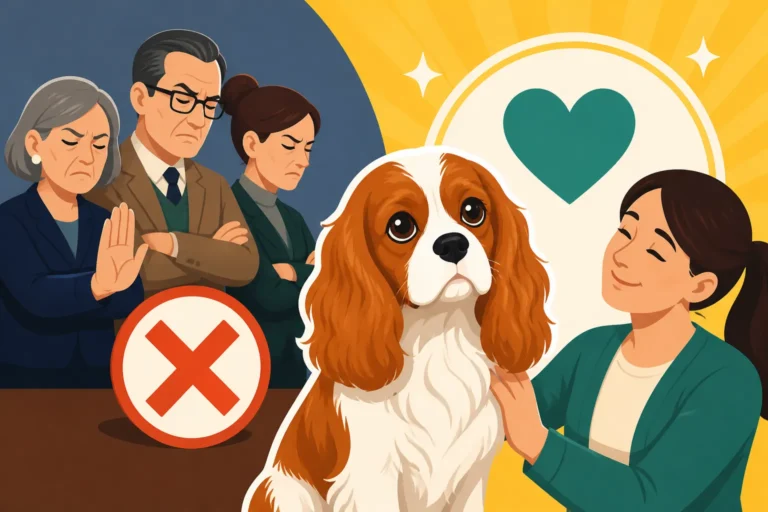
While it's wonderful that so many people recognize and appreciate the unique qualities of the Cavalier King Charles Spaniel, high popularity can be a bit of a double-edged sword for any breed. It brings both significant advantages and some serious pitfalls that prospective owners need to be aware of.
The Benefits: Increased Awareness and Resources
One of the undeniable benefits of a breed's popularity is the increased awareness it generates. More people knowing about and loving Cavaliers means more resources are often dedicated to their well-being. We see a proliferation of breed-specific clubs, rescue organizations, and online communities focused on the Cavalier King Charles Spaniel. This network provides invaluable support for owners, from educational resources about health and training to finding foster homes for Cavaliers in need.
Furthermore, increased popularity often translates to more veterinary research funding and a greater understanding of breed-specific health issues. For a breed known for certain genetic predispositions, like Mitral Valve Disease in the Cavalier King Charles Spaniel or Syringomyelia and Chiari Malformation in Cavaliers, this concentrated research effort is absolutely vital. You're also more likely to find experienced groomers, trainers who understand the Cavalier temperament, and veterinarians who are intimately familiar with their particular health concerns. This broad recognition also means that specialized products, like harnesses suited to a Cavalier's neck or particular small breed kibble, are more readily available. Stores like Chewy, for instance, often stock a wide array of products tailored to the needs of popular small breeds, making it easier for owners to find exactly what their Cavalier needs, from specific diets to comfortable beds.
The Downsides: "Puppy Mill" and Unethical Breeding Concerns
Unfortunately, where there is high demand and high prices, unscrupulous individuals often follow. The immense popularity of the Cavalier King Charles Spaniel has, sadly, made them a prime target for "puppy mill" operators and backyard breeders who are more interested in profit than in the health and welfare of their dogs. These individuals often cut corners, breeding without proper health testing, adequate veterinary care, or a focus on temperament.
The consequences of this kind of breeding are heartbreaking. Puppies from these sources often come with a host of health problems, from obvious physical ailments to hidden genetic conditions that may surface later in life. Temperament issues, such as extreme shyness, anxiety (including severe separation anxiety), or even aggression, can also be more prevalent due to poor socialization and genetic predispositions. It's a devastating reality that the desire for a cute, popular puppy can inadvertently fuel this unethical trade. This is why it's so critical to understand the long-term costs of a What a Puppy Mill Cavalier Really Costs You and to recognize the Warning Signs at a Cavalier Breeding Kennel. Always prioritize finding a truly responsible breeder who prioritizes the health and future of their puppies above all else.
Navigating the Popularity Landscape as a Prospective Owner
Given the Cavalier's prominent position in the popularity rankings, and the associated benefits and risks, how should a prospective owner approach bringing one of these lovely dogs into their life? The key lies in careful preparation, thorough research, and a commitment to supporting ethical practices.
The Importance of Due Diligence
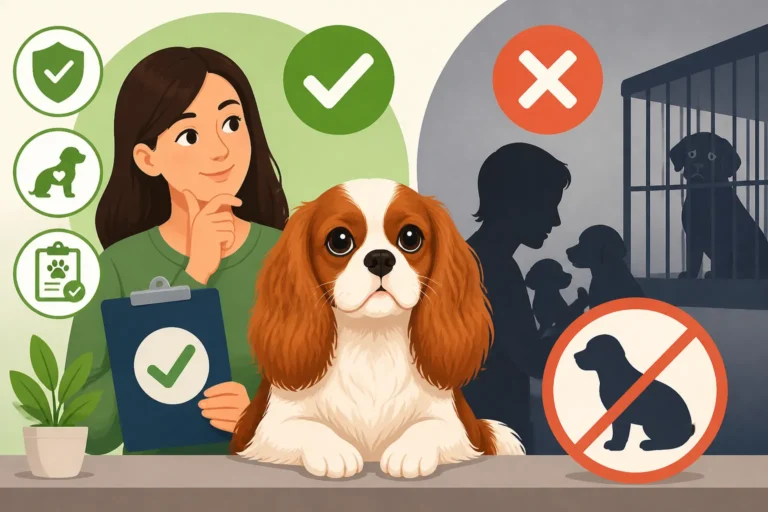
Never let popularity be your sole guide when choosing a dog. While it's lovely that so many people love Cavaliers, it doesn't guarantee that every Cavalier available is healthy or well-bred. It is absolutely paramount that you do your due diligence, conducting rigorous research into any breeder you consider. This means asking countless questions, visiting their facility (or engaging in thorough video calls if a visit isn't possible), and insisting on seeing health clearances for both parents.
A reputable breeder will be transparent about their dogs' health history and testing. They will be able to show you documentation for The Heart Testing a Cavalier Breeder Must Do, including current cardiologist exams and potentially MRI screenings for Syringomyelia and Chiari Malformation in Cavaliers for their breeding stock. Don't be shy about asking for The Cavalier Heart and MRI Papers to Ask For. A good breeder will welcome your questions and be eager to educate you about the breed's specific health concerns. They should also be able to explain the importance of waiting to breed until Why a Cavalier Should Not Be Bred Before Five for heart health. This kind of thoroughness is your best defense against inadvertently supporting unethical practices and is the cornerstone of ensuring you bring home a healthy, well-adjusted puppy.
Supporting Ethical Breeding Practices
Choosing to bring a Cavalier into your home is a significant decision, and supporting ethical breeding practices is perhaps the most important choice you can make. This often means being patient. Reputable breeders usually have waiting lists because they breed infrequently and carefully, prioritizing the health and temperament of their dogs. Joining Waiting Lists at Cavalier Breeders for a puppy from a Buying a Cavalier From a Health-Testing Breeder is a sign that you are making a responsible choice.
If a puppy isn't the right path for you, consider adopting from a Cavalier-specific rescue organization. These groups work tirelessly to rehabilitate and rehome Cavaliers who, through no fault of their own, find themselves in need of a new home. While What a Cavalier Rescue Asks Adopters to Pay is a factor, the benefit of giving a second chance to a dog in need is immeasurable. Rescues often provide thorough health evaluations and temperament assessments, helping to match you with a Cavalier that's a perfect fit.
Beyond the initial acquisition, continue to support ethical practices by choosing high-quality food, appropriate toys, and necessary supplies for your Cavalier. Reputable pet supply retailers, like Chewy, offer a wide range of products that cater to the specific needs of Cavaliers, from joint supplements for aging dogs to low-sodium diets for those with heart conditions. Making informed choices at every step ensures you're contributing to the overall health and well-being of this wonderful breed, rather than unknowingly perpetuating cycles of poor breeding.
Disclaimer
This article is for general informational purposes only and does not constitute professional advice. Laws, prices and regulations vary by location and change over time. Consult a qualified professional for guidance on your specific situation.