How Much a Cavalier Actually Sleeps
It's completely normal to wonder how much your Cavalier King Charles Spaniel actually sleeps. These little lovebugs are famous for their cuddly, placid nature, and sometimes it can feel like they're always napping. But how much is typical, and when might a change in sleep habits be a signal that something else is going on? This guide will dive deep into what constitutes normal sleep for Cavaliers at different life stages and help you understand when to simply enjoy their slumber versus when to pay closer attention.
Understanding Normal Cavalier Sleep Patterns
Cavaliers, like all dogs, have distinct sleep patterns that vary with age, activity level, and their individual personality. It’s not just one long stretch of sleep; it’s a mosaic of deep slumber, light napping, and short bursts of activity throughout the day and night. Knowing what’s typical for your Cavalier's stage of life is the first step in understanding their unique rhythms.
Puppy Sleep: Little Naps, Big Growth
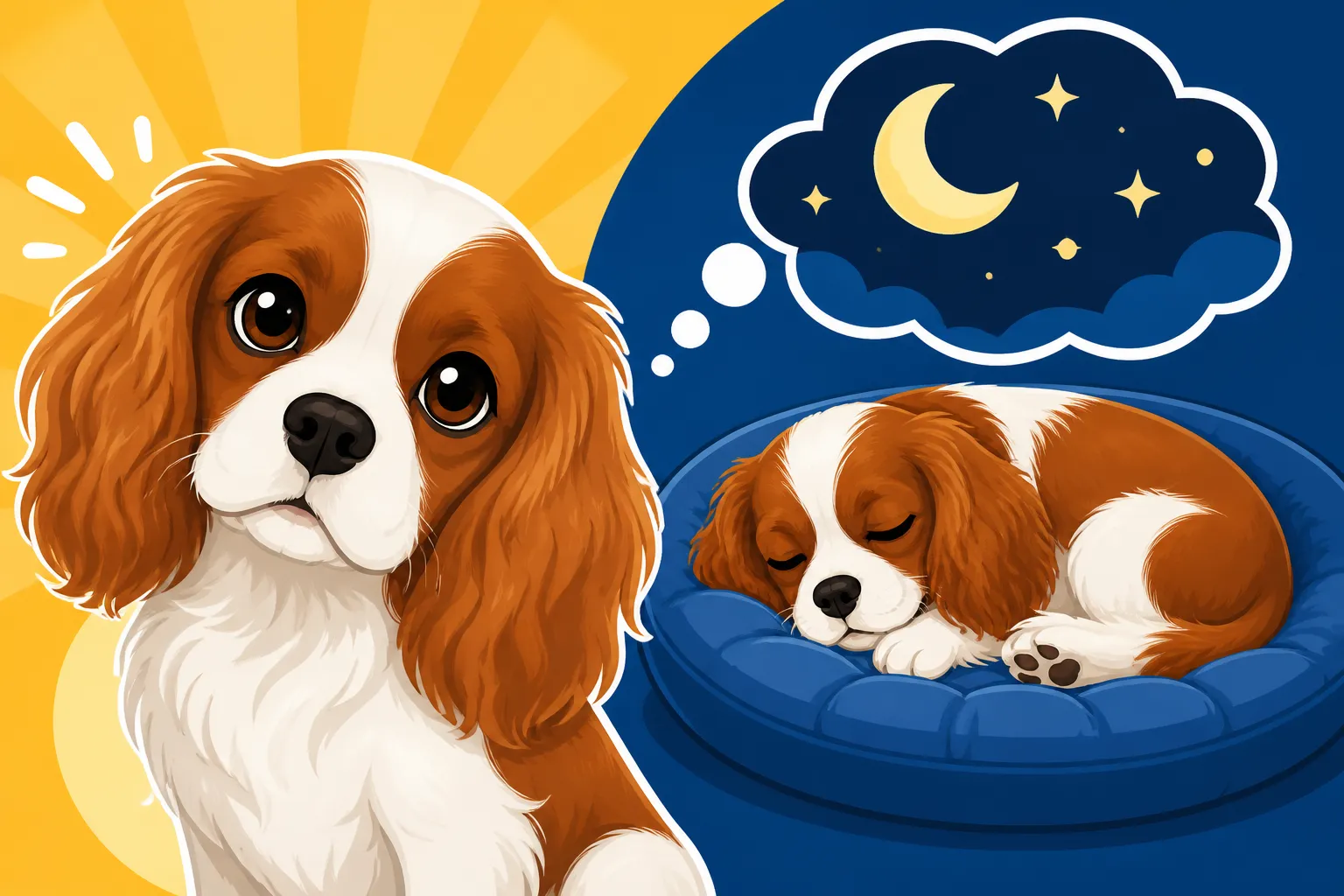
Oh, Cavalier puppies! They are bundles of enthusiastic energy one moment, zoomieing around the house, and then suddenly, they're collapsed in a heap, fast asleep. This rapid cycling between intense play and deep sleep is completely normal and, in fact, crucial for their development. A Cavalier puppy can easily sleep 18 to 20 hours a day, sometimes even more during a growth spurt.
Think about it: they are growing at an incredible rate, learning new things every single second, and their little bodies and brains need a lot of rest to process it all. These aren't always long, uninterrupted stretches of sleep, especially when they're very young and still mastering bladder control. You'll see them drop off instantly, often right in the middle of a toy, only to wake up 20 minutes later ready for another round of mischief. It's during these deep sleep cycles that their bodies release growth hormones and consolidate all the new information they've absorbed, like how to use the potty outside or what "sit" means.
As they mature slightly, these bursts of sleep might become a bit more predictable, often coinciding with quiet periods in the house. Providing a cozy, secure space, perhaps a crate or a soft bed from Chewy, can encourage them to settle into a good sleep routine. Don't worry if your Cavalier puppy seems to be sleeping a lot; it's exactly what they should be doing to grow into a healthy, happy adult.
Adult Cavalier Sleep: The Contented Companion
Once your Cavalier reaches adulthood, typically around 12 to 18 months, their sleep needs stabilize. An adult Cavalier King Charles Spaniel will generally sleep anywhere from 12 to 14 hours within a 24-hour period. This usually breaks down into a solid 8 to 10 hours overnight, plus several naps throughout the day.
These daytime naps are a hallmark of the Cavalier's contented, companionable nature. You'll often find them curled up on the sofa beside you, nestled in a dog bed in the same room, or even sprawled across your feet. They are famously known as "Velcro dogs" for a reason, and their sleep habits often reflect this desire to be close to their people. Why Cavaliers Are Called Velcro Dogs These aren't necessarily deep, REM-sleep naps; sometimes it's more of a dozing, where they can still hear what's going on around them, but they're getting their much-needed rest.
The exact amount of sleep can fluctuate based on their daily activity. A Cavalier who has had a stimulating walk, a good play session in the yard, or even a brain-game puzzle will likely sleep more deeply and for longer stretches than one who has had a more sedentary day. It’s all about balance: enough activity to tire them out, but not so much that they become overstimulated and struggle to settle.
Senior Cavalier Sleep: More Rest, Less Play
As your beloved Cavalier moves into their senior years, usually starting around age eight or nine, you'll notice a natural increase in their sleep requirements. A senior Cavalier might easily sleep 16 to 18 hours a day, sometimes even more. This isn't necessarily a cause for alarm; it's often just a normal part of the aging process, as their bodies require more rest to recover and maintain energy.
However, it’s crucial to distinguish between increased sleep due to old age and lethargy caused by an underlying health issue. While a senior Cavalier will naturally slow down and prefer more naps, they should still show interest in their favorite activities, enjoy meal times, and be happy to see you. If your older Cavalier seems unusually difficult to rouse, disinterested in food or walks, or appears generally unwell, it's time for a vet check-up. Conditions common in Cavaliers, such as Mitral Valve Disease in the Cavalier King Charles Spaniel or arthritis, can cause them to become less active and sleep more, but this is usually accompanied by other signs of discomfort or illness.
Comfort also becomes incredibly important for older Cavaliers. They might seek out warmer spots, softer beds, or prefer to lie in particular positions to ease achy joints. You might even notice them adjusting their sleep position more frequently or taking longer to get comfortable. Paying attention to these subtle cues and providing extra soft bedding or orthopedic beds can make a huge difference to their quality of rest. Caring for a Cavalier Past Nine
Factors Influencing a Cavalier's Sleep Habits
A Cavalier's sleep isn't just about their age; it's a symphony of factors, from their daily schedule to their physical environment and overall well-being. Understanding these influences can help you foster healthy sleep patterns and identify when something might be throwing their internal clock out of whack.
Daily Routine and Activity Levels
Just like us, Cavaliers thrive on routine. A consistent schedule for meals, potty breaks, and walks can significantly contribute to better sleep. When a Cavalier knows what to expect, their stress levels are lower, allowing them to relax and settle more easily. An erratic schedule, on the other hand, can lead to anxiety and disrupt their natural circadian rhythm, making it harder for them to fall and stay asleep.
Activity levels play a huge role. Cavaliers, while small, still have that spaniel hunting instinct in them, and they need appropriate physical and mental exercise to be truly content. Two good, brisk walks a day, plus some indoor playtime or training sessions, are usually sufficient. If a Cavalier isn't getting enough exercise, they might become restless at night, pacing or struggling to settle. Their minds also need a workout! Engaging their brains with puzzle toys, snuffle mats, or short training sessions can be just as tiring as a physical walk. You can find a great selection of mental enrichment toys on Chewy that are perfect for keeping those clever Cavalier brains occupied.
However, there's also such a thing as too much activity, especially for puppies or very sensitive individuals. An overstimulated Cavalier, perhaps after a chaotic visit to a dog park or a house full of boisterous children, might struggle to "switch off" and settle down for sleep. It's about finding that sweet spot of balanced activity that leaves them pleasantly tired, not wired.
Environmental Comfort and Security
Where your Cavalier sleeps, and the conditions of that space, profoundly affect the quality of their rest. Cavaliers are inherently den animals, and even if they don't sleep in a traditional crate, they benefit from a dedicated, cozy, and secure sleeping spot. This could be a soft dog bed in a quiet corner of the living room, a crate covered with a blanket, or even a specific armchair they've claimed. Choosing a Crate a Cavalier Will Rest In
Key elements of a good sleeping environment include:
- Quiet: A peaceful spot away from constant foot traffic, loud televisions, or household noises.
- Darkness: While they nap during the day in lighter areas, their main overnight sleep should ideally be in a darkened room, which helps regulate melatonin production.
- Comfort: A soft, supportive bed that is appropriately sized for them. For older Cavaliers, an orthopedic bed can make a world of difference for their joints.
- Temperature: Not too hot, not too cold. Cavaliers generally do well in moderate indoor temperatures. If they're too warm, they might pant and shift constantly; too cold, and they'll curl up tightly or shiver.
A sense of security is also paramount. Cavaliers thrive on feeling safe and close to their family. Many prefer to sleep in the same room as their owners, or at least within earshot. This isn't just clinginess; it's part of their bred-in companion nature. A Cavalier who feels anxious or insecure might have restless sleep or struggle to settle down alone.
Diet and Overall Health
What goes into your Cavalier's belly can definitely impact their sleep. A balanced, high-quality diet provides the sustained energy they need throughout the day and contributes to overall well-being, which in turn supports good sleep. For example, a dog eating an appropriate, well-digested food will be less likely to experience gastrointestinal upset that might disturb their rest. You can find many excellent options for high-quality dog food for Cavaliers on Chewy.
Conversely, an unsuitable diet, irregular feeding times, or too many treats can lead to digestive issues, blood sugar fluctuations, or discomfort that interferes with sleep. For instance, feeding a large meal right before bed might lead to indigestion or the need for a late-night potty break. Feeding a Cavalier Two Meals a Day
Most importantly, a Cavalier's overall health is inextricably linked to their sleep patterns. Almost any illness or discomfort can manifest as a change in how much or how well they sleep.
Consider these common Cavalier health concerns and their impact on sleep:
- Heart Disease: As MVD progresses, a Cavalier might develop a cough, especially at night, due to fluid buildup in the lungs. This cough can severely disrupt sleep. Coughing at Night in a Cavalier How Cavalier Heart Disease Progresses Stage by Stage
- Pain: Arthritis, back pain (potentially from Syringomyelia and Chiari Malformation in Cavaliers), or dental pain can make it difficult for a Cavalier to get comfortable, leading to restlessness and frequent position changes.
- Thyroid Issues: Hypothyroidism can lead to lethargy and increased sleepiness, while hyperthyroidism (less common in Cavaliers but possible) can cause restlessness.
- Allergies: Itchy skin or ears can keep a Cavalier awake, as they scratch, chew, or shake their heads throughout the night.
Even certain medications can impact sleep. Steroids, for example, can make a dog more restless or cause increased thirst, leading to more nighttime potty breaks. Conversely, pain medications or sedatives will naturally increase drowsiness. Always discuss any noticeable changes in sleep patterns with your veterinarian, especially if accompanied by other symptoms.
When Sleep Patterns Signal a Problem
While it’s true that Cavaliers love their naps, there are definitely times when changes in their sleep patterns can be a red flag. As their primary caregivers, you are the best observer of your dog's normal behavior. Learning to differentiate between a healthy slumber and a concerning symptom is key to ensuring your Cavalier's well-being.
Excessive Drowsiness or Lethargy
This is perhaps one of the most common signs that something isn't quite right. We all have days where we feel a bit more tired, but if your Cavalier suddenly seems to be sleeping significantly more than usual, or is unusually difficult to rouse, it warrants attention. Lethargy is more than just wanting to nap; it's a profound lack of energy, often accompanied by a diminished response to stimuli.
Think about it this way: a healthy Cavalier might be snoozing deeply, but if you rustle their favorite treat bag or jingle their leash, their ears usually perk up, and they're ready to investigate. A lethargic Cavalier, however, might barely stir, or do so with extreme reluctance.
Accompanying symptoms that should raise concern include:
- Loss of appetite or thirst: If they're not interested in their food or water.
- Reluctance to move: They might struggle to get up, or avoid jumping on the sofa (a common Cavalier activity). A Cavalier That Tires on Short Walks
- Changes in demeanor: Hiding, acting withdrawn, or seeming depressed.
- Vomiting or diarrhea: Clear signs of gastrointestinal distress.
- Fever: Often indicated by a warm nose or ears, but a rectal temperature is definitive.
Underlying issues that can cause excessive drowsiness range from infections (bacterial or viral) to metabolic diseases (like kidney or liver problems), heart conditions (making their body work harder to compensate), or even certain types of cancer. If you observe persistent lethargy, especially with any other clinical signs, don't delay in contacting your vet.
Restlessness and Difficulty Settling
On the flip side of the coin, a Cavalier who can't settle down or is unusually restless during normal sleep hours can also indicate a problem. This might look like pacing, frequently changing sleeping spots, whining, panting, or just generally being unable to get comfortable.
Several factors can contribute to restlessness:
- Pain or Discomfort: This is a big one. A dog in pain often struggles to find a comfortable position. If your Cavalier is showing signs like a reluctance to be touched, yelping when picked up, or stiffness, pain might be the culprit. Conditions like Syringomyelia and Chiari Malformation in Cavaliers can cause significant neck and head pain, making sleep incredibly difficult. Pain Relief for a Cavalier With Syringomyelia
- Anxiety: Cavaliers are sensitive souls, and separation anxiety can manifest as restlessness, particularly when you're preparing to leave or after you've gone. Living With a Cavalier That Panics When Alone General anxiety can also make them feel on edge, preventing deep sleep.
- Environmental Factors: Too much noise, a room that's too hot or cold, or even a new scent in the house can make a sensitive Cavalier restless.
- Need to Eliminate: An older Cavalier with weakening bladder control might wake frequently to ask to go outside, or a dog with a urinary tract infection might feel the urge to go more often.
- Cognitive Dysfunction (in seniors): In some very old Cavaliers, cognitive changes can disrupt their sleep-wake cycles, leading to restlessness at night and increased daytime sleepiness.
If your Cavalier is consistently struggling to settle or exhibiting restless behavior, especially at night, it's worth exploring with your vet to rule out medical causes first.
Changes in Sleep Position or Location
Sometimes, it's not just how much your Cavalier sleeps, but how and where they choose to sleep that offers clues about their health. Cavaliers are creatures of habit, and a sudden, sustained change in their preferred sleeping position or location can be meaningful.
For example, a Cavalier who usually curls up in a tight ball but suddenly starts stretching out rigidly, or vice-versa, might be trying to alleviate discomfort. A particularly telling sign in Cavaliers, often associated with Syringomyelia and Chiari Malformation in Cavaliers, is a dog sleeping with their head raised. A Cavalier That Sleeps With Its Head Raised This position may be an attempt to relieve pressure or pain in their neck or head area. Similarly, if they usually love to cuddle next to you but suddenly seek out isolated spots to sleep, it could indicate pain or illness, as sick animals sometimes prefer to be alone.
Keep an eye out for:
- Avoidance of certain positions: For instance, if they used to love sleeping on their back but now avoid it.
- Difficulty getting up or lying down: This often points to joint pain or stiffness, which is common in older Cavaliers. Cavalier Knees, Hips and Joint Problems
- Panting or heavy breathing during sleep: While some dreaming dogs pant, persistent heavy breathing or snoring that starts suddenly could indicate respiratory or cardiac issues. Counting a Cavalier's Resting Breaths
- Suddenly preferring to sleep on cold surfaces: This could indicate they are overheating, which might be a sign of fever or discomfort.
It's helpful to keep a mental log, or even a written one, of your Cavalier's normal sleep habits. When you notice a deviation, especially if it's accompanied by other changes in behavior, appetite, or energy levels, don't hesitate to consult your veterinarian. They can help you decipher whether it's just a quirk or a genuine signal that your sweet Cavalier needs some medical attention.
Cavalier Sleep Patterns by Age
Here's a quick overview of typical sleep durations for your Cavalier:
| Age Stage | Average Sleep Duration (per 24 hours) | Key Characteristics |
|---|---|---|
| Puppy (0-12 months) | 18-20+ hours | Frequent, deep naps; intense play bursts; rapid growth and learning require significant rest. |
| Adult (1-8 years) | 12-14 hours | Solid overnight sleep plus multiple daytime naps; often naps near owner; influenced by daily activity. |
| Senior (8+ years) | 16-18+ hours | Increased napping; may sleep more deeply; comfort and health issues can impact duration and quality of rest. |
Disclaimer
This article is for general informational purposes only and does not constitute professional advice. Laws, prices and regulations vary by location and change over time. Consult a qualified professional for guidance on your specific situation.