Syrinx Width and Cavalier Pain Levels
One of the most heart-wrenching realities for Cavalier King Charles Spaniel owners is the shadow of Syringomyelia (SM), a neurological condition that can cause significant pain and discomfort. It's incredibly frustrating when your sweet, loving Cavalier starts showing signs of distress, and you're left wondering if the size of the syrinx found on an MRI truly dictates their suffering. This guide aims to clear up the confusion surrounding syrinx width and its actual correlation with your Cavalier's pain levels, helping you understand this complex condition better.
Understanding Syringomyelia in Cavaliers
Navigating the world of Syringomyelia (SM) can feel like learning a whole new language, especially when your beloved Cavalier is the one affected. It's a condition deeply tied to the unique skull structure of the breed, and understanding its basics is the first step toward effective management.
What Exactly is a Syrinx?
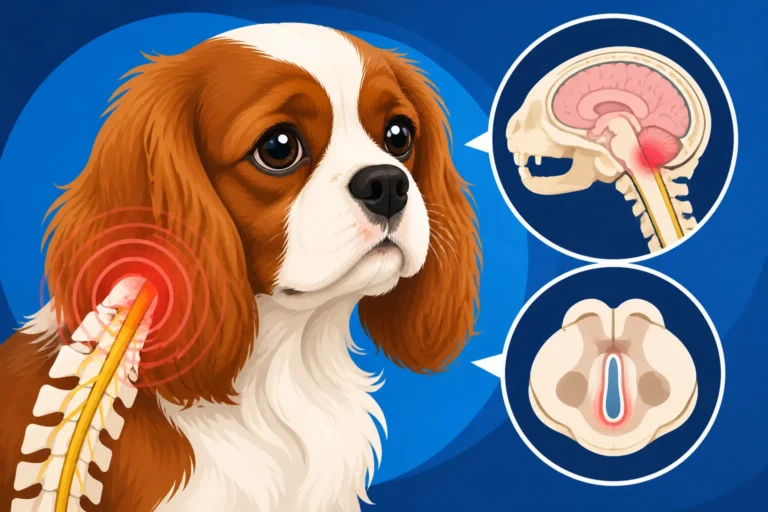
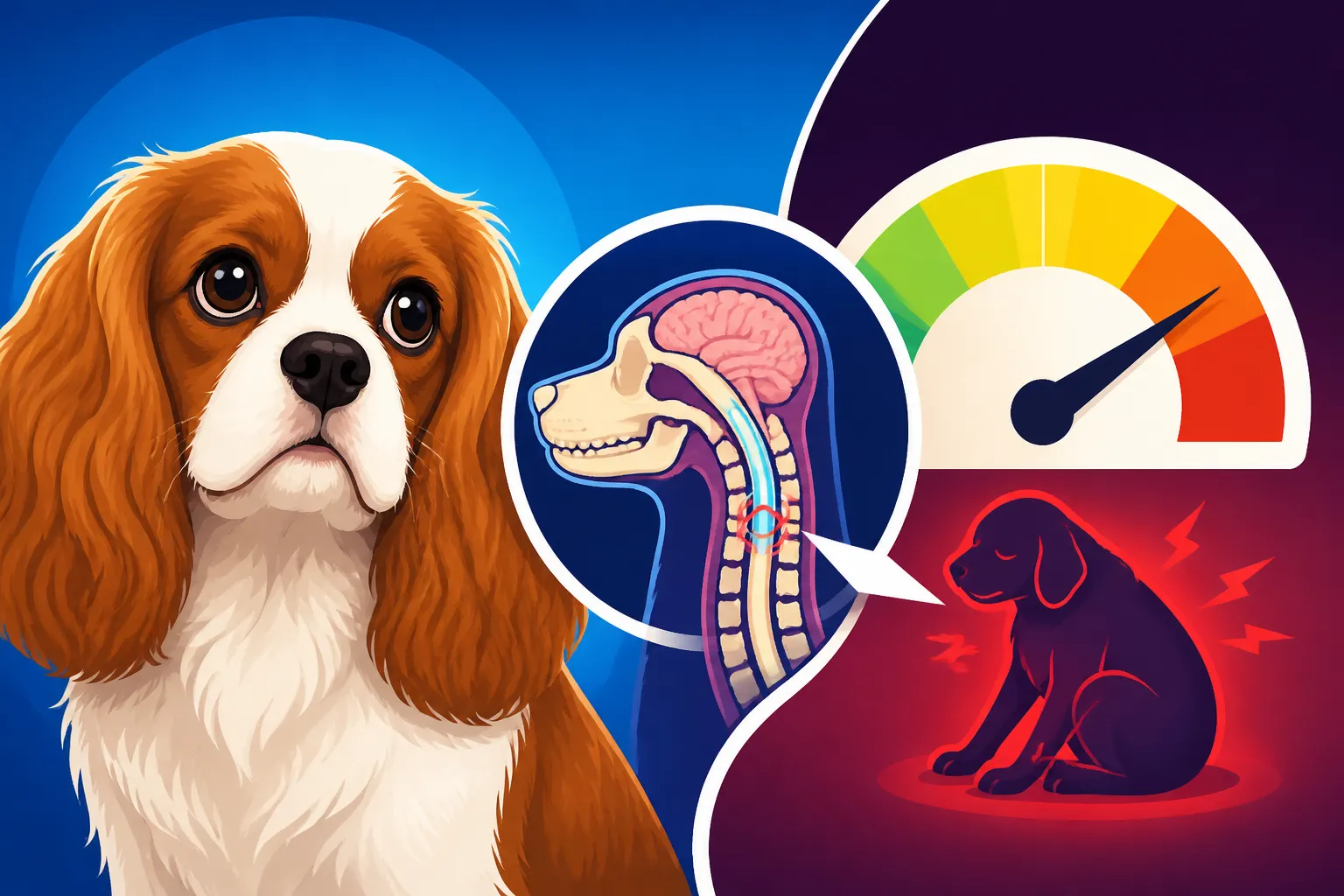
At its core, a syrinx is simply a fluid-filled cavity that forms within your Cavalier's spinal cord. Imagine a small, abnormal pocket of cerebrospinal fluid (CSF) developing where it shouldn't be, disrupting the normal function of the spinal cord tissue around it. This phenomenon is almost always a direct consequence of a condition called Chiari-like Malformation (CM), which is exceptionally common in Cavaliers.
With CM, the Cavalier's skull is, unfortunately, often too small for its brain, particularly at the back where the brain meets the spinal cord. This crowding can obstruct the normal flow of CSF, which is supposed to circulate freely around the brain and spinal cord. When this flow is impeded, pressure builds, and the fluid can be forced into the spinal cord tissue itself, creating these painful syrinxes. It's important to remember that not all Cavaliers with CM will develop SM, but the vast majority of those with SM also have CM. To dive deeper into how these two conditions intertwine, you might find our article on Syringomyelia and Chiari Malformation in Cavaliers helpful.
How a Syrinx Causes Pain
The presence of a syrinx causes pain primarily by physically damaging or compressing the delicate nerve fibers within the spinal cord. Think of your spinal cord as a superhighway for information between the brain and the rest of the body; when a syrinx forms, it creates a roadblock, disrupting these vital signals.
The type of pain experienced by a Cavalier with SM is often described as neuropathic pain. This isn't just your typical "ouchie" pain from an injury; it's a more chronic, often burning, tingling, or stabbing sensation caused by nerve damage. Cavaliers might also experience allodynia, where a normal, non-painful stimulus—like a gentle touch or being petted—becomes excruciatingly painful. Another common symptom is hyperesthesia, which is an increased sensitivity to sensory input. This might manifest as your dog reacting dramatically to something that wouldn't normally bother them. The location of the syrinx along the spinal cord dictates which parts of the body are affected, with neck and shoulder pain being particularly common due to syrinxes in the cervical (neck) region. Managing this kind of discomfort is crucial, and our guide on Pain Relief for a Cavalier With Syringomyelia offers more detailed insights into therapeutic approaches.
The Complex Relationship Between Syrinx Width and Pain
It's a natural assumption: bigger syrinx, bigger pain, right? When you get an MRI report back for your Cavalier, it often highlights the size of the syrinx. But here's where the journey into Syringomyelia becomes less straightforward and often more confusing for owners.
Why Size Isn't Everything
The idea that a wider syrinx automatically translates to more severe pain is a common misconception, and it's one that can cause a lot of unnecessary anxiety for Cavalier owners. In reality, the correlation between the absolute width of a syrinx and a Cavalier's pain levels is not always direct or simple. You might encounter a Cavalier with a relatively small syrinx who is in immense, debilitating pain, while another dog with a much larger syrinx might show minimal to no clinical signs of discomfort.
This phenomenon can be attributed to several factors. For one, the location of the syrinx within the spinal cord is often far more critical than its sheer size. A small syrinx situated in a highly sensitive area, such as the dorsal horn where sensory nerves converge, can cause excruciating neuropathic pain. In contrast, a larger syrinx located in a less neurologically dense region might cause fewer, or even no, noticeable symptoms. Think of it like a small, sharp pebble in your shoe versus a large, soft cushion – the small, misplaced item can cause much more agony. Furthermore, individual Cavaliers have different pain thresholds and responses, meaning what causes one dog severe pain, another might tolerate with less outward distress.
Factors Beyond Syrinx Width
If syrinx width isn't the sole determinant of pain, what else plays a role? A host of other elements contribute to your Cavalier's overall discomfort when living with Syringomyelia.
Firstly, as mentioned, the syrinx location is paramount. A syrinx in the cervical (neck) region often leads to classic SM signs like phantom scratching and neck pain, whereas one further down the spinal cord might cause different neurological deficits or limping. The specific nerve tracts being compressed are also important. Damage to sensory tracts typically results in pain and altered sensation, while motor tract involvement might lead to weakness or coordination issues.
The rate of syrinx progression can also influence pain. A rapidly expanding syrinx might cause more acute and severe pain due to sudden pressure changes compared to a syrinx that develops slowly over time, allowing the dog's body more time to adapt.
Inflammation around the syrinx or within the spinal cord itself can significantly increase pain. Even if a syrinx is relatively stable in size, an inflammatory flare-up can exacerbate symptoms. This is why anti-inflammatory medications are often a key part of treatment.
Lastly, it's crucial to consider co-existing conditions. Cavaliers are prone to other health issues, and some of these can mimic or contribute to neck and back pain. For instance, disc disease (intervertebral disc disease, IVDD) can occur in Cavaliers and cause similar symptoms, making diagnosis complex without a thorough workup. Arthritis or other musculoskeletal issues can also add to a Cavalier's general discomfort, complicating the picture. It truly takes a skilled veterinary team to tease apart all these possibilities. It's also worth noting that many Cavaliers, even those with significant CM, don't develop clinical signs of SM, highlighting the variability in this condition. You can read more about how common this condition is in How Many Cavaliers Actually Have Syringomyelia. Planning for such complex care early with comprehensive pet insurance, like a policy from Healthy Paws, can alleviate the financial strain that often comes with chronic conditions, ensuring you can focus on your Cavalier's comfort.
Diagnosing and Assessing Syrinx-Related Pain
When your Cavalier is showing signs of pain or discomfort, the detective work begins. It’s a process that combines advanced imaging with careful observation, because a definitive diagnosis requires more than just guessing.
The Role of MRI Scans
There's no way around it: the MRI scan is the gold standard for diagnosing Syringomyelia. Your veterinarian will likely refer you to a veterinary neurologist for this procedure. An MRI provides incredibly detailed images of your Cavalier's brain and spinal cord, allowing specialists to clearly visualize the presence, size, and exact location of any syrinxes, as well as the extent of Chiari-like Malformation. It's a non-invasive procedure for your dog, though they will require general anesthesia to remain perfectly still for the duration of the scan.
While an MRI is indispensable for anatomical diagnosis, it's vital to understand its limitations. The MRI shows the structure of the syrinx; it doesn't directly measure pain. A neurosurgeon or neurologist will interpret the images to identify syrinxes and other abnormalities, but the impact of those findings on your Cavalier's daily life is determined by clinical assessment. It's a critical piece of the puzzle, but not the whole picture. For many owners, the cost of this diagnostic step can be a significant concern, but with pet insurance like Healthy Paws, a substantial portion of these expenses, including the MRI, can often be covered, helping you make the best medical decisions without undue financial stress. Understanding what to expect financially from this diagnostic step can be further explored in What a Cavalier MRI Scan Costs and Shows.
Clinical Signs and Behavioral Clues of Pain
While the MRI gives us the scientific data, your eyes and ears are the most important tools for assessing your Cavalier's pain. Veterinarians rely heavily on owner observations, as you spend the most time with your dog and are best placed to notice subtle changes in their behavior.
One of the most characteristic signs of SM-related pain is phantom scratching or "air scratching." This is where your Cavalier will scratch vigorously at their shoulder or neck area, often without actually making contact with their skin. It's a distressing sight and indicates a deep, internal itch or sensation that they can't relieve. Another concerning sign is if your Cavalier yelps when picked up, particularly around the chest or neck, which can indicate spinal pain. Our article A Cavalier That Yelps When Picked Up goes into more detail on this specific symptom.
Other important behavioral clues include:
- Reluctance to jump or use stairs: They might hesitate before getting on the sofa or going up steps, or even refuse entirely.
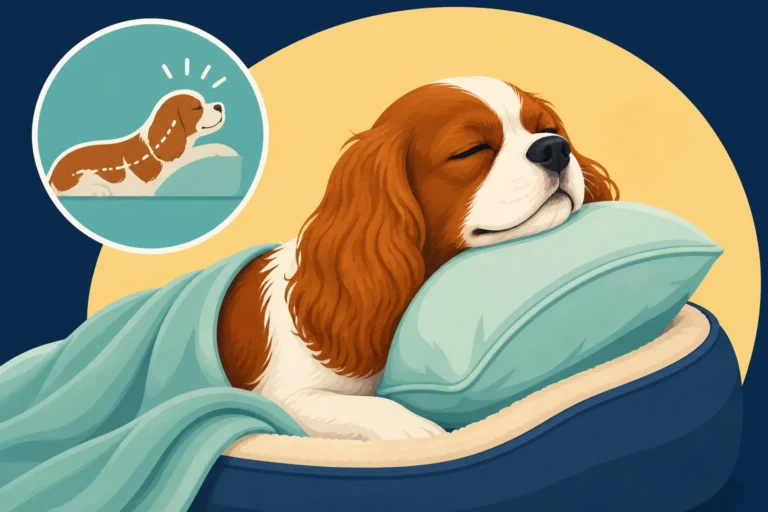
- Sleeping with head raised: Some Cavaliers find comfort in sleeping with their head propped up or curled unnaturally, perhaps to relieve pressure.
- Changes in temperament: A once-gregarious Cavalier might become withdrawn, irritable, or even show aggression (snapping, growling) if touched in a painful area. This isn't naughtiness; it's pain.
- Excessive licking or rubbing: They might constantly lick a paw or rub their face, attempting to soothe an uncomfortable sensation.
- Reduced activity or play: A general decrease in enthusiasm for walks or games can be a strong indicator of chronic discomfort.
Keeping a detailed log of these observations, noting when they occur, their intensity, and any triggers, will be invaluable to your veterinary team. They are the true indicators of your Cavalier's subjective experience of pain. Delving deeper into the tell-tale sign of "air scratching" can provide more insights into this specific symptom in our article Phantom Scratching in a Cavalier.
Managing Pain in Cavaliers with Syringomyelia
Once Syringomyelia is diagnosed, the focus shifts to managing the pain and improving your Cavalier's quality of life. This usually involves a multi-pronged approach combining medication with thoughtful adjustments to their daily routine.
Medical Management Options
Medication is typically the first line of defense against SM pain, and it often involves a cocktail of different drugs tailored to your Cavalier's specific symptoms. The goal isn't to cure the syrinx—unfortunately, medical treatment doesn't make it disappear—but to reduce inflammation, alleviate nerve pain, and make your dog comfortable.
- Gabapentin: This is a cornerstone medication for neuropathic pain in dogs. It works by modulating nerve signals, helping to dampen the burning, tingling sensations associated with SM. It often causes drowsiness initially, but many Cavaliers adjust over time. You can learn more about its specific use in Gabapentin for a Cavalier With Neck Pain.
- Anti-inflammatories: Non-steroidal anti-inflammatory drugs (NSAIDs) can be effective in reducing general inflammation and pain. However, they must be used carefully, often under veterinary supervision, especially if combined with other medications or if your Cavalier has other health issues.
- Steroids (Corticosteroids): In some acute, severe cases, or when other medications aren't enough, a short course of corticosteroids might be prescribed. These are powerful anti-inflammatory agents that can also help reduce fluid pressure. However, long-term steroid use has significant side effects, so they are generally reserved for specific situations.
- Other Nerve Pain Medications: Depending on the specific presentation of pain, other medications like pregabalin (similar to gabapentin but can be more potent for some dogs) or even tricyclic antidepressants might be considered for their pain-modulating effects.
It's a process of titration and adjustment, working closely with your vet to find the right combination and dosage that provides maximum relief with minimal side effects. This can be an ongoing journey, as your Cavalier's needs may change over time. The costs of these medications can add up, especially for chronic use, which is another area where a robust pet insurance plan like Healthy Paws can offer crucial support, covering a significant portion of prescription drug costs. Managing pain effectively is key to ensuring a good quality of life, particularly as your Cavalier enters their senior years; for more on this, see Pain Management for a Senior Cavalier.
Lifestyle Adjustments and Supportive Care
Beyond medication, making simple, thoughtful adjustments to your Cavalier's environment and routine can significantly impact their comfort and well-being. These changes are all about minimizing triggers and supporting their compromised spinal health.
One of the most important changes is switching from a neck collar to a harness. A traditional collar can put direct pressure on your Cavalier's sensitive neck and spinal cord, especially if they pull on the leash. A well-fitting harness distributes pressure across their chest and shoulders, alleviating strain on the neck. Our article on Harnesses Instead of Collars for a Cavalier provides more details on choosing the right type.
Consider raised food and water bowls. Bending down to eat or drink can strain a painful neck. Elevating their bowls to a comfortable height can make meal times much more pleasant. Similarly, providing ramps or steps for beds and sofas eliminates the need for jumping, which can jar the spine and exacerbate pain.
You'll also want to minimize activities that involve sudden head movements, intense play, or roughhousing. While it's hard to tell a Cavalier not to be a Cavalier, protecting their neck is paramount. This might mean supervised, calmer play sessions, shorter walks if they are tiring easily, and avoiding situations where they might bump their head or neck accidentally. Soft bedding and a quiet, predictable environment can also contribute to their overall sense of security and comfort. Regularly evaluating their living space and making small modifications can make a big difference in their daily comfort.
Prognosis and Quality of Life
Living with a Cavalier diagnosed with Syringomyelia is a journey, and understanding the prognosis and how to maintain a good quality of life is essential for both you and your furry companion.
Living With Syringomyelia
It's vital to remember that Syringomyelia is a progressive condition for many Cavaliers, but not all. While some dogs may experience worsening symptoms over time, many others can live long, happy lives with appropriate management. The key is consistent, open communication with your veterinary team and a proactive approach to their care.
The goal of treatment isn't to "cure" SM, but to manage the pain and neurological symptoms effectively, ensuring your Cavalier has the best possible quality of life. This means focusing on their comfort, happiness, and ability to engage in daily activities without significant distress. What works for one Cavalier might not work for another, even with similar syrinx widths, so treatment plans are always highly individualized. Regular check-ups are crucial to monitor their condition, adjust medications as needed, and address any new symptoms promptly. It's truly about listening to your dog and working as a team with your vet. For a deeper dive into the day-to-day realities, our article on Living With a Cavalier That Has Syringomyelia offers more practical advice and emotional support.
When to Consider Advanced Treatments or Re-evaluation
In cases where medical management isn't sufficient to control a Cavalier's pain or if neurological deficits are severe and rapidly progressing, advanced treatments might be considered. The primary surgical option is foramen magnum decompression surgery, which aims to alleviate the crowding at the back of the skull (Chiari-like Malformation) to restore normal CSF flow and, ideally, prevent further syrinx enlargement or even promote syrinx reduction.
However, it's important to approach surgery with realistic expectations. It's a complex, invasive, and costly procedure, and it's not a guaranteed cure. Not all Cavaliers are good candidates, and even after successful surgery, some dogs may still require ongoing medical management for residual pain. There are also risks associated with any major surgery, especially for a small breed like a Cavalier. Recovery can be extensive, requiring dedicated post-operative care and rehabilitation. Exploring this option should always be done in close consultation with a board-certified veterinary neurologist or surgeon. Our article Surgery for Cavalier Syringomyelia provides more in-depth information on this.
If your Cavalier's current pain management strategy seems to be failing, or if their quality of life is significantly deteriorating, it's time for a re-evaluation. This might involve adjusting medication dosages, adding new medications, or exploring alternative therapies. The decision to pursue advanced treatments or to make difficult end-of-life choices is deeply personal and should be made with the guidance of your veterinary team, always prioritizing your Cavalier's comfort and dignity. Having pet insurance, especially from providers like Healthy Paws that offer comprehensive coverage, can be a major relief during these challenging decisions, ensuring that specialized consultations and potential advanced treatments are financially feasible.
To help visualize the variability we've discussed, here's a table summarizing potential scenarios related to syrinx width and pain:
| Syrinx Width | Potential Pain Level | Common Symptoms | Management Approach (General) | Key Consideration |
|---|---|---|---|---|
| Small | Variable (low to high) | Phantom scratching, neck sensitivity, yelping (if critical location) | Medication (Gabapentin), lifestyle mods, monitoring | Location and individual pain threshold are critical; can be severely painful. |
| Medium | Variable (moderate to high) | More consistent pain, reduced activity, sleep changes, ataxia (wobbliness) | Combination medications, harness, ramps, regular vet checks | Most common range for noticeable symptoms; may show progression. |
| Large | Variable (low to severe) | Pronounced pain, weakness, severe ataxia, scoliosis, neurological deficits | Aggressive medical management, surgery consideration, intensive supportive care | Not always correlated with highest pain; location still crucial; can cause severe neurological deficits. |
Disclaimer: This table is a generalization. Each Cavalier's experience with SM is unique and depends on many factors, not just syrinx width. Always consult with your veterinarian for personalized advice.
Disclaimer
The information provided in this article is for general informational purposes only and does not constitute veterinary medical advice. Always consult with a qualified veterinarian or veterinary specialist for any health concerns or before making any decisions about your Cavalier King Charles Spaniel's care and treatment.