Managing Dry Eye in a Cavalier
There’s nothing quite as heartbreaking as looking into your sweet Cavalier’s eyes and seeing them red, cloudy, or constantly squinting, signaling discomfort. Dry eye, formally known as Keratoconjunctivitis Sicca (KCS), is a surprisingly common and deeply uncomfortable condition for our beloved Cavaliers, often leading to chronic irritation and even vision issues if not properly managed. This guide aims to pull back the curtain on Cavalier dry eye, offering you a comprehensive look at what it is, why it happens, and most importantly, how to effectively manage it so your furry companion can live their happiest, most comfortable life.
Understanding Cavalier Dry Eye Keratoconjunctivitis Sicca – KCS
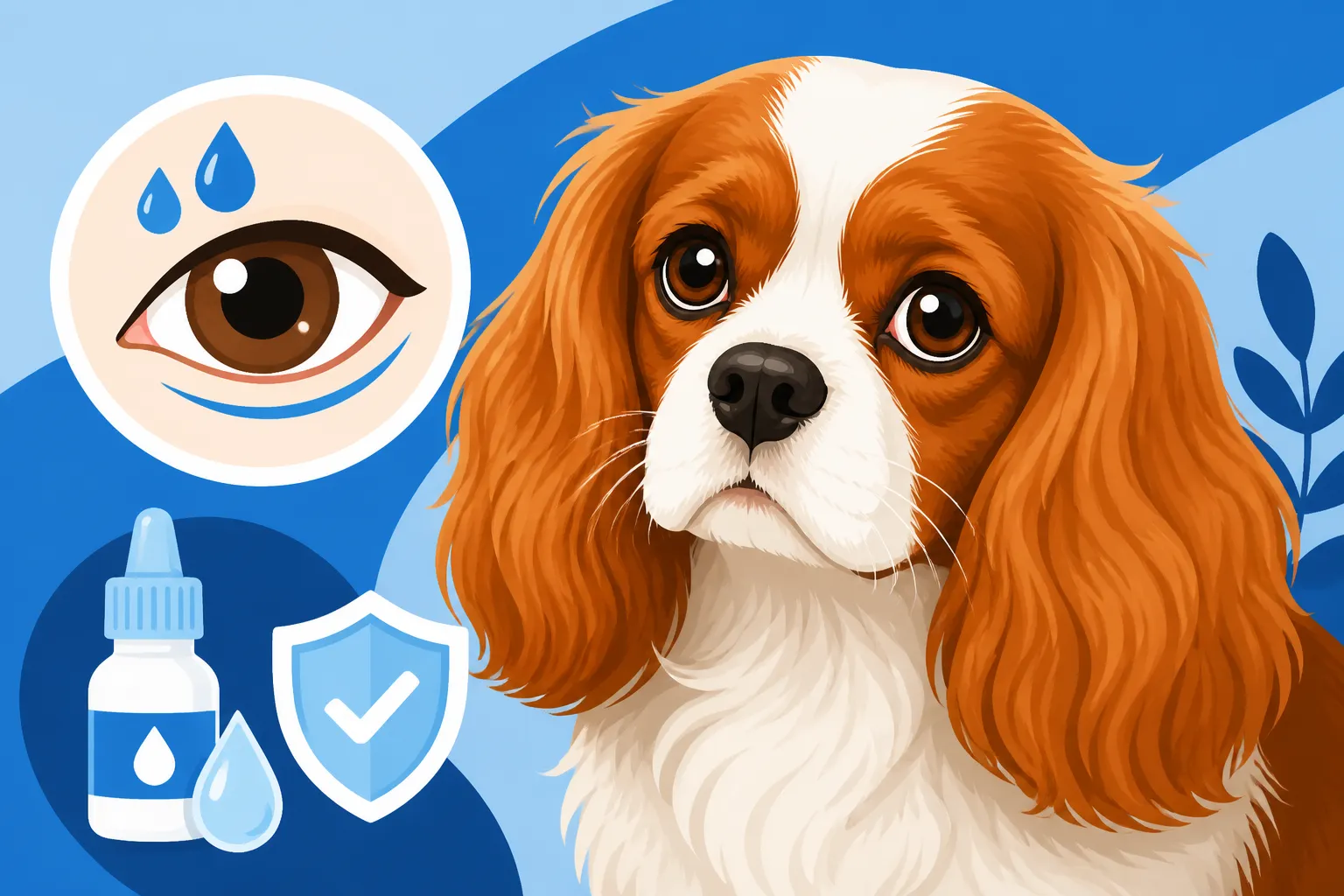
When your Cavalier looks at you with those big, soulful eyes, you want them to be clear and bright. But for many, a condition called Keratoconjunctivitis Sicca, or KCS, can turn those beautiful eyes into a source of constant discomfort. It's more than just a minor irritation; it's a chronic condition that demands attention and consistent care.
What Exactly is KCS?
At its core, KCS is a deficiency in the watery portion of the tear film. Our dogs, just like us, have tears that do so much more than just well up when they're sad (which, let's be honest, our Cavaliers are experts at making us believe!). Tears are a complex mix of water, mucus, and oil, each playing a vital role. The watery component, produced by the lacrimal glands, is crucial for washing away debris, delivering oxygen and nutrients to the cornea, and keeping the eye surface smooth and hydrated.
When this watery production drops significantly, the eye literally dries out. Imagine trying to blink with sandpaper in your eyes – that's often what KCS can feel like for a dog. The protective tear film is compromised, leaving the cornea vulnerable to damage. This can lead to a whole host of secondary problems, from chronic inflammation and painful corneal ulcers to bacterial infections. Without adequate tears, the cornea can also become pigmented and scarred over time, eventually impairing or even causing a loss of vision. It's a progressive disease, meaning it tends to get worse without intervention, making early diagnosis and consistent management absolutely critical.
Why Cavaliers Are Prone to Dry Eye
It often feels like Cavaliers have more than their fair share of health challenges, and sadly, KCS is another one that frequently affects our charming little spaniels. The primary reason for their predisposition is genetics. While any breed can develop dry eye, Cavaliers are genetically wired to be at a higher risk, often developing an immune-mediated form of the disease. This means their own immune system mistakenly attacks the tear-producing glands, diminishing their function.
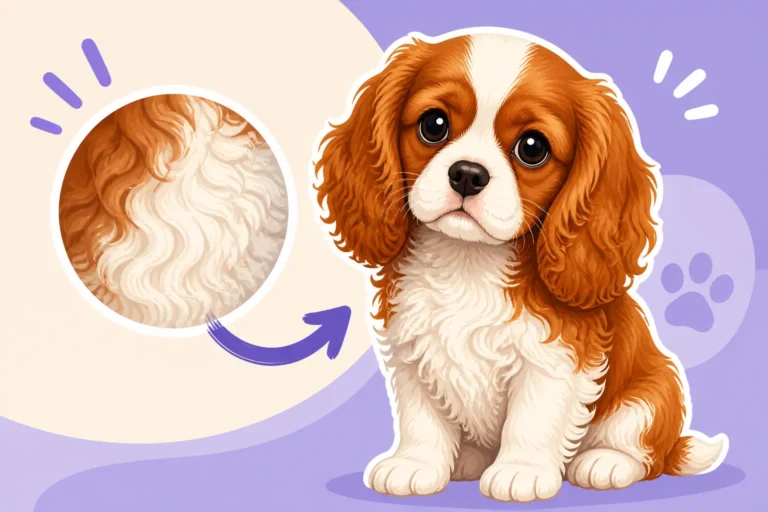
Beyond the genetic component, certain physical characteristics of the Cavalier's head and eye structure don't do them any favors. Their prominent, large eyes and relatively shallow eye sockets mean their eyes are more exposed to the elements – think wind, dust, and pollen – which can exacerbate dryness. Their adorable long facial hair can also wick away moisture or harbor irritants near the eye if not kept meticulously clean. Furthermore, KCS in Cavaliers can sometimes be linked to a more severe genetic condition known as Dry Eye and Curly Coat Syndrome in Cavaliers. This inherited disorder, also called CKCSID (Cavalier King Charles Spaniel Ichthyosis and Keratoconjunctivitis Sicca), results in a complete absence of tear production from birth, along with specific skin and coat abnormalities. It's why responsible breeders will perform The DNA Tests Every Cavalier Should Have to screen for this and other conditions. If your Cavalier was born without tears or has a very coarse, curly coat, it's essential to discuss CKCSID testing with your vet.
Recognizing the Signs of Dry Eye in Your Cavalier
Spotting dry eye early is key to successful management. Cavaliers are incredibly stoic, often hiding their discomfort until it becomes quite severe, so you need to be a keen observer. The signs can be subtle at first, then progress.
One of the most common early indicators is a persistent, thick, yellowish-green eye discharge. This isn't your typical clear tear or sleepy "eye boogie"; it's often sticky and builds up in the corners of their eyes or on their lashes because there isn't enough watery tear film to wash it away. You might also notice redness in the whites of their eyes (the conjunctiva), which can range from a faint pink blush to a vivid, angry red.
Other signs include:
- Squinting or increased blinking: Your Cavalier might be trying to spread what little tear film they have or attempting to relieve irritation.
- Holding one or both eyes partially or fully closed: This is a clear sign of pain or discomfort.
- Cloudiness or dullness of the eye surface: Instead of being bright and reflective, the cornea might appear hazy or lack its usual luster.
- Rubbing at their eyes: They might paw at their face, rub against furniture, or scoot along the carpet in an attempt to alleviate the itchiness or pain.
- Vascularization or pigmentation: Over time, the cornea, which is normally clear, might start to develop small blood vessels growing across it (vascularization) or take on a brownish-black appearance (pigmentation). This is the eye's response to chronic inflammation and can eventually lead to impaired vision.
- Vision impairment: In severe, untreated cases, the scarring and pigmentation can significantly reduce your Cavalier's sight.
If you observe any of these symptoms, especially if they are persistent or worsening, don't delay in seeking veterinary attention. It’s far better to catch and manage KCS in its early stages before permanent damage occurs. Prompt attention can also help avoid painful complications like Corneal Ulcers on Prominent Cavalier Eyes, which are a serious concern with dry eye.
The Diagnosis Journey and Initial Treatment
Discovering your Cavalier has dry eye can feel overwhelming, but the good news is that diagnosis is usually straightforward, and effective treatments are available. It all starts with a visit to your veterinarian.
The Schirmer Tear Test: The Gold Standard
When you bring your Cavalier to the vet suspecting dry eye, one of the first and most definitive tests they’ll perform is the Schirmer Tear Test (STT). It’s a simple, quick, and non-invasive procedure, but it provides crucial information. The vet will gently place a thin, specialized strip of filter paper, usually with a numerical scale printed on it, into the lower eyelid of each eye. This strip has a tiny notch that rests on the edge of the eyelid.
The strip is left in place for exactly one minute, during which time it absorbs any tears produced. After a minute, the vet removes the strip and measures how far the tears have wicked up the paper.
- Normal tear production in a dog is typically 15 millimeters or more within that minute.
- Mild KCS might show readings between 10-14 mm/minute.
- Moderate KCS often falls into the 5-9 mm/minute range.
- Severe KCS, indicating very little to no tear production, will be under 5 mm/minute.
This test is incredibly reliable and gives your vet an objective measure of your Cavalier's baseline tear production. It’s a vital tool not only for initial diagnosis but also for monitoring the effectiveness of treatment over time. Your vet might also perform a fluorescein stain test to check for corneal ulcers, which are a common complication of KCS, or examine the eyes for any signs of Extra Eyelashes Rubbing a Cavalier's Eye that could cause similar irritation.
Initial Medical Management: Lifelong Commitment
Once KCS is diagnosed, the cornerstone of treatment is usually a combination of topical medications aimed at stimulating natural tear production and supplementing the eye with artificial tears. It’s crucial to understand that KCS is generally a chronic, lifelong condition, meaning treatment will likely be ongoing for the rest of your Cavalier’s life. Consistency is absolutely vital for success.
The primary medications used are immunosuppressants, specifically cyclosporine (often brand names like Optimmune, Restasis) or tacrolimus. These medications work by suppressing the immune response that is attacking the tear glands, allowing the glands to resume or increase tear production. They don't just add moisture; they address the underlying cause in many cases. These are typically prescribed as eye ointments or drops and need to be administered once or twice daily, sometimes more frequently at the start.
In addition to stimulating tear production, artificial tears are often prescribed, especially in the initial stages or for severe cases. These drops or gels (like Genteal, Refresh, or specific veterinary formulations) provide immediate lubrication and help wash away debris, offering comfort and protecting the corneal surface. They usually need to be given more frequently than the immunosuppressants – sometimes several times a day – to provide continuous relief. Your vet will guide you on the specific regimen for "Prescription Eye Drops for a Cavalier Every Day" and how to best manage their application.
It's worth noting that the cost of these medications can add up over a lifetime. This is where pet insurance, like a comprehensive plan from Healthy Paws, can be incredibly beneficial. If you enroll your Cavalier before any symptoms of dry eye appear, a good policy can help cover a significant portion of these ongoing medication costs, making lifelong treatment much more manageable financially.
The Role of Your Vet and Veterinary Ophthalmologist
For most cases of KCS, your primary care veterinarian is perfectly capable of diagnosing and managing the condition. They will perform the Schirmer Tear Test, prescribe the initial medications, and guide you through the treatment plan. They'll also monitor your Cavalier's progress during follow-up visits, adjusting medication dosages as needed based on repeat STT results and your dog's comfort levels.
However, there are situations where a referral to a veterinary ophthalmologist is highly recommended, or even essential:
- Severe or unresponsive cases: If your Cavalier's tear production doesn't improve significantly with standard medications, or if they continue to show signs of severe discomfort, an ophthalmologist can offer advanced diagnostics and treatment options.
- Complications: If your Cavalier develops serious complications like deep corneal ulcers, persistent infections, or significant corneal pigmentation that threatens vision, an ophthalmologist has specialized equipment and expertise to handle these complex issues.
- Surgical considerations: For dogs that don't respond to medical therapy, surgery (like parotid duct transposition) might be considered, which is always performed by a board-certified veterinary ophthalmologist.
- Specific underlying causes: If there's suspicion of other complex eye conditions contributing to the dry eye, or if it's linked to a syndrome like CKCSID, an ophthalmologist can provide a more in-depth assessment.
Think of it as having a specialist for a complex human health issue. While your general practitioner handles most things, sometimes you need the specific expertise of an eye specialist. Regular check-ups with your general vet are always important, especially for Cavaliers prone to various health issues like Cavalier Eye Disease From Dry Eye to Cataracts.
Long-Term Management and Daily Care for Cavalier Dry Eye
Managing KCS in your Cavalier is a marathon, not a sprint. It requires dedication, consistency, and a good routine. But with the right approach, you can significantly improve your dog's comfort and quality of life.
Administering Eye Medications and Drops Effectively
This is arguably the most critical part of long-term KCS management. Your vet will prescribe a specific schedule, and sticking to it religiously is paramount. Here's how to make the process as smooth as possible:
- Preparation is key: Gather all your supplies (drops, ointments, treats!) before you start. Wash your hands thoroughly.
- Comfort first: Choose a quiet, comfortable spot where your Cavalier feels secure. Many dogs do best when you're sitting on the floor with them or holding them gently on your lap.
- Positioning: Gently cup your Cavalier's head in one hand, tilting it slightly upwards. Use your thumb to gently pull down the lower eyelid, creating a small "pocket."
- Administering drops: Hold the dropper about an inch above the eye, being careful not to touch the eye itself or any eyelashes, as this can introduce bacteria or cause injury. Squeeze the prescribed number of drops into the conjunctival sac (the pocket you made).
- Administering ointment: Squeeze a small, rice-sized strip of ointment along the inside of the lower eyelid.
- Allowing absorption: Gently close your Cavalier’s eyelids for a few seconds and lightly massage the area to help distribute the medication.
- Reward, reward, reward: Immediately praise your Cavalier and offer a high-value treat. Making it a positive experience helps reduce stress for future applications.
- Multiple medications: If you're giving more than one type of eye medication, wait at least 5-10 minutes between different drops or ointments. This ensures each medication has time to absorb and prevents them from washing each other out. Your vet will advise on the correct order if there's a specific protocol.
Remember, patience is a virtue here. If your Cavalier is particularly squirmy, ask your vet for tips or even a demonstration. Consistent application of Prescription Eye Drops for a Cavalier Every Day is non-negotiable for their comfort and eye health.
Maintaining Eye Hygiene and Comfort
Beyond medications, diligent eye hygiene plays a huge role in preventing secondary issues and keeping your Cavalier comfortable.
- Gentle Cleaning: KCS often leads to a thick, mucoid discharge. Use a soft, clean, damp cloth or a sterile eye wipe (specifically designed for pets, like those from popular brands such as Optixcare or Epi-Otic) to gently wipe away any discharge from around the eyes, moving from the inside corner outwards. Do this regularly, sometimes several times a day, to prevent buildup and irritation. Never rub aggressively, and always use a fresh part of the cloth or a new wipe for each eye to prevent cross-contamination.
- Preventing Matting: The constant discharge can mat the hair around your Cavalier's eyes, which traps moisture, bacteria, and debris, leading to further irritation or skin infections. Keep the hair around their eyes trimmed short and clean. A fine-toothed comb can help gently untangle any small mats, but be incredibly careful near their sensitive eyes.
- Warm Compresses: A warm, damp cloth gently placed over the eyes for a few minutes can help loosen stubborn discharge and provide soothing relief.
Regular care and observation are key. If you notice an increase in discharge, a change in its color, or increased redness, contact your vet immediately as it could indicate an infection.
Lifestyle Adjustments and Environmental Considerations
While you can't change your Cavalier's genetics, you can make their environment more conducive to eye health.
- Avoid Irritants: Strong winds, dust, smoke, aerosol sprays, and harsh cleaning chemicals can all exacerbate dry eye symptoms. Try to keep your Cavalier out of dusty areas, avoid smoking near them, and ensure good ventilation when cleaning your home.
- Humidifiers: In dry climates or during winter months when indoor air is dry from heating, a humidifier in the rooms your Cavalier spends most of their time can add much-needed moisture to the air, which can be beneficial for their eyes.
- Protection Outdoors: On windy days or during car rides with the window down, consider Doggles (protective eyewear for dogs). While they might look silly, they can shield your Cavalier's sensitive eyes from wind, dust, and UV rays, which can dry out their eyes even further.
- Regular Grooming: Keeping their facial hair, especially around the eyes and muzzle, neatly trimmed and clean is crucial. This not only prevents matting but also removes potential irritants. This type of routine care is often part of general Cavalier Eye and Face Cleaning.
Nutritional Support and Supplements
While diet doesn't cure KCS, certain nutritional approaches and supplements might offer supportive benefits. However, always discuss these with your vet before introducing them, especially since Cavaliers often have other health considerations, such as a predisposition to heart conditions, which might require specific dietary management like Low-Sodium Feeding for a Cavalier Heart Patient.
- Omega-3 Fatty Acids: Supplements containing EPA and DHA, commonly found in fish oil, are known for their anti-inflammatory properties. Some anecdotal evidence and limited studies suggest they might help improve the quality of the tear film, though they are not a substitute for prescribed medications.
- Antioxidants: A diet rich in antioxidants (from fruits, vegetables, or supplements) can support overall eye health by combating oxidative stress.
- Hydration: Ensuring your Cavalier always has access to fresh, clean water is fundamental for their overall health, including tear production.
Remember, supplements should always be used as an adjunct to, not a replacement for, your vet's prescribed medical treatment.
When Medical Management Isn't Enough: Advanced Options
While the vast majority of KCS cases in Cavaliers can be successfully managed with lifelong medical therapy, there are instances where these treatments just aren't enough. For these challenging situations, a veterinary ophthalmologist might discuss more advanced options.
Parotid Duct Transposition Surgery
When medical therapy consistently fails to stimulate adequate tear production, or if the dog is intolerant of the medications, a surgical procedure called Parotid Duct Transposition (PDT) may be considered. This is a highly specialized surgery performed only by a board-certified veterinary ophthalmologist.
The parotid gland is a salivary gland located in the cheek area, and it produces saliva. The parotid duct normally carries this saliva into the mouth. In PDT surgery, the ophthalmologist carefully reroutes this duct so that it opens into the lower conjunctival sac of the eye instead of the mouth. The goal is for the saliva, which is mostly water, to act as a substitute for natural tears, lubricating the eye.
Pros of PDT:
- Effective for some: For certain dogs, it can provide significant relief from severe dry eye, reducing discomfort and protecting the cornea from damage.
- Reduced medication: If successful, the need for daily cyclosporine/tacrolimus might be reduced or eliminated, though artificial tears may still be necessary to some extent.
Cons and Considerations:
- Highly Invasive: It's a major surgery with general anesthesia, carrying inherent risks.
- Potential Complications: The most common complication is the deposition of salivary minerals (calcium salts) on the cornea, leading to white, gritty deposits that can be irritating or even cause ulcers. This often requires ongoing cleaning and sometimes specific eye drops to manage.
- Saliva vs. Tears: Saliva is not identical to tears. It lacks some of the antibacterial and nutrient components of natural tears, so even with successful surgery, eyes might still be more prone to infection or require some supplemental care.
- Wet Face: The eye will be constantly "wet" with saliva, which can sometimes spill over onto the face, leading to dampness, potential skin irritation, and even a "wet look" on the facial hair.
- Not a cure-all: It doesn't always completely eliminate the need for any eye drops.
- Cost: As you might imagine, a specialized surgery like this comes with a significant price tag, which makes a good pet insurance policy, especially one from a provider like Healthy Paws that is known for covering such specialist treatments, incredibly valuable. Always check policy details regarding pre-existing conditions if considering this for an already diagnosed case.
This surgery is a last resort option and requires careful consideration and thorough discussion with your veterinary ophthalmologist about the potential benefits and risks specific to your Cavalier.
Dealing with Complications: Ulcers and Infections
KCS makes the eyes incredibly vulnerable to secondary complications. Without that protective, cleansing tear film, bacteria and debris aren't washed away effectively, and the cornea is much more susceptible to trauma.
- Corneal Ulcers: These are erosions or open sores on the surface of the cornea and are incredibly painful. They can range from superficial scratches to deep, sight-threatening lesions. Signs of an ulcer include intense squinting, excessive tearing (reflex tearing, not actual tear production), redness, and sometimes a visible cloudiness or divot on the eye. If you suspect an ulcer, it's an emergency – seek vet attention immediately. Treatment typically involves antibiotic eye drops, pain relief, and sometimes a serum drop made from your dog's own blood. Persistent or non-healing ulcers can be a devastating complication of KCS.
- Bacterial Eye Infections: The compromised tear film creates a perfect breeding ground for bacteria. You might notice a sudden increase in thick, purulent (pus-like) discharge, severe redness, and more intense discomfort. Your vet will usually prescribe broad-spectrum antibiotic eye drops or ointments to clear the infection. It’s crucial to treat these quickly to prevent them from worsening and potentially damaging the eye.
Preventing these complications is a major reason why consistent, lifelong KCS management is so vital. Regular vet check-ups, especially Annual Cardiologist Exams for a Cavalier which often include a general eye check, can also help catch issues early. When a Cavalier is already struggling with their eyes, ensuring their overall health is stable, including issues like Cavalier Dental Disease in a Crowded Jaw that can introduce bacteria, becomes even more important.
| Treatment Type | Purpose | Typical Frequency | Common Examples/Brands (Veterinary Use) | Notes |
|---|---|---|---|---|
| Immunosuppressants | Stimulate natural tear production | 1-2 times daily | Optimmune (Cyclosporine), Tacrolimus | Cornerstone of KCS treatment; requires consistent application. |
| Artificial Tears | Provide lubrication, wash debris | 3-6+ times daily | Genteal, Refresh, Optixcare | Offer immediate comfort; often used in conjunction with other meds. |
| Antibiotics (topical) | Treat/prevent bacterial infections | 2-4 times daily (as needed) | Tobramycin, Neomycin/Polymyxin B | Used for secondary infections or ulcer prevention. |
| Anti-inflammatories (topical) | Reduce inflammation and pain | As needed | NSAID eye drops | May be used for severe inflammation, often with ulcers. |
| Saliva Stimulation (oral) | Less common, stimulate salivary glands | 1-2 times daily | Pilocarpine (rarely used due to side effects) | Can have systemic side effects; consult vet. |
Disclaimer
Please remember that the information provided in this article is for general informational purposes only and is not a substitute for professional veterinary advice. Always consult with a qualified veterinarian or veterinary ophthalmologist for any health concerns or before making any decisions related to your Cavalier King Charles Spaniel's health and treatment.