Barking on Walks When a Cavalier Sees Another Dog
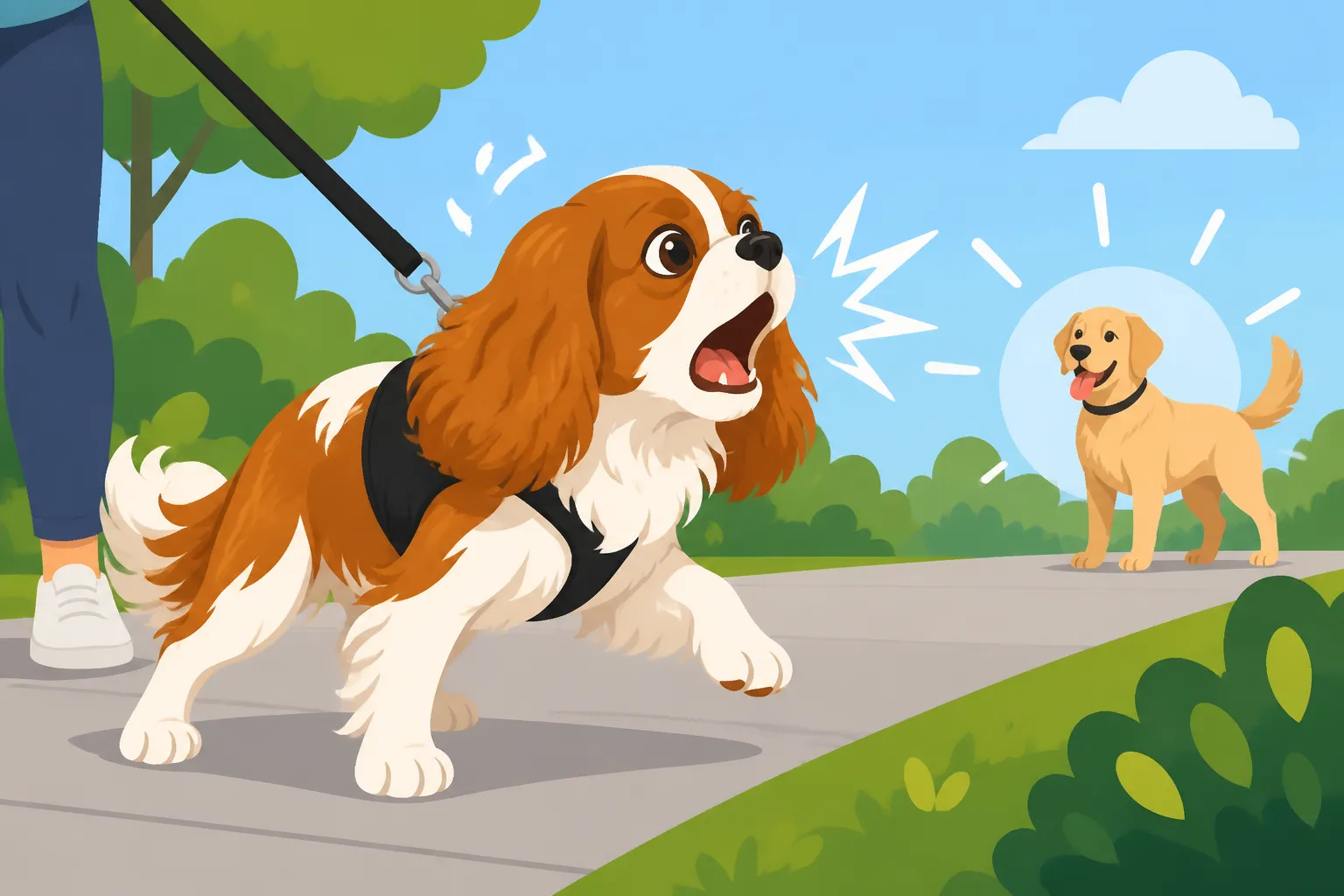
It can be incredibly disheartening, not to mention a little embarrassing, when your sweet, usually calm Cavalier King Charles Spaniel transforms into a barking, lunging whirlwind the moment another dog appears on your walk. You envision peaceful strolls, but instead, you're constantly bracing for that high-pitched yelp and tug on the leash. This guide is here to help you understand why your Cavalier might be barking at other dogs on walks and, more importantly, equip you with practical, compassionate strategies to navigate and improve this challenging behavior.
Understanding Why Your Cavalier Barks at Other Dogs on Walks
Before we can tackle the barking, we need to dig into why it's happening. It’s rarely about malice or aggression from your Cavalier; more often, it stems from a place of intense emotion they just don't know how to manage. Think of it like a toddler having a meltdown because they can't express what they want or how they feel. Your Cavalier is doing the same, just with barks and lunges.
Over-Excitement and Frustration
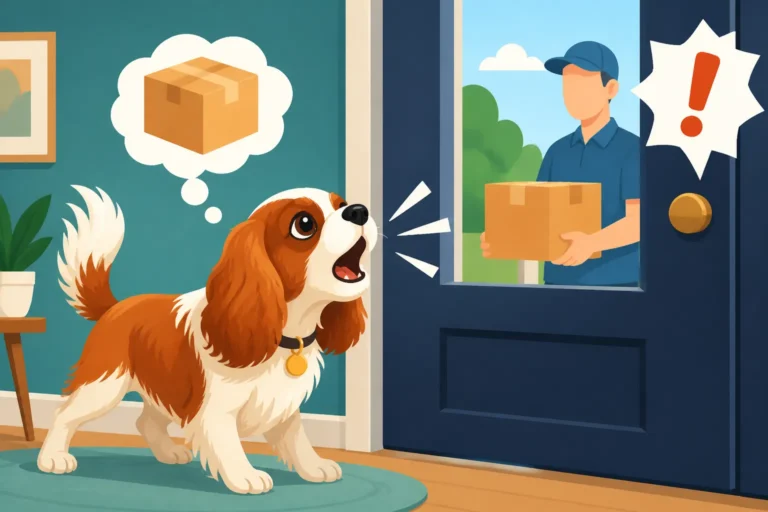
One of the most common reasons a Cavalier might bark at other dogs on a walk is simply over-excitement, which can quickly morph into frustration. Cavaliers are inherently friendly, people-loving dogs, and often dog-friendly too, but that can be a double-edged sword. They want to greet, they want to play, and when a leash prevents them from doing so, that desire can boil over into a loud, frantic display. They might pull with all their might, making little "woo-woo" noises that escalate into full-blown barks because they're literally beside themselves with anticipation.
Imagine you're at a concert, and your favorite band is on stage, but you're stuck behind a barrier miles from the action. You'd probably shout, maybe jump, anything to try and get closer or express your intense excitement. Your Cavalier feels a similar surge of adrenaline and longing. They see another dog – a potential friend, a playmate – and their little brain just screams "GO!" When they can't, the energy has to go somewhere, and barking becomes their outlet. This isn't aggression; it's a profound inability to manage their emotions in that moment. The frustration builds with every step the other dog takes away, and the barking serves as a way to vent that pent-up energy.
It's a really tough spot for owners because you know your dog isn't trying to be "bad." They're genuinely just overwhelmed by their own feelings. The challenge then becomes teaching them a more appropriate way to express that enthusiasm, or, even better, to feel less overwhelming excitement in the first place when a dog approaches.
Fear, Anxiety, or Prior Negative Experiences
On the flip side of over-excitement lies fear or anxiety, which can also manifest as barking and lunging. While Cavaliers are generally known for their sweet and outgoing nature, individual personalities vary wildly, and past experiences can deeply shape their reactions. Perhaps your Cavalier had a frightening encounter with a much larger, boisterous dog when they were a puppy, or they were roughly approached by an off-leash dog that startled them. These kinds of incidents can leave a lasting impression, making future encounters with other dogs feel threatening.
When a dog barks out of fear, it's often a "go away!" signal. They're trying to create distance between themselves and the perceived threat. This type of barking might be accompanied by other body language cues such as a tucked tail, flattened ears, or attempts to hide behind your legs. It's their way of saying, "I'm scared, please don't come closer!" rather than "I want to play!" Even if the other dog is perfectly friendly, if your Cavalier associates them with a past negative experience, their reaction will be primal and fear-driven.
It's crucial not to dismiss this as simply "being aggressive." For a dog, fear can be incredibly powerful, and their barking is a survival mechanism. They aren't choosing to be difficult; they're genuinely feeling unsafe or overwhelmed. Understanding this can help you approach their training with more empathy and focus on building their confidence around other dogs, rather than simply trying to suppress the barking. Sometimes, a history of being overwhelmed by other dogs, even if not truly aggressive, can lead to a reactive response because they've learned that barking makes things go away or keeps them safe.
Lack of Early Socialization or Positive Exposure
Another significant factor contributing to leash reactivity, especially barking at other dogs, can be a lack of appropriate socialization during those critical puppy development stages. The period between 3 to 16 weeks of age is paramount for puppies to learn about the world in a positive, safe way. If a Cavalier puppy didn't get enough varied, positive exposure to different dogs (sizes, breeds, temperaments), people, sounds, and environments during this time, they might grow up to be more apprehensive or unsure about novel situations, like encountering an unknown dog on a walk.
Socialization isn't just about letting your puppy run wild with every dog they meet; it's about structured, positive interactions. If a puppy was only exposed to a few dogs, or had overwhelming experiences rather than controlled, gentle ones, they might not have developed the coping skills needed for casual street encounters. For example, if your Cavalier was a pandemic puppy and rarely saw other dogs or people during their formative months, they might find the bustling world outside quite intimidating now. Socializing a Cavalier Puppy Gently is so important.
Even older Cavaliers who might have been well-socialized initially can develop reactivity if their positive exposures diminish over time, or if they have a string of bad experiences without proper recovery. Sometimes, a lack of socialization doesn't lead to outright fear but rather an intense, over-the-top excitement because they just don't know how to "be" around other dogs calmly. They might see another dog as a giant, moving toy rather than a peer, and their reaction is uncontrolled joy that manifests as barking. This is why continuous, positive exposure throughout their lives, managed carefully, is so vital for their emotional well-being on walks.
Strategies to Manage and Reduce Leash Reactivity
Dealing with a Cavalier who barks at other dogs on walks can feel like an endless battle, but there are absolutely things you can do to make those walks more peaceful for both of you. The key is to remember that you're not punishing your dog for barking; you're teaching them new coping mechanisms and changing their emotional response to other dogs. This takes patience, consistency, and a whole lot of empathy.
The Importance of Management: Avoiding Triggers
Before you even start "training," management is your absolute best friend. Think of management as preventing the problem from happening in the first place, or at least minimizing its intensity. Every time your Cavalier barks and lunges at another dog, the behavior is being practiced and reinforced, making it harder to break the habit. So, the first step is to drastically reduce these occurrences.
This might mean temporarily changing your walking routes to quieter streets or times of day when fewer dogs are out. If you know there's a popular dog park or a busy corner, try to bypass it. Cross the street, duck into a driveway, or make a wide U-turn if you see another dog approaching that might trigger your Cavalier. It's not about hiding your dog away forever, but about giving them a break from stressful encounters while you build new skills. Imagine trying to learn to speak French while someone is constantly yelling in your ear – it's impossible. Your Cavalier needs a calmer environment to learn how to react differently. Using a long line in an open, quiet field can also be a great way to let them sniff and explore without the pressure of close encounters. Long Line Practice for a Cavalier can offer a safe alternative to off-leash park visits for a while.
Management also involves using equipment that gives you more control without causing discomfort. A well-fitting harness, like those from popular pet brands available on Amazon, can prevent pressure on your Cavalier's delicate throat if they pull, which can exacerbate reactivity. Avoid retractable leashes, as they offer little control and can teach your dog to pull constantly. A standard 6-foot leash is often ideal. Remember, the goal isn't to physically yank them away, but to calmly guide them and avoid full-blown meltdowns, which only serve to cement the negative association with other dogs.
Counter-Conditioning: Changing Your Cavalier's Emotional Response
Counter-conditioning is a powerful technique that aims to change your Cavalier's underlying emotional response to other dogs from negative (fear, frustration) to positive. Instead of seeing another dog and feeling stressed, your Cavalier will learn to associate other dogs with something wonderful, like delicious treats!
Here’s how it works: the moment you spot another dog in the distance – far enough away that your Cavalier notices but hasn't started to react yet – immediately start feeding them high-value treats, one after another, like a treat dispensing machine. Think tiny pieces of cooked chicken, cheese, or even specific training treats that your Cavalier absolutely adores. As soon as the other dog passes and is out of sight, the treats stop. The goal is for your Cavalier to look at another dog and think, "Yay! Where are my chicken pieces?" rather than "Oh no, a barking frenzy!"
The distance is key here. If your Cavalier is already barking, you're too close to the trigger, and they're too overwhelmed to learn. You need to find their "threshold" – the point where they are aware of the other dog but can still take treats and remain relatively calm. This might mean starting with dogs so far away they're just tiny specks on the horizon. Over time, as your Cavalier builds a positive association, you can gradually decrease the distance, always ensuring they remain below their threshold. Think of it as a game where the appearance of another dog means good things happen, every single time. Training a Cavalier With Praise Rather Than Pressure emphasizes the power of positive reinforcement in shaping behavior.
Desensitization: Gradually Increasing Exposure
Desensitization goes hand-in-hand with counter-conditioning. It involves slowly and systematically exposing your Cavalier to their trigger (other dogs) at levels they can tolerate, while simultaneously pairing that exposure with positive reinforcement. It's not about throwing them into the deep end; it's about carefully wading in.
Start with the greatest distance at which your Cavalier can see another dog without reacting, and consistently perform your counter-conditioning routine (treats, treats, treats!). Once they can calmly observe dogs at that distance, you can very, very gradually reduce the distance. This process takes time, patience, and careful observation of your Cavalier's body language. If they show any signs of tension, stiffness, or begin to react, you've gone too far, too fast. Just increase the distance again and try a step back. Remember, success is keeping them under their reactive threshold.
A great way to practice desensitization is to set up "controlled encounters." This might involve having a friend with a calm, well-behaved dog walk past at a predetermined distance while you work with your Cavalier. This allows you to control the variables and ensure a positive, predictable experience. You can also utilize online courses, such as those offered by BAXTER & Bella, which often provide structured plans for desensitization and counter-conditioning, guiding you step-by-step through the process. The aim is to build positive experiences incrementally, stacking small successes until your Cavalier feels genuinely comfortable and even happy seeing other dogs on a walk. This systematic approach is far more effective than hoping they'll just "get over it."
Essential Training Tools and Techniques
When you're trying to help your Cavalier overcome their barking habits on walks, the right tools and a consistent approach can make all the difference. It's not about quick fixes, but about building new habits and associations with positive reinforcement and clear communication.
Harnesses and Leashes for Better Control and Comfort
The type of equipment you use for walks might seem minor, but it plays a crucial role, especially for a Cavalier prone to barking and lunging. Forget the old-fashioned neck collar for everyday walks, especially if your dog pulls or suddenly lunges. Cavaliers are a brachycephalic breed (though not as extremely as some other breeds), and pressure on their neck can impact their breathing, not to mention their delicate trachea. A sudden tug on a collar when they lunge can cause discomfort, make them cough, and even injure them, reinforcing their negative feelings about walks.
Instead, invest in a comfortable, well-fitting harness that distributes pressure across their chest and shoulders. There are many excellent front-clip harnesses available that can help reduce pulling without causing pain. Brands found on Amazon offer a wide variety, from standard H-style harnesses to those designed specifically for no-pull training. When the leash clips to the front of the harness, it gently redirects your Cavalier back towards you if they try to pull ahead, rather than allowing them to drag you along. This offers you more control, which in turn makes you feel more confident, and your confidence transmits to your dog. Harnesses Suited to a Cavalier's Neck goes into more detail on how to choose the best option. A standard 6-foot nylon or leather leash is also recommended over a retractable one. Retractables teach your dog that pulling extends their leash and often puts them too far ahead for you to intervene effectively, which is counterproductive when you're working on reactivity.
High-Value Rewards to Capture Attention
When you're competing with the allure (or fear) of another dog, regular kibble or a dry biscuit just isn't going to cut it. You need to bring out the big guns: high-value rewards. These are treats that your Cavalier would literally do anything for. For many Cavaliers, this means soft, chewy, incredibly tasty treats. Think small pieces of boiled chicken, cheese, hot dogs, or specially formulated high-value training treats.
The idea is that the reward must be more interesting and motivating than the distraction. If your Cavalier loves a specific soft treat, that becomes a powerful tool in your counter-conditioning and desensitization efforts. When you see another dog in the distance and start feeding these amazing treats, your Cavalier quickly learns that other dogs predict wonderful things. The higher the value of the treat, the more likely your Cavalier is to stay focused on you and the tasty morsels rather than barking at the passing dog. Keep these treats exclusively for walks and training sessions related to their reactivity, so they maintain their "special" status.
It’s also important to consider the size of the treats. Small, pea-sized pieces are ideal so you can deliver many repetitions quickly without filling your Cavalier up too fast or causing digestive upset. Rapid, continuous delivery of these high-value rewards creates a strong positive association. Remember, we want them to feel good about seeing other dogs, and nothing says "good" quite like their favorite snack.
Practicing Engaged Walks and "Look at Me"
Beyond just reacting to other dogs, building a general habit of engaged walking is incredibly beneficial. An "engaged walk" means your Cavalier is paying attention to you, checking in, and responsive to your cues, rather than just pulling along, sniffing everything, or being completely absorbed by the environment. This takes practice, even on walks where no other dogs are present.
One of the most valuable cues you can teach is "Look at me" or "Watch me." Start practicing this in a quiet environment at home. Hold a high-value treat near your eye and say "Look at me." The moment your Cavalier makes eye contact, even for a second, mark it with a verbal cue like "Yes!" or a clicker, and immediately give them the treat. Repeat this many, many times. Gradually introduce minor distractions, then practice it on very quiet parts of your walk, gradually increasing the distractions. The goal is that when you see another dog approaching, you can calmly say "Look at me," get their attention, and then continue with your treat-delivery routine. Teaching a Cavalier to Watch You on Walks explains the steps in detail.
Additionally, incorporate frequent check-ins and random treats during your walks, even when there are no other dogs around. If your Cavalier spontaneously looks at you, reward them! If they walk nicely by your side for a few steps, reward them! This teaches them that you are the most interesting thing on the walk and that keeping an eye on you leads to good things. By consistently rewarding calm, attentive behavior, you're building a foundation of focus and responsiveness that will be invaluable when those more challenging encounters with other dogs occur.
When to Seek Professional Help
While understanding the reasons for barking and implementing management and training strategies can make a significant difference, there are times when a Cavalier's reactivity warrants professional intervention. It's not a sign of failure on your part, but rather a responsible step to ensure your dog gets the specialized help they need to live a calmer, happier life.
Recognizing When the Behavior Escalates
How do you know when it’s time to call in the cavalry? You should consider seeking professional guidance if your Cavalier's barking and lunging are intensifying despite your consistent efforts, if the behavior is becoming more frequent, or if you feel genuinely unsafe or overwhelmed during walks. If the barking starts to turn into growling, snapping, or trying to bite, even if it's "air snapping," that's a clear red flag that professional help is needed immediately.
Another sign is if your Cavalier is becoming increasingly stressed or anxious, even when not actively reacting. This might manifest as excessive panting, drooling, pacing, or an inability to relax after a walk that involved triggers. If your walks have become a source of dread rather than enjoyment for both of you, or if you find yourself actively avoiding all other dogs to the point where your Cavalier isn't getting adequate exercise or mental stimulation, then it's time to reach out. Sometimes, the reactivity can stem from underlying fear or pain, and a professional can help rule out these factors. A Cavalier That Yelps When Picked Up or Whether Sudden Aggression in a Cavalier Is Pain could point to discomfort that needs veterinary assessment before any behavioral training can truly take hold.
It’s also wise to seek help if you feel stuck, confused, or unsure if you're applying the techniques correctly. Behavior modification can be nuanced, and an experienced professional can observe your Cavalier in action, identify subtle cues you might be missing, and tailor a plan specifically for your dog and situation. They can also help you adjust your expectations and celebrate small victories, preventing burnout and frustration on your end.
Consulting a Certified Professional Dog Trainer or Behaviorist
When you decide to seek professional help, it's crucial to find the right kind of expert. Look for a Certified Professional Dog Trainer (CPDT-KA) or, for more severe cases, a Certified Dog Behavior Consultant (CDBC) or a Veterinary Behaviorist. These individuals have specific education, experience, and certifications in animal behavior and training. Avoid trainers who advocate for harsh corrections, shock collars, prong collars, or any methods that rely on pain, fear, or intimidation. These methods can suppress barking in the short term, but they often worsen underlying anxiety and can damage the bond you have with your Cavalier. Trainer Rates for Cavalier Separation Anxiety might give you an idea of the investment involved, but remember, investing in your dog's behavioral health is an investment in their overall quality of life.
A good professional will start with a thorough assessment of your Cavalier's behavior, medical history, and daily routine. They'll ask about past experiences, what triggers the barking, and what you've already tried. They'll likely observe your Cavalier in different scenarios, sometimes even on a simulated walk. Based on this assessment, they will develop a humane, science-based training plan focused on positive reinforcement, counter-conditioning, and desensitization. They can also help identify if there are any medical issues contributing to the behavior that a vet needs to address.
Remember, a professional is there to guide and support you. They will teach you the skills you need to help your Cavalier, empowering you to be an effective advocate and trainer for your dog. With the right support, patience, and consistent effort, you can help your Cavalier transform those stressful walks into enjoyable outings for both of you.
Disclaimer
This article is for general informational purposes only and does not constitute professional advice. Laws, prices and regulations vary by location and change over time. Consult a qualified professional for guidance on your specific situation.