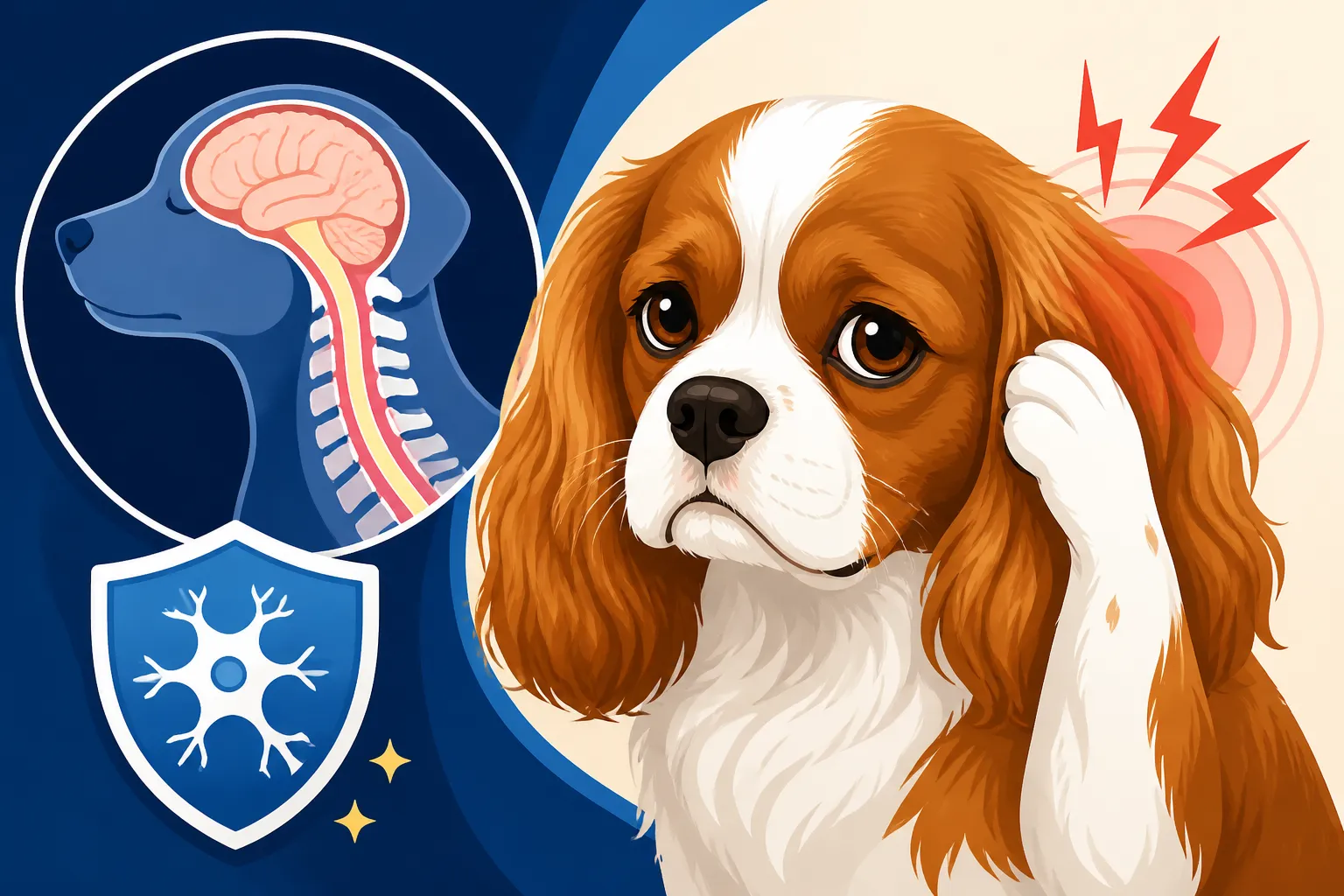
Syringomyelia Against Ear Pain in a Cavalier
It's incredibly frustrating when your sweet Cavalier King Charles Spaniel starts showing signs of discomfort, especially when those signs can be confusing and point to a couple of very different issues. Owners often find themselves agonizing over whether their beloved companion is simply battling a stubborn ear infection or, far more frighteningly, displaying the early indicators of Syringomyelia (SM). This guide aims to clear up that confusion, helping you understand the subtle yet crucial differences between ear pain and SM, so you can advocate effectively for your Cavalier's health.
The Complexities of Syringomyelia in Cavaliers
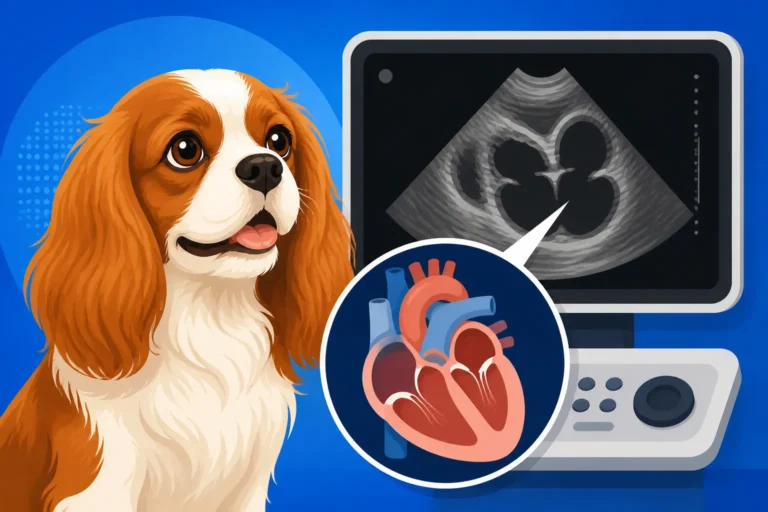
Syringomyelia is a truly heartbreaking condition that disproportionately affects Cavalier King Charles Spaniels. It’s a progressive neurological disorder where fluid-filled cavities, called syrinxes, form within the spinal cord. This typically happens because the Cavalier’s skull is often too small for its brain, leading to a condition known as Chiari-like malformation (CM), where the cerebellum is pushed out of the back of the skull. This crowding obstructs the normal flow of cerebrospinal fluid (CSF), causing pressure waves that essentially create these painful syrinxes.
What Syringomyelia Actually Is
To truly grasp Syringomyelia, we need to understand its roots in Syringomyelia and Chiari Malformation in Cavaliers. Imagine a brain that’s just a little bit too big for its bony container. This is often the reality for our Cavaliers. The back part of their brain, the cerebellum, gets squeezed and pushes down into the opening at the base of the skull (the foramen magnum). This isn't just uncomfortable; it disrupts the delicate balance of cerebrospinal fluid that bathes the brain and spinal cord. Instead of flowing freely, the CSF gets forced into the spinal cord tissue itself, creating those pockets of fluid—the syrinxes.
The severity of SM can vary wildly. Some Cavaliers might have large syrinxes but show no outward signs of pain for years, if ever. Others might have very small syrinxes and be in excruciating pain. This variability makes diagnosis challenging and underscores why it’s not always about the size of the syrinx, but its location and the pressure it exerts on nerve fibers. It's a cruel twist of genetics that their adorable, domed heads, a hallmark of the breed, can be the very cause of such suffering, as elaborated in Why a Cavalier Skull Is Too Small for Its Brain.
How SM Pain Manifests
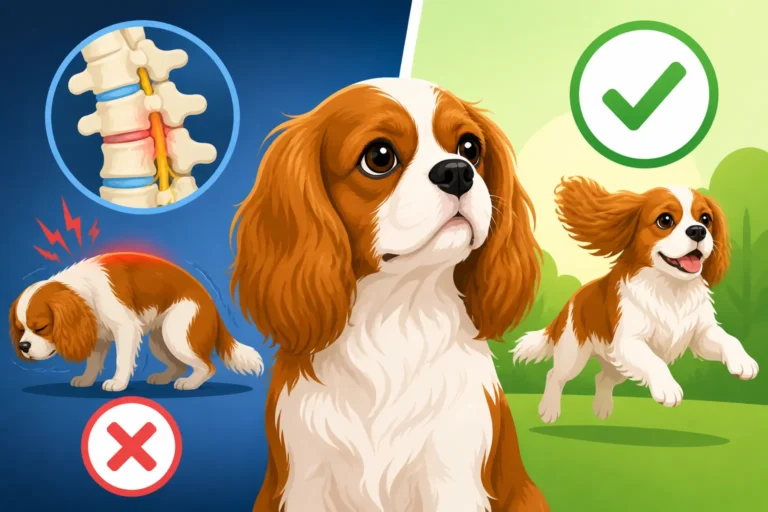
One of the most characteristic and often unsettling signs of SM pain is what's commonly called "phantom scratching" or "air scratching." Your Cavalier might suddenly start scratching intensely at their shoulder, neck, or chest, but without actually making contact with their skin. They're scratching at nothing, or rather, at an internal sensation that feels like an itch, burning, or tingling under their skin. This isn't just a quirky habit; it's a clear indicator of nerve pain, as detailed further when discussing Phantom Scratching in a Cavalier and Air Scratching as a Cavalier's First Warning Sign.
Beyond phantom scratching, an SM-affected Cavalier might exhibit extreme sensitivity around their neck, head, or shoulders. They might yelp or flinch when you try to pet them in those areas, or when you attempt to pick them up, even if you’re usually gentle. The sudden yelp or cry when touched can be startling and distressing for owners, a common sign explored in A Cavalier That Yelps When Picked Up. Another tell-tale sign can be how they sleep or rest. Cavaliers with SM often try to alleviate pressure by sleeping with their head elevated, sometimes perched on a pillow or toy, rather than lying flat. This particular posture is a quiet cry for relief, as discussed in A Cavalier That Sleeps With Its Head Raised. The pain can also be exacerbated by excitement, exercise, changes in temperature, or pressure from a collar, making their daily life a minefield of potential triggers.
Behavioral Shifts Associated with SM
Living with constant or intermittent pain inevitably takes a toll on a dog's demeanor, and Cavaliers with SM are no exception. You might notice a previously cheerful and outgoing Cavalier becoming withdrawn, less interested in playtime, or even irritable. They might snap or growl when approached, particularly by children or other pets who don't understand their pain boundaries. This change in personality can be one of the most heartbreaking aspects for owners, and it's a topic that delves into Whether Syringomyelia Changes a Cavalier's Temperament.
Beyond direct irritability, an SM Cavalier might simply seem "off." They might hesitate or refuse to jump on furniture, climb stairs, or even engage in their usual enthusiastic greetings. A Cavalier that suddenly refuses to climb stairs, a behavior often taken for granted, is a strong indicator that something is amiss internally, as highlighted in A Cavalier That Refuses Stairs. They might spend more time sleeping or seem generally subdued. These subtle behavioral changes are often the first clues that something more serious than a simple itch is bothering your beloved companion. It’s important to remember that these aren't just "bad habits" developing; they are often direct responses to underlying physical pain and discomfort.
Understanding and Identifying Cavalier Ear Pain
On the flip side of the coin, ear infections are a super common ailment in dogs, and Cavaliers, with their beautiful, long, floppy ears, are particularly predisposed. While less frightening than SM, an ear infection can cause significant discomfort and, if left untreated, can lead to chronic issues and even hearing loss. The good news is that they're usually straightforward to diagnose and treat.
Common Causes of Ear Discomfort
Cavaliers' ears, with their long feathering and pendulous nature, are unfortunately designed to trap moisture and reduce airflow, creating a warm, dark, and humid environment – essentially a perfect breeding ground for bacteria and yeast. This anatomical predisposition is why Why a Cavalier's Drop Ears Trap Infection is such a pertinent topic for Cavalier owners. Beyond just the shape, various factors can trigger ear discomfort. Allergies, whether environmental (like pollen) or food-related, often manifest as skin irritation, and the ears are frequently a primary target. Your Cavalier might be scratching at their ears not because of an infection, but because of underlying allergies making the skin inside itchy and inflamed.
Other causes include ear mites, particularly in puppies, which cause intense itching and dark, crumbly discharge. Foreign bodies, such as grass awns or burrs, can also become lodged deep in the ear canal, causing sudden and severe pain. Even excessive wax buildup can lead to discomfort and create a hospitable environment for microbial overgrowth. Knowing these common culprits helps you better assess what might be going on inside your Cavalier's ear.
Typical Signs of an Ear Infection
When a Cavalier has an ear infection, the signs are usually quite apparent and localized to the ear itself. The most obvious signal is persistent head shaking. It’s not just a casual shake; it's often vigorous and repeated, as if they are trying to dislodge something annoying or painful. You'll also likely see them scratching vigorously at the affected ear with a paw, sometimes to the point of causing raw spots or secondary skin infections.
Upon closer inspection, you might notice redness and swelling inside the ear flap and canal. There can be discharge, which might be yellow, brown, or black, and can have a waxy or pus-like consistency. Crucially, ear infections often come with a distinct, unpleasant odor. This smell can range from sweet and yeasty to foul and pungent, and it's a strong indicator of an infection, as explored in The Smell That Means a Cavalier Ear Infection. Your Cavalier might also hold their head tilted to one side or show clear signs of pain when you gently try to touch or examine the ear. If they recoil, whimper, or snap when their ear is handled, that's a pretty clear sign of localized pain.
Differentiating Ear Pain from Neurological Pain
Here’s where it gets tricky, but also where careful observation pays off. The key difference lies in the localization and type of pain. With an ear infection, the pain is specifically centered in the ear itself. If you gently manipulate the ear flap or the base of the ear, your Cavalier will likely react with discomfort. The scratching is at the ear, directly to relieve the itch or pain originating from within the ear canal.
Neurological pain from SM, however, usually originates from the neck and shoulder area. The "scratching" associated with SM is often the phantom, air-scratching motion, directed at the shoulder or chest, not directly at the ear. If your Cavalier's ears appear perfectly clean and healthy inside, with no redness, discharge, or odor, but they are still scratching and showing signs of discomfort, especially around the neck, you should start considering SM as a possibility. It’s less about an external irritation and more about an internal nerve sensation that they’re trying to relieve. It's a nuanced distinction, but one that can guide your veterinary conversations.
Key Distinctions and Diagnostic Pathways
Knowing the difference between these two conditions is paramount, not just for your peace of mind, but for getting your Cavalier the right treatment as quickly as possible. Misdiagnosing SM as an ear infection, or vice-versa, can lead to prolonged suffering and potentially more serious complications down the line.
Pinpointing the Primary Location of Discomfort
The most crucial step in differentiating SM from ear pain is becoming a detective of your dog's discomfort. Observe where they are scratching. Is the paw going directly into or around the ear canal, physically attempting to relieve an itch on the ear? If so, it strongly points to an ear issue. If, however, your Cavalier is scratching vigorously at their shoulder, chest, or neck region without making physical contact with their skin, it’s a red flag for phantom scratching indicative of SM.
Consider what triggers the reaction. Does touching their actual ear make them yelp or pull away? This suggests ear pain. But if they react with pain or flinching when you touch their neck, shoulders, or even their back, even if their ears seem perfectly fine, you should be thinking about a neurological cause. Watch their head posture. Is it consistently tilted, or are they trying to hold it in an unusual way to relieve pressure? These subtle cues are vital.
The Importance of a Thorough Veterinary Examination
When you notice any of these signs, the first port of call is always your veterinarian. They will begin with a thorough physical examination. For suspected ear pain, this includes an otoscopic examination of the ear canals to look for inflammation, discharge, mites, or foreign bodies. They'll also perform an ear cytology, taking a swab of the discharge to examine under a microscope, which can quickly identify whether bacteria, yeast, or mites are present.
If the ear exam comes back clear, or if your Cavalier is exhibiting clear signs of phantom scratching or neck pain, your vet will then proceed with a neurological examination. This involves assessing gait, reflexes, pain responses, and cranial nerve function. It’s during this exam that a skilled vet might pick up on specific signs that point towards a neurological issue rather than a peripheral one. Your vet might also gently palpate the neck and spine to see if they elicit a pain response. This is a critical step in Telling Syringomyelia From a Cavalier Ear Infection. Don't be afraid to clearly describe all your observations, no matter how small they seem, as they can provide valuable clues.
Advanced Diagnostics
If, after a thorough physical and neurological exam, your vet suspects Syringomyelia, the definitive diagnostic tool is a magnetic resonance imaging (MRI) scan of the brain and cervical spine. An MRI is the only way to visualize the Chiari-like malformation and the syrinxes within the spinal cord. It allows the veterinary neurologist to see the extent, size, and location of any syrinxes, providing a clear picture of the internal problem. Of course, an MRI is a significant financial undertaking, and it often requires general anesthesia for your dog to remain completely still, as highlighted in discussions around What a Cavalier MRI Scan Costs and Shows. Many owners consider pet insurance options like Healthy Paws, especially when their Cavaliers are young, to help manage these unexpected, high-cost diagnostics.
Other diagnostic tests, like X-rays, are generally not useful for diagnosing SM directly, as syrinxes are soft tissue structures and don't show up on plain radiographs. However, X-rays might be used to rule out other orthopedic issues that could be causing neck or back pain. Blood tests are also usually normal in SM cases but are essential to rule out other systemic illnesses or to assess overall health before anesthesia.
| Symptom / Indicator | Suggests Ear Pain | Suggests Syringomyelia |
|---|---|---|
| Scratching Motion | Directed at the ear, with physical contact. | Directed at shoulder/neck/chest, often "air scratching." |
| Location of Pain | Primarily ear canal, outer ear. | Neck, shoulders, forelimbs, occasionally back. |
| Response to Touch | Pain/flinching when ear is touched/manipulated. | Pain/flinching when neck/shoulder is touched/pressed. |
| Ear Appearance | Redness, discharge, odor, swelling in ear canal. | Ears often appear normal; no discharge or odor. |
| Head Tilt | Possible, but usually accompanied by other ear signs. | May hold head up, or sleep with head elevated. |
| Triggers | Worsens with ear manipulation, water in ears. | Worsens with excitement, collar pressure, temperature changes. |
| Other Behaviors | General irritability, but usually localized. | Withdrawal, reluctance to jump/play, altered temperament. |
Management and Support for Both Conditions
Once a diagnosis is made, the focus shifts to managing the condition and ensuring your Cavalier has the best possible quality of life. The approaches for SM and ear infections are vastly different, emphasizing why accurate diagnosis is so important.
Treatment Strategies for Syringomyelia
For Syringomyelia, treatment is primarily aimed at pain management and slowing the progression of the disease. Medical management often involves a combination of medications. Gabapentin is a common choice, an anticonvulsant that also helps with nerve pain, and discussions around Gabapentin for a Cavalier With Neck Pain are frequent among owners. Other medications might include NSAIDs (non-steroidal anti-inflammatory drugs) to reduce inflammation, or even corticosteroids in some severe cases. Diuretics and other drugs can be used to try and reduce CSF production, thereby theoretically lowering pressure within the syrinxes. Managing the pain is key to improving a Cavalier's comfort and demeanor, a topic extensively covered in Pain Relief for a Cavalier With Syringomyelia.
Beyond medication, lifestyle adjustments are crucial. Switching from a collar to a harness can significantly reduce pressure on the neck, which can be a trigger for SM pain, as advocated in Harnesses Instead of Collars for a Cavalier. Providing ramps to access furniture, avoiding situations that cause excessive excitement or overheating, and ensuring a quiet, comfortable environment are all important. In very severe, intractable cases, surgical intervention, such as foramen magnum decompression surgery, might be considered. This involves removing a small piece of bone from the back of the skull to create more space for the brain. However, surgery is a major decision with its own risks and varying success rates, which often comes up in discussions about Whether Decompression Surgery Helps a Cavalier. Ultimately, living with and managing SM is a long-term commitment focused on maintaining comfort, as outlined in Living With a Cavalier That Has Syringomyelia.
Resolving and Preventing Ear Issues
Treating ear infections is generally more straightforward. Your vet will prescribe appropriate medications based on the cytology results – antibiotics for bacterial infections, antifungals for yeast, or antiparasitics for mites. These usually come in the form of ear drops that you administer at home. Learning the correct technique for Getting Drops Into a Cavalier's Ear Canal is important to ensure the medication reaches deep into the ear. In some cases, a thorough professional ear cleaning under sedation might be necessary, especially if there's a lot of debris or a foreign body.
Prevention is a huge part of ear care for Cavaliers. Regular ear checks are essential, ideally as part of your daily grooming routine. You should be familiar with Daily Ear Checks on a Cavalier to catch issues early. Cleaning your Cavalier's ears regularly with a vet-approved ear cleaner can help prevent buildup and maintain a healthy ear environment, and selecting an Ear Cleaner Worth Using on a Cavalier is a good investment. If allergies are the root cause, your vet might recommend special diets, allergy medications, or immunotherapy to manage the underlying condition, as explored in Whether Cavalier Ear Infections Are Allergic. Addressing allergies often means fewer ear infections. Pet insurance, like that offered by Healthy Paws, can be incredibly helpful for covering chronic ear infection treatments or unexpected specialist visits if allergies are severe. It helps take the sting out of recurrent vet bills and allows you to prioritize the best care for your Cavalier without undue financial stress.
The journey of caring for a Cavalier, with their unique health challenges, can be daunting. But with careful observation, prompt veterinary care, and a clear understanding of conditions like Syringomyelia and ear pain, you can provide them with a life full of love and comfort. Remember, you are their strongest advocate, and being informed is your best tool.
Disclaimer
The information provided in this article is for general informational purposes only and is not a substitute for professional veterinary advice. Always consult with a qualified veterinarian for any health concerns or before making any decisions related to your pet's health or treatment.