How Many Cavaliers Actually Have Syringomyelia
It’s a heart-wrenching worry for any Cavalier King Charles Spaniel owner: the specter of Syringomyelia (SM). You might have heard terrifying statistics, or perhaps you've seen a beloved Cavalier suffering, and you're left wondering just how common this condition truly is. This guide aims to cut through the confusion and provide a realistic understanding of how many Cavaliers are actually affected by Syringomyelia, helping you navigate this complex health challenge.
The Overwhelming Reality: What Studies Reveal About Syringomyelia in Cavaliers
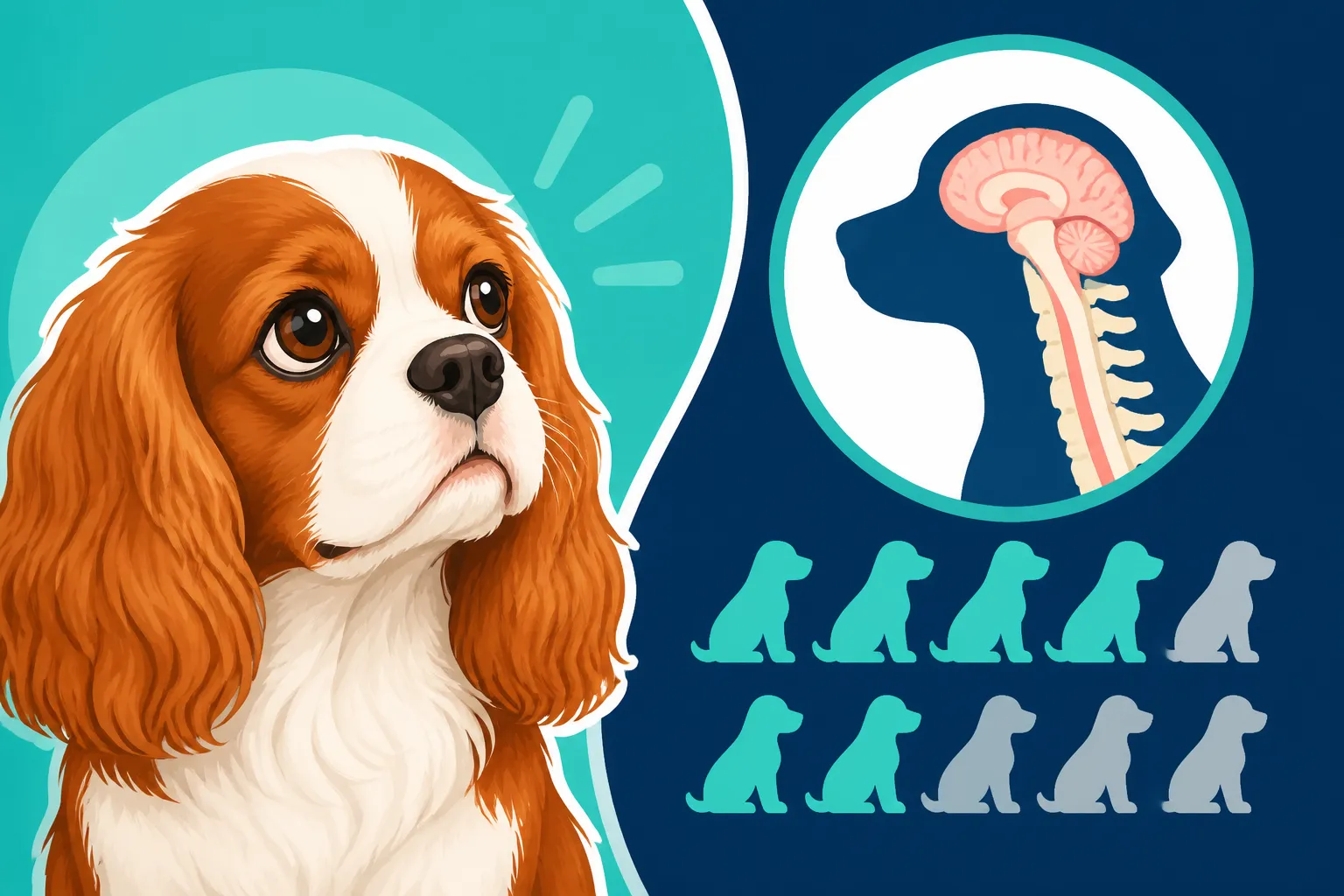
When we talk about Syringomyelia (SM) in Cavaliers, it's crucial to understand that it almost always stems from a condition called Chiari-like Malformation (CM). Think of CM as the structural problem where the skull is too small for the brain, specifically the cerebellum, which then gets pushed into the spinal canal. Syringomyelia is the result of this structural issue, where cerebrospinal fluid (CSF) flow is disrupted, leading to fluid-filled cavities (syrinxes) forming within the spinal cord itself. So, while not all dogs with CM develop SM, nearly all Cavaliers with SM first have CM.
The statistics can be quite alarming, and they come predominantly from MRI studies performed on Cavaliers. These studies have consistently shown incredibly high rates of Chiari-like Malformation in the breed. In some studies, especially those focusing on research populations, the prevalence of CM can be as high as 95-98% in Cavalier King Charles Spaniels, even in those showing no clinical signs. This means that a vast majority of Cavaliers have the underlying anatomical issue.
Now, let's talk about Syringomyelia itself – the actual fluid-filled pockets in the spinal cord. While nearly all Cavaliers have CM, not all of them go on to develop SM, or at least not symptomatic SM. However, the numbers for SM are still profoundly high. Research published over the last two decades indicates that approximately 30-70% of Cavalier King Charles Spaniels will develop Syringomyelia at some point in their lives. The range is wide because studies vary in the age of the dogs scanned, the criteria for defining a syrinx, and whether they included only symptomatic dogs or a broader population.
For example, a landmark study published in the Journal of Veterinary Internal Medicine found that a significant percentage of Cavaliers, even young ones, show evidence of SM on MRI. Another study, looking at a diverse group of Cavaliers, found that by the age of six years, about 50% had developed SM, and of those, a large portion were symptomatic. These figures are not just numbers; they represent a genetic predisposition that has become deeply embedded in the breed's lineage due to selection for specific physical traits, like a domed head, that inadvertently compressed the space for the brain. The consensus among veterinary neurologists and researchers is that SM is incredibly widespread within the breed, making it one of the most significant health concerns for Cavaliers. If you're looking for more in-depth information, understanding Syringomyelia and Chiari Malformation in Cavaliers can be a great starting point.
Beyond the Statistics: Why Official Numbers Are Hard to Pin Down
While the research studies give us a stark picture, translating those percentages to the general Cavalier population you see at the dog park or in your neighborhood is surprisingly complex. The reasons are multi-faceted, making it difficult to give a single, universally accepted "official" number for how many Cavaliers actually have Syringomyelia.
The Asymptomatic Conundrum
One of the biggest challenges is the existence of asymptomatic Cavaliers. Many dogs can have Chiari-like Malformation and even Syringomyelia visible on an MRI scan without ever showing a single clinical sign of pain or neurological deficit. They might live long, happy lives, and their owners would never know they harbored this condition. These dogs skew the "prevalence" numbers because they contribute to the high percentages found in research scans, but they aren't suffering in the way that often prompts an owner to seek a diagnosis. This is why when you hear discussions about How Many Cavaliers Actually Have Syringomyelia, it’s crucial to differentiate between having the anatomical condition and having symptomatic disease.
Conversely, some Cavaliers might have very subtle signs that are easily missed or misattributed to other issues. A bit of phantom scratching, a reluctance to be handled around the neck, or a slight change in gait might be dismissed as quirks, when in fact, they could be early indicators of SM. This leads to an underestimation of symptomatic cases if owners don't recognize the signs. For instance, Air Scratching as a Cavalier's First Warning Sign or Phantom Scratching in a Cavalier are often overlooked.
The Cost Barrier to Definitive Diagnosis
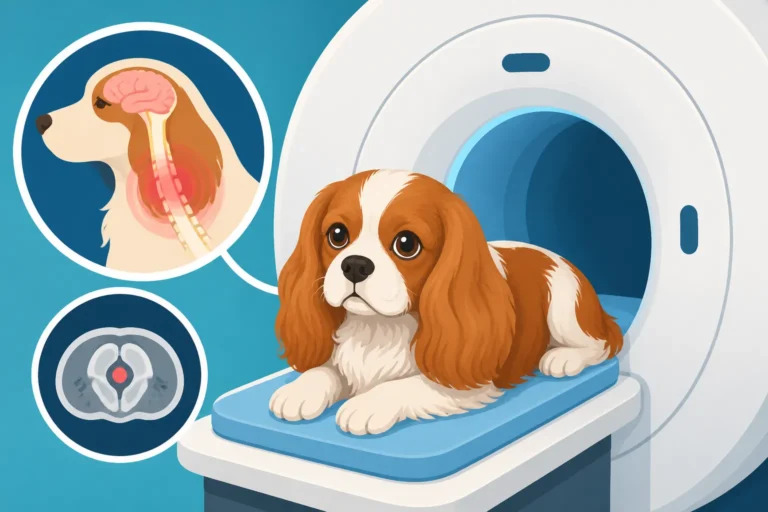
The only definitive way to diagnose Chiari-like Malformation and Syringomyelia is through a specialized MRI scan of the brain and cervical spine. This isn't a routine vet visit. An MRI requires general anesthesia, typically involves a referral to a veterinary neurologist, and comes with a significant price tag. The cost of a Cavalier MRI scan can range from $2,000 to $4,000, sometimes even more depending on the location and facility.
Because of this financial hurdle, many Cavalier owners don't pursue an MRI unless their dog is showing clear, debilitating symptoms. This means that a large number of Cavaliers who might have SM, either symptomatic or asymptomatic, simply go undiagnosed in the general pet population. They don't contribute to the diagnostic statistics, creating a gap between the research-based prevalence rates and the perceived prevalence among pet owners. This financial consideration is why many conscientious Cavalier owners consider pet insurance like Healthy Paws early on, to potentially cover the high costs of diagnostic procedures like an MRI if symptoms arise later. It’s a sad reality that the cost of What a Cavalier MRI Scan Costs and Shows can be a deciding factor for many.
Distinguishing CM from SM for Accurate Reporting
Another layer of complexity is the distinction between Chiari-like Malformation (CM) and Syringomyelia (SM). As mentioned, CM is the structural problem. SM is the development of fluid-filled cavities within the spinal cord because of CM. It's possible for a Cavalier to have severe CM without developing clinically significant SM, or even any syrinx at all. Conversely, a seemingly mild CM can sometimes lead to very painful SM. Research often reports prevalence for CM, then for SM, and then for symptomatic SM, each with different percentages.
This nuanced reporting can be confusing for owners trying to understand their own dog's risk. When someone asks "how many Cavaliers have SM?", are they asking about the presence of a syrinx on MRI, or about dogs actively experiencing pain and neurological signs from SM? The answer often differs significantly. This is why discussions around Whether Every Cavalier Should Be Scanned are ongoing in the veterinary community, weighing the benefits of early detection against the costs and risks of anesthesia.
Here’s a simplified look at the different categories and why statistics vary:
| Condition Category | Description | Prevalence (Approximate) | Diagnostic Challenge |
|---|---|---|---|
| Chiari-like Malformation (CM) only | The skull is too small for the brain, causing cerebellar herniation, but no syrinx (fluid pocket) has formed in the spinal cord. Dog may or may not show subtle signs. | 95-98% | High, as many are asymptomatic and MRI is required for diagnosis. |
| Asymptomatic Syringomyelia (SM) | A syrinx is present in the spinal cord, visible on MRI, but the dog shows no clinical signs of pain or neurological issues. | 30-70% | Very high, as no symptoms prompt a scan; often found incidentally in research or pre-breeding scans. |
| Symptomatic Syringomyelia (SM) | A syrinx is present and the dog is displaying clinical signs such as pain, phantom scratching, weakness, or gait changes. The severity of symptoms can vary greatly. | 5-20% (of general pop) | Moderate, as symptoms usually lead to vet visits, but definitive MRI is still a significant hurdle. |
This table highlights why providing a single "how many" number is so difficult. The underlying genetic predisposition for CM is nearly universal in the breed, but the progression to symptomatic SM is what truly impacts a Cavalier's quality of life.
Understanding Your Cavalier's Risk and What You Can Do
Given the incredibly high prevalence of Chiari-like Malformation and Syringomyelia within the Cavalier King Charles Spaniel breed, it's not a matter of if your dog might be at risk, but rather how to understand and manage that inherent risk. This knowledge isn't meant to scare you, but to empower you as a responsible owner.
Recognizing the Signs, Even the Subtle Ones
Since not every Cavalier gets an MRI unless symptoms are present, being acutely aware of potential signs is your first line of defense. The symptoms of SM can vary widely in severity and presentation. They can include:
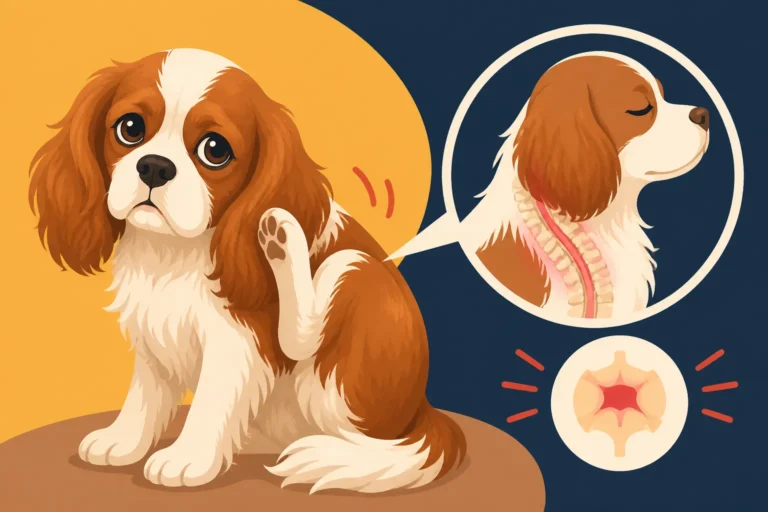
- Phantom scratching or "air scratching": This is often the most iconic sign, where the dog scratches at its shoulder, ear, or neck, but doesn't actually make contact with its skin. It's often worse when the dog is excited, on a leash, or being petted around the neck and head.
- Neck and shoulder pain: Your Cavalier might yelp when picked up, be reluctant to jump on furniture, or even cry out when gently touched around the neck or ears. They might also sleep with their head elevated to try and alleviate pressure, a behavior that might seem quirky but can signal underlying discomfort. Consider it a serious red flag if you notice A Cavalier That Yelps When Picked Up or A Cavalier That Sleeps With Its Head Raised.
- Weakness or incoordination: In more advanced cases, you might notice weakness in the limbs, especially the back legs, or an unsteady gait.
- Behavioral changes: A once-outgoing and friendly Cavalier might become withdrawn, irritable, or even snap when approached, especially if they are in pain. This can be heartbreaking to witness, and often points to underlying physical discomfort as discussed in Behavior Changes That Mean a Cavalier Hurts.
- Head rubbing or head tilt: Less common, but can occur.
It's vital to remember that these signs can also be indicative of other issues, such as ear infections, allergies, or orthopedic problems. This is where a thorough veterinary examination, and potentially a referral to a neurologist, becomes critical. Don't dismiss subtle changes; instead, bring them to your vet's attention promptly. Early intervention can make a world of difference for a Cavalier.
The Role of Ethical Breeding and Genetic Screening
While there isn't a simple DNA test for SM itself (as it's a structural issue, not a single gene mutation), ethical breeders play an absolutely crucial role in trying to reduce the incidence of symptomatic SM. Responsible breeders adhere to strict breeding protocols, which often include MRI scanning their breeding dogs before they are bred. They aim to select parents who are older and have clear MRIs or, at minimum, a very mild CM with no evidence of SM. The goal is to breed away from the most severe forms of CM that lead to painful SM. This is similar in principle to the rigorous health testing done for other common Cavalier issues, such as The Heart Testing a Cavalier Breeder Must Do to combat Mitral Valve Disease in the Cavalier King Charles Spaniel.
When considering a Cavalier puppy, always ask to see the MRI results of both parents, along with other health clearances. A breeder committed to scanning can dramatically improve the odds of your puppy living a healthier life, even if the underlying CM risk remains high in the breed overall. This transparency is a hallmark of a breeder truly dedicated to the health of their lines.
Proactive Management and Support
If your Cavalier does receive an SM diagnosis, or even if you're managing potential symptoms without a definitive MRI, there are many ways to support them.
- Veterinary consultation: Work closely with your veterinarian and, if possible, a veterinary neurologist. They can guide you through diagnosis, pain management strategies (which often involve medications like gabapentin), and other supportive care options. Learning about Pain Relief for a Cavalier With Syringomyelia is essential.
- Environmental adjustments: Simple changes at home can make a big difference. Ensure your Cavalier isn't straining its neck. Consider using a harness instead of a collar for walks, as collars can put pressure on the neck and exacerbate pain. You can read more about why Harnesses Instead of Collars for a Cavalier are often recommended. Provide ramps or steps to help them get on and off furniture, reducing the need for jumping.
- Regular, gentle exercise: Keep your Cavalier active but avoid overly strenuous activities that involve sudden head movements or heavy impact. Short, consistent walks are generally best.
- Weight management: Keeping your Cavalier at a healthy weight is paramount, as excess weight can put additional strain on their spine and joints, potentially worsening discomfort.
- Monitor for changes: Continue to observe your Cavalier closely for any changes in behavior, scratching patterns, or mobility. Early detection of worsening symptoms allows for quicker adjustment of treatment plans. Being proactive about Living With a Cavalier That Has Syringomyelia can significantly improve your dog's quality of life.
While the numbers regarding Syringomyelia in Cavaliers can seem daunting, understanding them empowers you. It allows you to choose a responsible breeder, recognize potential signs early, and provide the best possible care for your beloved companion, ensuring they live their happiest, most comfortable life possible.
Disclaimer
The information provided in this article is for educational purposes only and should not be considered a substitute for professional veterinary advice. Always consult with a qualified veterinarian regarding your pet's health and any medical conditions.