Behavior Changes That Mean a Cavalier Hurts
It's incredibly distressing when your sweet Cavalier, usually a beacon of joy and boundless affection, suddenly starts acting differently. You know something's off, but they can't tell you what hurts, and that silent struggle can be truly heartbreaking for any devoted owner. This guide is here to help you unravel those subtle, and sometimes not-so-subtle, behavioral changes that often signal your Cavalier is in pain, offering insight and actionable steps to get them the help they need.
Understanding the Cavalier's Nature and How Pain Hides
Cavalier King Charles Spaniels are renowned for their gentle, adaptable, and utterly devoted personalities. They are often described as "Velcro dogs" because they thrive on companionship and want to be right by your side, always ready for a cuddle or a game. This beautiful temperament, however, can sometimes work against them when they're not feeling well. Their inherent desire to please and their stoic nature can lead them to mask discomfort, making it incredibly challenging for owners to identify when something is truly amiss.
The "Always Happy" Cavalier Facade
You know the look – that perpetually wagging tail, the soft, melting eyes, and the eager little trot that promises endless devotion. Cavaliers are, by and large, happy-go-lucky dogs. They want to be involved, to be loved, and to spread their unique brand of cheer. Because of this, many owners might initially dismiss subtle changes as just an "off day" or a temporary mood. It's easy to think, "My Cavalier is always happy, so if they were truly hurting, I'd know." But this isn't always the case. Their default setting of contentment can be a very effective camouflage for underlying pain. They might still greet you with a wag, but the quality of that wag, or the speed of their approach, might be subtly different if you know what to look for.
Why Cavaliers Don't Always Cry Out
Unlike some breeds that might vocalize every little ache or discomfort, Cavaliers often possess a quiet stoicism. They are bred to be gentle companions, not boisterous guards or rugged working dogs that might use a loud yelp as a primary communication tool. This means a Cavalier in pain might not cry out, whine incessantly, or visibly limp until the discomfort is quite severe. Instead, their pain might manifest as a withdrawal, a subtle shift in their posture, or a refusal to engage in activities they once loved. It's a survival instinct for many animals not to show weakness, and while our Cavaliers are pampered pets, some of those instincts remain. We often have to become detectives, observing closely for clues that other dogs might shout from the rooftops.
Subtle Shifts Versus Obvious Lameness
When we think of a dog in pain, our minds often jump straight to a pronounced limp or a yelp when touched. And yes, these are certainly signs of pain, but for a Cavalier, it often starts much more subtly. You might notice a slight hesitation before jumping on the sofa, a less enthusiastic greeting at the door, or a minor drag of a back paw that's barely perceptible. These aren't dramatic cries for help; they're whispers. Over time, these whispers can become louder, evolving into more obvious lameness, a hunched back, or a distinct reluctance to move. The key is catching those quiet signs early, before the pain becomes debilitating and potentially more difficult to manage.
Changes in Movement and Posture
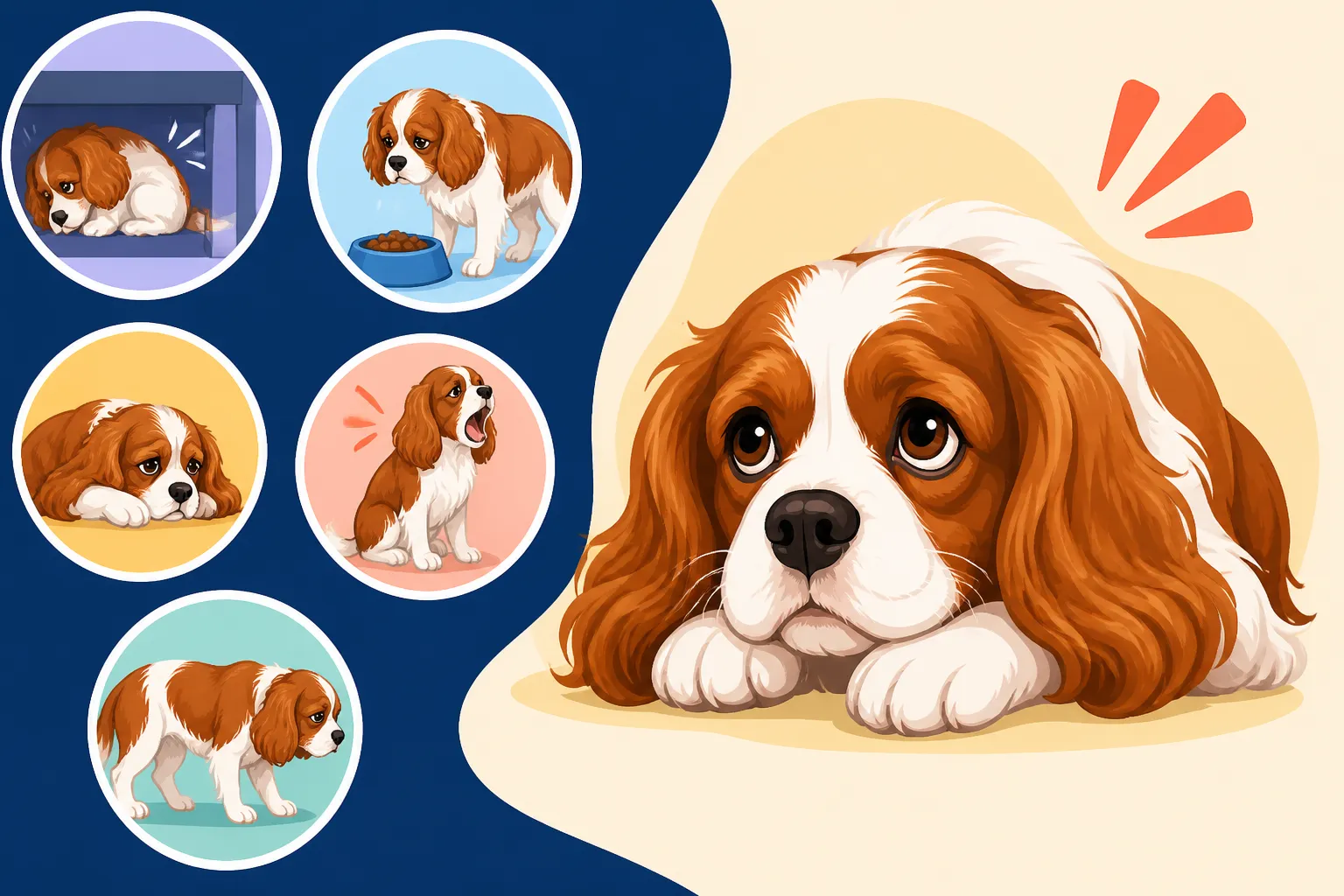
One of the most telling indicators that your Cavalier is in pain can be found in how they move or hold themselves. Because their entire body is involved in movement, even a small ache can create noticeable alterations in their physical expression. These aren't always grand gestures; sometimes, they're barely noticeable shifts that only a keen-eyed owner would catch.
Reluctance to Move or Play
Your Cavalier, usually thrilled to chase a ball or scamper after you for a walk, might suddenly seem less interested. They might hesitate at the bottom of the stairs, or perhaps they'll watch their favorite toy bounce across the floor without attempting to retrieve it. This isn't laziness; it's often a calculated decision based on how much discomfort movement might cause. They might still want to play, but the thought of the pain it will bring overrides their desire.
Consider a Cavalier who used to launch himself onto the sofa for cuddles but now stands at the edge, looking up at you with sad eyes, waiting for you to lift him. This isn't them being spoiled; it's a clear signal that jumping causes pain in their joints, back, or neck. They might even decline a walk they previously adored, choosing instead to lie quietly in their bed. A Cavalier That Tires on Short Walks could be another subtle sign.
This reluctance can also extend to less strenuous activities. Perhaps they used to greet you with exuberant wiggles and now offer a more subdued, almost stiff, welcome. They might opt to lie down more often during the day or resist getting up from a comfortable spot. Pay attention to how quickly they settle back down after being prompted to move.
Altered Gait, Stiffness, or Limping
While obvious limping is a clear sign, a Cavalier in pain might exhibit more subtle changes in their gait. You might notice a slight unevenness in their stride, a stiffness when they first stand up after resting, or a tendency to favor one side. It could manifest as a short-strided walk, almost as if they're walking on eggshells, or a less fluid, more rigid movement through their hips and back. This is particularly relevant given conditions like Cavalier Knees, Hips and Joint Problems are not uncommon.
Observe them from behind as they walk away. Do their hips sway evenly? Is their tail carriage natural and relaxed, or is it held stiffly? Sometimes, a subtle "bunny hop" when running, where both back legs move together, can indicate hip or knee discomfort. They might also appear to be walking "low to the ground," almost hunching their body as they move, trying to minimize impact.
Watch them as they lie down and get up. Do they groan? Do they circle excessively before finding a comfortable spot? Do they struggle to push themselves up with their back legs? These are all indicators that moving from a resting position to standing, or vice-versa, is causing pain or significant stiffness.
Unusual Body Postures
A Cavalier's normal posture is generally alert and balanced, with their head held high and their back relatively level. When in pain, they might adopt unusual postures to try and alleviate discomfort. A hunched back, where their spine is visibly rounded, is a classic sign of abdominal pain or back discomfort. They might stand with their head held unusually low, or avoid raising it quickly, especially if they have neck pain from conditions like Syringomyelia and Chiari Malformation in Cavaliers.
You might also see them shifting their weight constantly, unable to get comfortable, or perhaps holding one paw up slightly even when not actively limping. Sometimes, they might sit or lie in odd positions, splayed out in an uncharacteristic way, or curl up very tightly, trying to protect a sore area. A common posture indicating neck or head pain is sleeping with their head elevated, often propped on a toy or a cushion, which can be a sign of neurological discomfort. A Cavalier that yelps when picked up might also be signaling significant spinal or neck pain, and their posture might become rigid in anticipation of being handled.
Consider if they are stretching more often or in unusual ways, attempting to relieve tension, or conversely, if they suddenly stop stretching altogether because it exacerbates their pain. Any sustained or repeated change in their typical resting or standing posture warrants a closer look.
Behavioral Changes Around Handling and Touch
Cavaliers are touch-oriented dogs. They live for belly rubs, ear scratches, and being nestled close to their humans. When a dog who normally craves physical contact suddenly shies away, or worse, reacts aggressively, it's a massive indicator that something is very wrong beneath the surface. This is one of the most heartbreaking changes to witness, as it goes against their very nature.
Sensitivity to Touch or Grooming
If your Cavalier flinches, pulls away, or even gives a sharp yelp when you try to pet a specific area, it's a clear sign of localized pain. This could be a sore joint, a tender muscle, or an area of inflammation. What used to be a pleasurable petting session can become a source of anxiety or fear for them if they anticipate pain. You might notice them tensing up the moment your hand approaches a particular spot.
Grooming, which for many Cavaliers is a calm, even enjoyable activity, can become a battle. Brushing their beautiful feathering or ears might elicit a growl or a snap if they have sensitive skin, a mat pulling on their skin, or a deeper pain in their joints or spine. If they suddenly resist having their paws touched for nail trims, it could indicate foot pain or even a joint issue higher up the leg. Be especially observant when you're cleaning their ears; resistance could point to Recurrent Ear Infections in a Cavalier or discomfort inside the ear canal.
They might also become unusually sensitive when being picked up or lifted, especially if the pain is in their back, neck, or abdomen. A swift, sharp yelp or a sudden stiffening of their body when you attempt to lift them indicates that movement of that area is extremely painful. Consider opting for Harnesses Instead of Collars for a Cavalier if you suspect neck pain, as a collar can put pressure on sensitive areas.
Growling, Snapping, or Nipping When Handled
This is perhaps one of the most alarming changes to witness in a typically sweet-natured Cavalier. A growl or a snap is a dog's way of saying, "Stop! I hurt, and you're making it worse." It's rarely out of malice, but almost always a desperate plea for space and relief from pain. If your Cavalier, who has never shown aggression, suddenly growls when you try to move them, or snaps when you reach for a toy near them, take it very seriously.
This kind of reaction often happens when the pain is acute, or when they feel trapped and unable to escape the perceived threat of touch. It could be a sign of a neurological issue, like the pain associated with Syringomyelia, where even light touch can feel excruciating. They might also lash out if they're startled by a sudden movement that jars a painful joint.
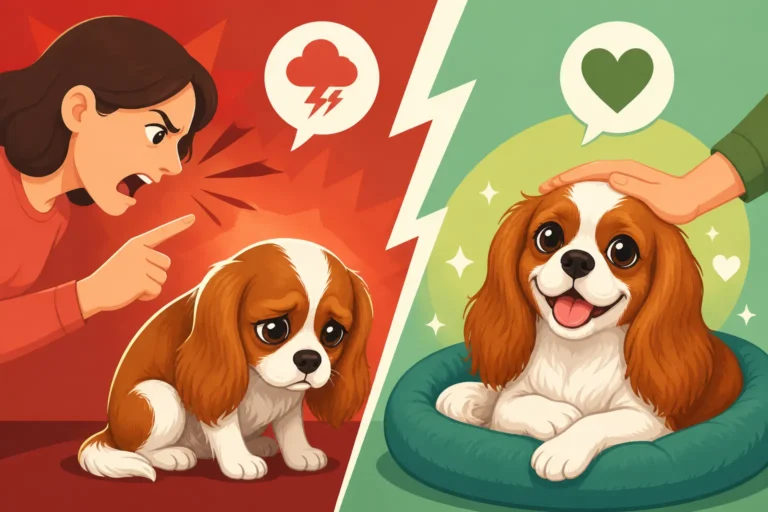
It's crucial not to punish these reactions. Punishing a pain-based growl only teaches your dog to suppress the warning, leading to a potential snap without warning next time. Instead, immediately stop what you're doing, give them space, and consult your vet. This behavioral change is their most urgent communication that they are in distress.
Hiding or Avoiding Interaction
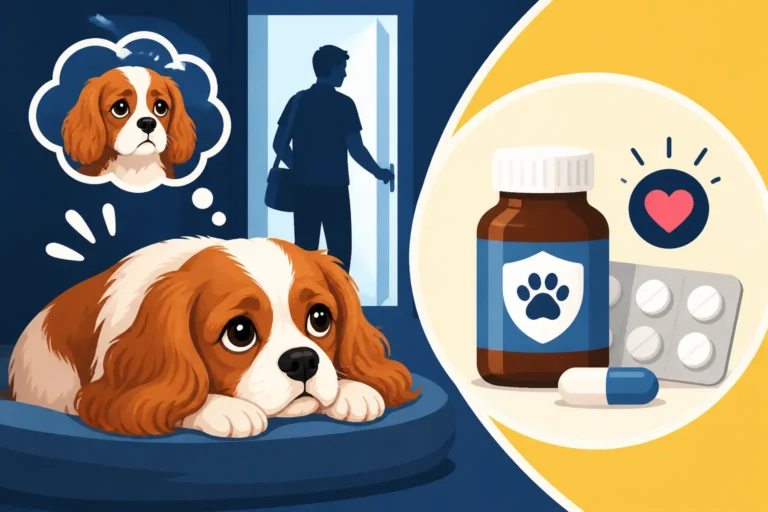
A Cavalier's natural inclination is to be with their people. If your dog starts seeking solitude, retreating to another room, hiding under furniture, or simply turning away when you try to engage with them, it's a significant red flag. They might be trying to find a quiet, undisturbed place to cope with their discomfort, away from accidental bumps or touches.
This avoidance can also manifest as them not coming to greet you at the door, choosing instead to stay in their bed. They might stop following you from room to room – a classic "Velcro dog" behavior. If they usually sleep snuggled up next to you but now prefer to sleep separately, or at the foot of the bed rather than under the covers, it could be a sign that proximity or being jostled during the night is uncomfortable.
Sometimes, this avoidance is very subtle, like them simply lying down a few feet away instead of right at your feet, or shifting their position slightly when you sit down next to them. This desire for increased personal space, especially in a breed so dedicated to companionship, is a profound indicator that they are not feeling well and are trying to manage their pain independently.
Changes in Daily Habits and Routines
Pain doesn't just affect how your Cavalier moves; it can seep into every aspect of their daily life, subtly altering routines you've come to expect. From their eating habits to their sleep patterns, any deviation from the norm warrants attention, as it could be a quiet cry for help.
Altered Appetite or Thirst
A change in appetite is a very common sign of discomfort or illness. If your Cavalier, normally enthusiastic about mealtime, suddenly picks at their food, leaves some behind, or outright refuses to eat, it could be due to pain. Dental issues, such as Cavalier Dental Disease in a Crowded Jaw or a sore tooth, can make chewing painful, leading them to avoid food. Abdominal pain, back pain, or even general malaise from systemic illness can also suppress their appetite.
Conversely, some dogs might develop an increased thirst, especially if they are on certain medications (like some anti-inflammatories) or if they are experiencing kidney issues secondary to other health problems. Pay attention to how quickly their water bowl empties and whether they are asking for water more frequently. Any significant change in their consumption of food or water should prompt a veterinary visit, as these are fundamental to their health.
It's important to differentiate between genuine lack of appetite and simply being finicky. If your Cavalier usually devours anything but now turns up their nose, it's more likely a sign of physical discomfort than a sudden change in taste preference. Also, consider the consistency of the food – if dry kibble becomes too hard to chew, they might show preference for softer treats or canned food.
Disrupted Sleep Patterns
Cavaliers love their naps, often spending a good chunk of their day snoozing comfortably. However, if your Cavalier suddenly can't seem to get comfortable enough to sleep soundly, or if their sleep-wake cycle becomes erratic, pain could be the culprit. They might pace at night, unable to find a position that doesn't exacerbate their discomfort. Or, you might notice them waking up more frequently, shifting positions, or sighing loudly.
They might be restless, constantly getting up and lying back down, or circling endlessly before settling. If they normally sleep through the night but are now waking you up with whining or a desire to move to a different spot, it's a strong indicator. Conversely, an increase in overall sleep could also be a sign, as they might be conserving energy to cope with pain or recovering from an illness.
Observe how they sleep. Do they avoid certain positions they once favored? For instance, if they always curled up tightly but now stretch out rigidly, or vice-versa, it could be an attempt to alleviate pressure on a sore area. A Cavalier with neck pain might sleep with their head propped up rather than lying flat. A Cavalier That Sleeps With Its Head Raised could be a direct clue.
Changes in Toilet Habits or "Accidents"
A sudden change in house-training, especially in an otherwise perfectly trained adult Cavalier, is rarely an act of defiance. More often, it's a sign of a medical problem, and pain is a common underlying cause. They might be having accidents indoors because it's too painful to hold their bladder or bowels, or because it hurts to get up and go outside.
For example, if getting up and going down stairs or through a dog door causes extreme discomfort due to joint pain, they might opt to relieve themselves closer by. Back pain or neurological issues can also affect their ability to control their bladder or bowels, leading to unexpected leaks or full accidents. Increased urination could also be a sign of increased thirst, as mentioned before, or a urinary tract infection.
Pay attention to the circumstances of the accidents. Do they happen after a long period of rest? Is it a small leak or a full void? Are there any changes in the stool or urine itself (e.g., blood, unusual color, straining)? Any of these details can provide crucial information for your veterinarian when trying to pinpoint the source of the problem.
Vocalizations and Expressions of Discomfort
While Cavaliers can be stoic, there are still a range of vocal and non-vocal cues they might use to express pain. These expressions often become more apparent as the pain intensifies or when they feel particularly vulnerable. Learning to interpret these can provide invaluable insight into their condition.
Increased Whining, Yelping, or Groaning
While a Cavalier might not immediately cry out, persistent whining or groaning is a clear sign that they are uncomfortable. This might be a low, continuous whine when they are resting, or short, sharp yelps when they try to move or are touched unexpectedly. They might groan when trying to get up from a lying position, or when settling down for a nap. This kind of vocalization is their way of acknowledging the constant ache or intermittent sharp pains they are experiencing.
You might notice a change in the frequency or intensity of their regular sounds. Perhaps they used to be quiet during car rides but now they whine softly throughout, indicating discomfort with the movement or vibration. Or they might whimper softly in their sleep, suggesting they are even uncomfortable when unconscious. Any new or increased vocalizations that don't seem linked to excitement or desire (like wanting a treat) should be investigated. A classic sign of neck pain or Syringomyelia can be A Cavalier That Yelps When Picked Up.
These sounds are often quiet, not demanding, but rather expressions of deep, persistent discomfort. It's easy to dismiss them as just "being vocal," but in a dog that's usually quiet, they carry significant meaning.
Excessive Licking or Chewing a Specific Area
When a dog is in pain, one of their instinctive reactions is to try and soothe the area by licking or chewing. If you notice your Cavalier obsessively licking a particular paw, joint, flank, or even their lower back, it's often an attempt to alleviate pain or irritation in that spot. This can sometimes lead to "lick granulomas," raw, inflamed patches of skin, even if the initial cause was pain deeper within the body.
For instance, persistent licking of a front paw might indicate arthritis in the wrist or elbow. Licking around the tail base or anal area could suggest anal gland issues or lower back pain. Excessive chewing or scratching at an ear could certainly be a sign of an Cavalier Ear Infections and Why They Recur, but it could also be referred pain from the neck or head, especially if they are also shaking their head frequently.
It's important to watch if this behavior is focused on one area and if it's new. If the licking becomes compulsive or causes skin irritation, it's definitely time for a vet visit. This self-soothing behavior is a direct indicator that they are experiencing localized discomfort.
Facial Expressions of Pain
Just like humans, dogs can convey a lot through their facial expressions. While they can't frown or verbalize their distress, subtle changes in their face can tell you a lot. A Cavalier in pain might have narrowed eyes or squint, tense their brows, or flatten their ears more than usual. Their mouth might be held tightly closed, rather than its usual soft, slightly open, relaxed expression.
You might notice their pupils are dilated, or their gaze is unfocused and distant. The corners of their mouth might be pulled back in a grimace, or they might appear to be panting slightly even when not hot or exercising. Sometimes, their whole face just looks "older" or more drawn, lacking the bright, alert expression you're used to seeing.
Compare their current facial expression to photos of them when they were healthy and happy. Any subtle tension, change in eye shape, or overall "sad" or "worried" appearance can be a strong visual clue that they are experiencing ongoing discomfort. These subtle cues are often the first things we, as attentive owners, pick up on, even before more overt physical signs appear.
Withdrawal and Changes in Social Interaction
Cavaliers are the quintessential companion dogs, known for their affectionate and outgoing nature. They thrive on social interaction and are typically the first to greet visitors or initiate playtime. When a Cavalier starts to withdraw from these interactions, it's often one of the clearest and most heartbreaking signs that they are hurting and struggling to cope.
Avoiding Family Members or Other Pets
A healthy Cavalier will typically seek out human contact, follow you from room to room, and often enjoy snuggling with other pets in the household. If your Cavalier suddenly begins to avoid these interactions, it's a significant change. They might choose to lie in a separate room, turn their back when you approach, or simply not engage in their usual greetings. This isn't because they love you any less; it's often a protective mechanism. They might be trying to prevent accidental bumps or touches that could exacerbate their pain, or they might simply not have the energy or inclination for social engagement when they feel so unwell.
They might also become less tolerant of other pets. A Cavalier who used to happily share a bed with another dog might now growl or snap if the other dog gets too close, especially if the movement of their companion causes them pain. Even playful puppies can find themselves on the receiving end of a warning if an older, painful Cavalier feels encroached upon. This shift in social dynamics within the home is a profound indicator that their usual good nature is being overwhelmed by discomfort.
Loss of Interest in Favorite Activities
Cavaliers usually have a repertoire of favorite activities, whether it's chasing a squeaky toy, a spirited game of tug, or simply going for a walk around the neighborhood. When a Cavalier loses interest in these cherished pastimes, it's a major red flag. They might ignore their favorite toys, refuse to participate in games, or show a distinct lack of enthusiasm for walks. This isn't mere boredom; it's often an inability or unwillingness to engage due to pain or malaise.
Think about what truly excites your Cavalier. Is it the prospect of a car ride? A specific treat? A visit from a favorite person? If these once-surefire motivators no longer spark joy or engagement, it's a strong signal that their internal discomfort is overriding their external desires. They might simply lie there, watching you with sad eyes, but lacking the physical or mental capacity to join in.
This can be particularly difficult for owners who use positive reinforcement training, as a dog in pain might show no interest in treats or praise, making communication even harder. This is where patience and observation are key, focusing on their comfort rather than pushing for engagement.
Increased Anxiety or Restlessness
While some dogs withdraw when in pain, others become increasingly anxious or restless. They might pace around the house, unable to settle, constantly shifting positions, or whining softly. This restlessness is often a manifestation of underlying discomfort—they're searching for a comfortable position that doesn't exist, or they're anxious because they feel unwell and don't understand why.
This anxiety can also manifest as clinginess, where a dog who usually enjoys some independence suddenly needs to be right by your side, seeking reassurance. They might follow you even more closely than their usual "Velcro" behavior, or stare at you with worried eyes. Sometimes, pain can even lead to more destructive behaviors if their anxiety is severe and they have no other outlet.
Conversely, some pain can cause a dog to become unexpectedly reactive or irritable. They might startle more easily, become wary of sudden movements, or react defensively to benign stimuli. This change in temperament, whether anxious or irritable, points to an internal struggle that is consuming their usual calm demeanor and requires careful investigation.
Addressing the Underlying Pain: What to Do Next
Spotting these behavioral changes is just the first step. The next, and most crucial, step is to take action to alleviate your Cavalier's discomfort. It can feel overwhelming to navigate veterinary visits, tests, and treatment options, but remember that you are your Cavalier's best advocate.
Consulting Your Veterinarian
The moment you notice any significant or persistent behavioral changes in your Cavalier that suggest pain, schedule an appointment with your veterinarian. Don't wait for the symptoms to worsen dramatically. The sooner you seek professional help, the better the chances of identifying the problem and providing relief. Be prepared to describe all the changes you've observed, no matter how subtle they seem. Keep a journal of behaviors, noting when they started, what makes them better or worse, and how often they occur.
Your veterinarian will perform a thorough physical examination, palpating joints, checking range of motion, and looking for any obvious signs of tenderness or swelling. They will listen to your observations carefully, as your insights as the primary caregiver are invaluable. Don't be afraid to mention everything, even if it seems unrelated. Sometimes, the smallest detail can be a crucial clue in diagnosing the underlying issue. They may discuss various possibilities, from orthopedic issues to internal medicine problems, and outline the next steps. What a Cavalier Cardiologist Visit Involves or a referral to a neurologist might be necessary if they suspect heart or neurological issues.
Diagnostics and Identifying the Source
Depending on the initial exam findings, your vet will likely recommend further diagnostics to pinpoint the exact source of the pain. This might include:
- Blood Work: To check for underlying infections, inflammation, organ dysfunction, or systemic illness.
- X-rays: To visualize bones and joints, looking for arthritis, fractures, luxating patellas, or hip dysplasia. Chest X-Rays in a Cavalier Heart Workup are also common for heart disease, which can impact overall well-being.
- Urinalysis: To rule out urinary tract infections or kidney issues.
- Advanced Imaging: If neurological pain (like from Syringomyelia and Chiari Malformation in Cavaliers) or complex orthopedic issues are suspected, an MRI or CT scan may be recommended. What a Cavalier MRI Scan Costs and Shows can be a significant investment, but it provides detailed images that X-rays cannot.
- Specialist Referrals: For complex cases, your vet might recommend a consultation with a veterinary orthopedic specialist, neurologist, or internal medicine specialist. These experts have advanced training and equipment to diagnose challenging conditions. Remember, some diagnostic procedures, especially those involving advanced imaging, may require sedation or anesthesia. It's important to discuss any Anesthesia Risk in a Cavalier With a Murmur with your vet beforehand.
Pain Management and Supportive Care
Once the source of the pain is identified, your vet will work with you to create a comprehensive pain management plan. This plan might involve:
- Medication: This could include non-steroidal anti-inflammatory drugs (NSAIDs) for joint pain, gabapentin for neuropathic pain Gabapentin for a Cavalier With Neck Pain, or other pain relievers. Always administer medication exactly as prescribed and never give human pain relievers without vet guidance, as many are toxic to dogs.
- Supplements: Joint supplements like glucosamine and chondroitin can support cartilage health. Fish oil can reduce inflammation. Discuss any supplements with your vet to ensure they are appropriate and don't interfere with other medications.
- Physical Rehabilitation: A certified veterinary rehabilitation therapist can offer exercises, massage, laser therapy, and hydrotherapy to improve strength, flexibility, and reduce pain. This can be incredibly beneficial for dogs with orthopedic or neurological issues.
- Environmental Modifications: Making your home more accessible can significantly reduce your Cavalier's pain. This might mean ramps for sofas and beds, orthopedic dog beds for better joint support, or soft, non-slip rugs on hard floors. You can find many supportive products on platforms like Amazon.
- Weight Management: If your Cavalier is overweight, even a few extra pounds can exacerbate joint pain. Your vet can help you create a safe weight loss plan. Why an Overweight Cavalier Fails Faster due to heart issues is another important consideration.
- Holistic Approaches: Acupuncture, chiropractic care, and other complementary therapies can be explored in conjunction with traditional veterinary medicine. Always ensure practitioners are certified and work in collaboration with your primary vet.
- Training Adjustments: If your Cavalier is in pain, traditional training methods might be too demanding. Consider gentle, low-impact training approaches. BAXTER & Bella, for example, offers online puppy training that focuses on positive reinforcement and can be adapted for dogs needing a gentler pace or modified exercises. For dogs needing long-term management, topics like Living With a Cavalier That Has Syringomyelia offer specific advice. Pain Relief for a Cavalier With Syringomyelia is also a useful resource.
Remember, managing chronic pain is often a marathon, not a sprint. It may require ongoing adjustments to medication, therapy, and home environment. Your consistent observation and communication with your vet are essential to ensuring your beloved Cavalier lives as comfortably and happily as possible. The goal is always to improve their quality of life.
Disclaimer
This article is for general informational purposes only and does not constitute professional advice. Laws, prices and regulations vary by location and change over time. Consult a qualified professional for guidance on your specific situation.