Insuring a Cavalier Before the Murmur Arrives
One of the biggest anxieties for any Cavalier King Charles Spaniel owner isn't just if their beloved dog will face health challenges, but when and how they'll afford the inevitable veterinary bills. The cold truth is that many of our Cavaliers will develop a heart murmur, or signs of other breed-specific issues, and waiting until that diagnosis hits to think about pet insurance can leave you completely out in the cold. This guide is all about navigating the essential world of pet insurance for your Cavalier before those conditions become a costly reality, ensuring you're prepared for whatever life throws your way.
Why Early Pet Insurance for Cavaliers Isn't Just a "Nice-to-Have"
When you welcome a Cavalier into your home, you're not just getting a sweet, cuddly companion; you're also taking on the responsibility of managing a breed with some well-documented health predispositions. It's a hard truth, but it's one every Cavalier owner needs to face head-on. Thinking about pet insurance isn't about being pessimistic; it's about being a realistic and responsible pet parent.
The Silent Threat: Mitral Valve Disease MVD and Syringomyelia SM
Cavaliers are famously sweet-natured, but they are also notoriously prone to certain health conditions that can be incredibly expensive to manage. The two big ones that keep us Cavalier owners up at night are Mitral Valve Disease in the Cavalier King Charles Spaniel (MVD) and Syringomyelia (SM).
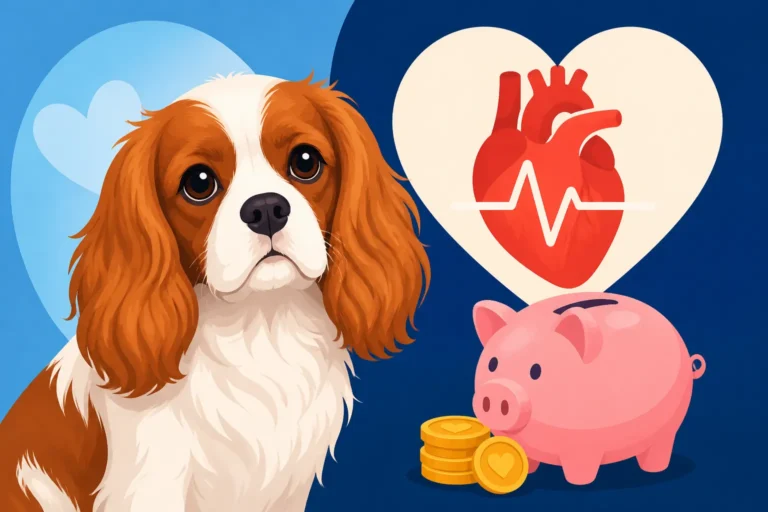
MVD, or Mitral Valve Disease, is a degenerative heart condition that affects nearly all Cavaliers as they age. It's not a question of if it will happen, but when. We often hear about Why Half of Cavaliers Have a Murmur by Five, and by the time they're ten, it's closer to 90% or even higher. It starts with a subtle murmur, often picked up during a routine vet check, and can progress slowly or rapidly to congestive heart failure. The treatments, medications like pimobendan and diuretics, and regular cardiologist visits add up quickly.
Then there's Syringomyelia (SM), a neurological condition often linked to Chiari-like Malformation, where the skull is too small for the brain, leading to fluid-filled cavities (syrinxes) in the spinal cord. This can cause immense pain, phantom scratching, and significant neurological deficits. Diagnosing SM often requires an MRI scan, which alone can run into thousands of dollars, followed by ongoing pain management with medications such as gabapentin. We've talked extensively about Syringomyelia and Chiari Malformation in Cavaliers because it's such a pervasive and heartbreaking issue for the breed.
These aren't rare, obscure diseases; they are hallmarks of the Cavalier King Charles Spaniel. Understanding this from the outset is crucial for anyone considering pet insurance.
The "Pre-Existing Condition" Trap
This is where the timing of pet insurance becomes absolutely critical. The vast majority of pet insurance policies operate under what's called a "pre-existing condition" clause. This means if your Cavalier has any signs or diagnosis of an illness before your policy's waiting period ends, that specific condition (and any related ones) will typically be excluded from coverage for the life of the policy.
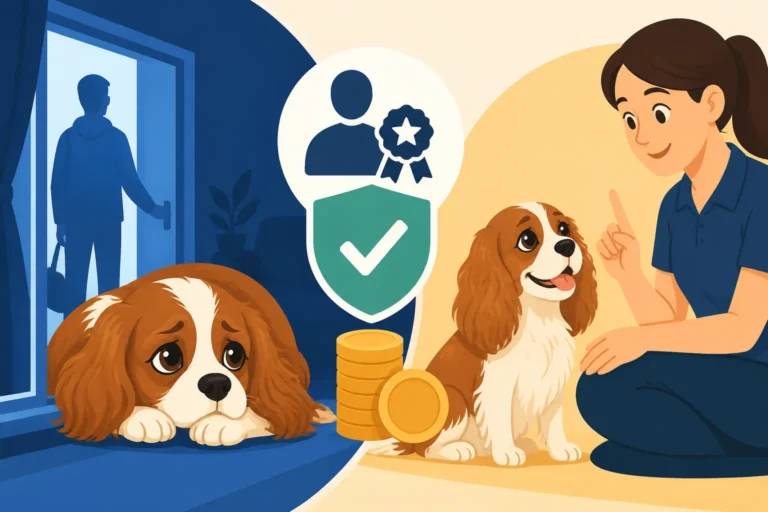
Imagine this all-too-common scenario: You take your adorable Cavalier puppy, Barnaby, for his first annual check-up at one year old. Your vet listens to his heart and, with a sigh, tells you they hear a faint grade 1 murmur. It's not causing him any issues now, but it's there. You then decide to get pet insurance, thinking you're being proactive. However, because that murmur was noted in Barnaby's veterinary record before you applied for and completed the waiting period for the insurance, his Mitral Valve Disease will almost certainly be considered a pre-existing condition. This means all future costs related to his MVD – the cardiologist visits, echocardiograms, and Medication for a Cavalier With Heart Disease – will not be covered. This is the absolute worst-case scenario and leaves many owners feeling hopeless and overwhelmed when the bills start to pile up.
It's a frustrating reality for Cavalier owners especially, given the breed's genetic predispositions. This is why the advice is always, always to insure your Cavalier before any symptoms or diagnoses appear, ideally when they are a young puppy.
Peace of Mind vs. Financial Strain
Let's be honest, veterinary care isn't cheap. The advancements in veterinary medicine mean that our pets can live longer, healthier lives, but those treatments come with a price tag. Emergency visits, specialist consultations, diagnostic imaging, surgeries, and long-term medications can quickly turn into thousands of dollars. The thought of having to choose between your beloved pet's health and your financial stability is a horrifying prospect no pet parent should ever face.
Having pet insurance in place provides an invaluable layer of security. It allows you to make medical decisions based on what's best for your Cavalier, rather than what you can afford out-of-pocket. When a sudden illness or accident strikes, you're not scrambling to find thousands of dollars; you can focus on your pet's recovery, knowing that a significant portion of the costs will be reimbursed. For a breed like the Cavalier, where the likelihood of significant health issues is higher, this peace of mind is truly priceless. It means being able to access advanced care, like specialized diagnostics or even Mitral Valve Repair Surgery for a Cavalier if you're fortunate enough to have it available, without the immediate, crushing financial burden.
Understanding What Pet Insurance Covers (and What It Doesn't)
Pet insurance isn't a one-size-fits-all product, and it's vital to understand the different types of coverage available to ensure you choose a policy that truly protects your Cavalier. It's not just about getting any policy, but getting the right one.
Accident and Illness Coverage Explained
Most comprehensive pet insurance policies combine accident and illness coverage. This is the gold standard for a Cavalier owner.
- Accident Coverage: This kicks in for unexpected injuries like broken bones, lacerations, foreign object ingestion, car accidents, or toxic exposures. If your curious Cavalier, Charlie, decides to chew on a toxic houseplant or takes an unfortunate tumble off the sofa, accident coverage would help with the emergency vet visit, diagnostics (X-rays!), and treatment. These things happen to even the most well-supervised pups, and small dogs can be particularly vulnerable to impact injuries.
- Illness Coverage: This is the big one for Cavaliers. It covers a vast array of conditions, from common ailments like ear infections (which Cavaliers are prone to due to their drop ears) and skin allergies, to chronic diseases like diabetes, cancer, and, crucially, breed-specific conditions like MVD and SM – as long as they are not pre-existing. This coverage will help with diagnostic tests (bloodwork, X-rays, ultrasounds, MRI scans), specialist consultations (What a Cavalier Cardiologist Visit Involves), surgeries, hospitalizations, and prescription medications.
For a breed destined to face conditions like How Cavalier Heart Disease Progresses Stage by Stage, robust illness coverage is non-negotiable. It means you can afford the annual cardiologist exams, the crucial echocardiograms (What a Cavalier Echocardiogram Shows), and the lifelong medication regimen without dipping into your retirement fund. When researching, look for providers like Healthy Paws, known for their comprehensive accident and illness plans, often with unlimited annual benefits, which can be a huge relief given the potential costs.
What About Wellness Plans?
Separate from accident and illness coverage, some pet insurance providers offer "wellness plans" or "routine care add-ons." These are designed to help cover the costs of routine, predictable veterinary care.
Typical services covered by a wellness plan include:
- Annual physical exams
- Vaccinations (Vaccinating a Cavalier Puppy)
- Flea, tick, and heartworm prevention
- Routine blood tests
- Dental cleanings (The Age a Cavalier Needs Its First Dental)
- Spay/neuter surgery
While these plans can be helpful for budgeting, it's important to understand they are generally not insurance. They often work like a discount program or a pre-payment for routine services. They do not cover unexpected illnesses or accidents, and they certainly don't cover the high costs associated with MVD or SM.
For a Cavalier, especially a puppy, a wellness plan can be a nice addition to help spread out the cost of initial puppy shots and regular check-ups. However, never mistake a wellness plan for actual pet insurance. Your priority should always be comprehensive accident and illness coverage first, then consider adding a wellness plan if it aligns with your budget and needs for routine care. Many owners find that while wellness plans can be convenient, they don't always save a significant amount of money compared to paying for routine care out of pocket.
Common Exclusions to Watch For
Even the best pet insurance policies have exclusions. Knowing what won't be covered is just as important as knowing what will be.
Here are some common exclusions:
- Pre-Existing Conditions: As discussed, this is the biggest one for Cavaliers. Any illness or injury that showed symptoms or was diagnosed before your policy started, or during the waiting period, will be excluded. This includes genetic or hereditary conditions if symptoms presented early.
- Cosmetic Procedures: Tail docking, ear cropping (not relevant for Cavaliers, but good to know), or dewclaw removal (unless medically necessary) are not covered.
- Elective Procedures: Non-medically necessary procedures, such as certain behavioral training programs or aesthetic grooming.
- Breeding, Pregnancy, and Whelping: Costs associated with breeding or giving birth are typically excluded.
- Experimental Treatments: Cutting-edge therapies not yet widely accepted in veterinary medicine may not be covered.
- Specific Waiting Periods: Be aware that most policies have an initial waiting period (e.g., 14 days for illnesses, a few days for accidents) before coverage begins. Some may have longer waiting periods for orthopedic conditions like hip dysplasia or patellar luxation, which Cavaliers can also be prone to (Cavalier Knees, Hips and Joint Problems).
- Behavioral Issues: While some plans might cover vet-prescribed medication for behavioral issues, pure training costs are often excluded.
- Exam Fees: Some policies do not cover the veterinary exam fee itself, only the diagnostics and treatments that follow. This is an important detail to check when comparing plans.
- Hydrotherapy/Physiotherapy: Depending on the policy, some alternative or rehabilitative therapies might not be covered, or only partially.
Always read the policy documents carefully. Don't hesitate to call the insurance provider directly to clarify any exclusions, especially concerning hereditary conditions known to affect Cavaliers. A reputable company will be transparent about what is and isn't covered.
When to Get Your Cavalier Insured: The Golden Window
For Cavalier owners, timing is everything when it comes to pet insurance. Missing the optimal window can literally cost you thousands in uncovered vet bills down the line.
Insuring a Cavalier Puppy: The Ideal Scenario
The absolute best time to get pet insurance for your Cavalier is when they are a young puppy, ideally between 8 to 12 weeks old. Why so early? Because at this age, your puppy is least likely to have developed any signs of the breed-specific conditions that plague Cavaliers.
When you bring home a healthy Cavalier puppy from a reputable breeder, they should have a clean bill of health. They might have a puppy check-up from your vet, get their first round of shots, and generally be a bouncing, happy bundle of fluff. At this stage, they are a blank slate in terms of pre-existing conditions. As long as you enroll them and complete the initial waiting periods, any new illness or accident that arises after that point will be covered according to your policy terms.
This means that if your Cavalier develops a heart murmur at age three, or starts showing signs of syringomyelia at age five, those conditions will be fully covered because they weren't present when the policy began. This is the powerful advantage of early enrollment: it locks in coverage for the long haul, protecting against the very issues that are most likely to impact a Cavalier's health and your wallet. We often talk about Reading a Cavalier Puppy's Health Certificates – these are a great baseline to show a clean start for your insurance application.
The Critical Age Cut-Offs for MVD and SM
While insuring a puppy is ideal, life happens, and sometimes you adopt an older Cavalier. However, the older a Cavalier gets, the more likely they are to have something noted in their vet records.
For Mitral Valve Disease, a murmur can appear as early as one or two years old, though it's typically detected more frequently around age three to five. If your Cavalier already has a murmur, even a very faint one (What a Heart Murmur Grade Means in a Cavalier), before you get insurance, it will be considered pre-existing. This is why The Age a Cavalier Murmur Usually Appears is such a critical consideration. If you're adopting an adult Cavalier, it's paramount to get them examined by a vet before applying for insurance and then submitting an application as soon as possible if they're given a clean bill of health.
Syringomyelia can also manifest at varying ages, sometimes as early as six months, but more commonly between two and four years of age. Subtle signs like Phantom Scratching in a Cavalier or reluctance to be handled can be early indicators. If these symptoms are noted in vet records before insurance is in place, then future diagnostics like an MRI (What a Cavalier MRI Scan Costs and Shows) and treatment will likely be excluded.
The critical age cut-off is less about a specific calendar age and more about the onset of symptoms or diagnosis. Every month that passes without insurance increases the risk that a breed-specific condition will emerge and subsequently be excluded. This makes insuring an older Cavalier with existing health concerns very challenging and often futile for those specific conditions.
Waiting Periods and Their Impact
Even once you've applied for and been approved for pet insurance, there's typically a waiting period before your coverage actually kicks in. These periods vary by provider and by type of coverage:
- Accident Waiting Periods: These are usually quite short, often just 1-3 days. This means if your Cavalier has an accident a few days after your policy begins, it will likely be covered.
- Illness Waiting Periods: These are generally longer, typically 14 days. So, if your Cavalier develops a cough, stomach upset, or a new lump on day 10 of your policy, it won't be covered. You need to wait the full 14 days (or whatever period your policy specifies) for illness coverage to activate.
- Orthopedic/Special Condition Waiting Periods: Some providers have extended waiting periods (e.g., 6-12 months) for certain orthopedic conditions like patellar luxation or hip dysplasia. This is important for Cavaliers, as they can be prone to Loose Kneecaps in a Thirteen-Pound Cavalier and Cavalier Hip Dysplasia and Early Arthritis. This longer waiting period aims to prevent owners from purchasing insurance only after their pet shows signs of these often expensive-to-treat conditions.
It's crucial to understand these waiting periods when you purchase a policy. You want to get coverage in place well in advance of any potential issues, allowing these waiting periods to pass while your Cavalier is still healthy. If you apply for insurance today, and your vet diagnoses a murmur next week, it will likely be considered pre-existing if it falls within the waiting period, even if you hadn't seen the vet for that specific issue before. This is another reason to get insurance as early as possible.
Choosing the Right Pet Insurance Policy for Your Cavalier
Navigating the world of pet insurance can feel like trying to solve a puzzle. There are so many providers, so many policy options, and so much fine print. But with a bit of knowledge, you can choose a policy that offers robust protection for your beloved Cavalier.
Key Factors: Deductibles, Reimbursement Rates, and Annual Limits
When comparing pet insurance policies, three core components will significantly impact your out-of-pocket costs and overall coverage:
- Deductible: This is the amount you pay first before your insurance company starts reimbursing you. Most policies offer annual deductibles, meaning you pay this amount once per policy year, regardless of how many different conditions your Cavalier develops. Common deductible amounts range from $100 to $1,000.
- Lower deductible: You pay less out of pocket before coverage kicks in, but your monthly premium will be higher.
- Higher deductible: Your monthly premium will be lower, but you'll pay more out of pocket for veterinary care each year.
- For a Cavalier, with the high likelihood of chronic conditions, an annual deductible can be a good choice, as you only pay it once, and then you're covered for subsequent eligible costs throughout the year.
- Reimbursement Rate: This is the percentage of eligible veterinary expenses that your insurance company will pay back to you after you've met your deductible. Common reimbursement rates are 70%, 80%, or 90%.
- Higher reimbursement rate: You get more money back, but your premium will be higher.
- Lower reimbursement rate: You pay more out of pocket, but your premium will be lower.
- For example, with an 80% reimbursement rate, if you have a $1,000 vet bill and a $250 deductible, you would first pay the $250 deductible. Of the remaining $750, the insurance company would reimburse you 80% ($600), leaving you to pay the remaining $20% ($150). Your total out-of-pocket for that bill would be $250 + $150 = $400.
- Annual Limit: This is the maximum amount your policy will pay out in a single policy year. Limits can range from $2,500 to unlimited.
- Lower limit: Lower premium, but you could hit your limit quickly if your Cavalier faces a serious illness or multiple issues.
- Higher or unlimited limit: Higher premium, but provides crucial protection for catastrophic illnesses or chronic conditions like MVD or SM, which can easily rack up tens of thousands of dollars over a Cavalier's lifetime.
- Given the significant costs associated with managing What Cavalier Heart Disease Costs to Treat and treating conditions like SM, an unlimited annual limit or a very high limit ($10,000+) is highly recommended for a Cavalier.
Here’s a simple table to illustrate how these factors work together:
| Policy Component | Option Example | Impact on Premium | Impact on Out-of-Pocket | Ideal for Cavalier? |
|---|---|---|---|---|
| Deductible | $250 | Higher | Lower per incident | Yes, keeps initial costs down for frequent issues. |
| $1,000 | Lower | Higher per incident | Good if you prefer lower monthly costs and can self-insure small issues. | |
| Reimbursement | 70% | Lower | You pay 30% | Less protection; higher personal cost for major bills. |
| 90% | Higher | You pay 10% | Highly recommended for significant costs of MVD/SM. | |
| Annual Limit | $5,000 | Lower | Risk of exceeding limit | Not ideal; MVD/SM can easily exceed this annually. |
| Unlimited | Higher | No cap on coverage | Strongly recommended for comprehensive Cavalier health. |
Comparing Providers: What to Look For
Beyond the core components, several other factors come into play when choosing a pet insurance provider. It's not just about the numbers; it's about the entire experience.
- Reputation and Reviews: Look for companies with strong customer service and positive reviews from other pet owners. How quickly do they process claims? Are they easy to communicate with? Companies like Healthy Paws and Embrace Pet Insurance often receive high marks for customer satisfaction.
- Customization: Can you customize your policy with different deductibles, reimbursement rates, and annual limits to fit your budget?
- Direct Pay Options: While most policies are reimbursement-based (you pay the vet, then get reimbursed), some providers are starting to offer direct payment to vets, which can be a huge help in an emergency. Check if this is an option or if your chosen vet works with any specific providers for this.
- Mobile Apps and Online Portals: A user-friendly app or online portal can make submitting claims and managing your policy much easier.
- Vet Choice: Most policies allow you to use any licensed veterinarian, specialist, or emergency clinic. Confirm this is the case so you're not restricted in an emergency or when seeing a cardiologist for your Cavalier.
- Multi-Pet Discounts: If you have more than one Cavalier, or other pets, inquire about discounts for insuring multiple animals.
- Age Limits for Enrollment: Some policies have age restrictions for enrolling older pets. Again, this reinforces the "insure early" message for Cavaliers.
- Exclusions for Specific Conditions: Always double-check if any hereditary or congenital conditions common in Cavaliers (like MVD, SM, patellar luxation, or eye conditions) are specifically treated differently or excluded. Most reputable insurers will cover these if not pre-existing.
Don't just jump at the cheapest option. A slightly higher premium for a policy with better terms and a strong reputation can save you immense stress and money in the long run, especially with a Cavalier.
The Fine Print: Understanding Cavalier-Specific Concerns
When you're reading through policy documents, keep your Cavalier's unique health profile front and center.
- Hereditary and Congenital Conditions: Confirm that the policy covers hereditary and congenital conditions if they are not pre-existing. This is paramount for Cavaliers. MVD and SM are hereditary, and without coverage, their treatment would fall entirely on you.
- Orthopedic Conditions: Look for clear terms regarding conditions like hip and elbow dysplasia, and patellar luxation. Are there extended waiting periods for these?
- Specialist Care: Ensure that visits to specialists like veterinary cardiologists and neurologists are covered. Your Cavalier will very likely need a cardiologist at some point, and Annual Cardiologist Exams for a Cavalier are not inexpensive.
- Diagnostic Imaging: MRI scans, echocardiograms, and X-rays are crucial for diagnosing Cavalier-specific conditions. Confirm these expensive diagnostics are covered.
- Prescription Medications: Cavaliers with MVD will be on lifelong heart medications. Ensure these daily prescription costs are included.
- Physical Therapy/Rehabilitation: If your Cavalier needs surgery for a joint issue or SM, post-operative physical therapy can be vital for recovery. Check if this is covered.
Take your time. Read reviews. Get quotes from several providers. Don't be afraid to ask direct questions about how they handle MVD and SM specifically, assuming your pet is healthy at enrollment. The peace of mind that comes from knowing you've thoroughly vetted your options is invaluable.
The Cost of Waiting: When a Murmur Becomes a Pre-Existing Condition
The temptation to put off pet insurance is understandable. Your puppy is young, healthy, and full of life! But as we've explored, for a Cavalier, waiting is a gamble with potentially devastating financial consequences.
What Happens When MVD Is Already Diagnosed
Let's revisit our friend Barnaby, who now has a diagnosed heart murmur. If you try to get pet insurance for him now, after the murmur has been detected by a veterinarian and recorded in his medical chart, his Mitral Valve Disease will be explicitly excluded from coverage. This isn't just about the murmur itself; it extends to all related conditions.
This means:
- Cardiologist Consultations: Every visit to a specialist like a veterinary cardiologist to monitor his heart will be out of pocket.
- Echocardiograms: The vital yearly (or more frequent) ultrasounds of his heart to assess the progression of the disease and decide on medication changes? Uncovered.
- Medications: As his MVD progresses, Barnaby will likely need medications such as Pimobendan, diuretics (like furosemide), and ACE inhibitors. These are often lifelong drugs. The cost of Pimobendan for a Cavalier With an Enlarged Heart alone can be substantial over years. All these expenses will come directly from your wallet.
- Emergency Care: If Barnaby goes into congestive heart failure and needs emergency hospitalization, oxygen therapy, or intensive care, these costs related to his heart will also be excluded.
It’s a truly heartbreaking situation, not just emotionally, but financially. Many owners find themselves in this predicament, having to make difficult choices about their beloved pet's care because they can't afford the thousands of dollars required for ongoing treatment. This is why the common advice from veterinarians and experienced Cavalier owners alike is to secure coverage for your Cavalier when they are very young, healthy, and without any documented health issues.
The Financial Burden of Uninsured Care
To put it plainly, the costs of managing a Cavalier with MVD or SM without insurance can be astronomical. Let's look at some typical figures:
- Initial MVD Workup (post-murmur): A full cardiac workup by a specialist, including a consultation, echocardiogram, and possibly chest X-rays, can easily range from $500 to $1,500, depending on your location (e.g., a major city like New York or a smaller town in the Midwest).
- Annual Monitoring: Expect annual echocardiograms and cardiologist visits to be in the $400-$800 range each year, more if medications need adjusting frequently.
- Medications: Monthly costs for heart medications can range from $50 to $200+, depending on the dog's size and the number of drugs prescribed. Over several years, this is thousands of dollars.
- SM Diagnosis: An MRI to diagnose Syringomyelia can cost anywhere from $2,500 to $4,000 or more, often requiring a neurologist consultation as well.
- SM Medications: Pain relief for a Cavalier with SM, such as gabapentin and other nerve pain medications, can cost $30-$100+ per month, again for years.
- Emergency Care: A single emergency visit for a Cavalier in heart failure, including hospitalization and oxygen, can quickly hit $2,000 to $5,000 or more.
When you add these up, the total lifetime cost of caring for a Cavalier with MVD or SM can easily exceed $10,000 to $20,000, or even more for complex cases. These are the kinds of numbers that highlight why insuring a Cavalier early is less about "if" you'll use it and more about "when" and "how much" it will save you. Companies like Healthy Paws, with their unlimited annual benefits, become lifesavers in these scenarios. For broader budgeting, understanding Budgeting a Cavalier From Puppy to Senior will put these costs into perspective.
Exploring Alternatives if You Missed the Window
If you find yourself in the tough spot of having a Cavalier with pre-existing conditions and no insurance, don't despair entirely, but be realistic about the financial road ahead.
- Emergency Fund: The most straightforward alternative is to build a substantial emergency fund. This requires discipline and consistent saving, putting away hundreds of dollars a month if possible. However, it takes time to build, and an emergency can strike at any moment.
- Credit Cards/CareCredit: Veterinary clinics often offer payment plans through third-party services like CareCredit. These are essentially credit cards with deferred interest options, but if not paid off within the promotional period, interest rates can be very high. This is a temporary solution, not a long-term strategy.
- Financial Aid Programs: A handful of non-profit organizations offer financial assistance for specific veterinary treatments, particularly for owners with limited incomes. However, these are often need-based, have strict criteria, and funds can be limited.
- Negotiate with Your Vet: In some non-emergency situations, your vet might be willing to work with you on a payment plan for routine care or less urgent treatments. It never hurts to ask, but don't expect it for major surgeries or emergency care.
- Prescription Savings: For ongoing medications, ask your vet about generic options, or check online pharmacies like Chewy or local human pharmacies (many common pet medications are human drugs) for competitive pricing. You might also consider specific diets like those offered by Ollie, which can be prescribed to manage some conditions, though these dietary costs are typically not covered by insurance.
- Continue Seeking Insurance (for other conditions): Even with a pre-existing condition, you can still get pet insurance for new conditions that arise. For example, if your Cavalier has MVD, but then breaks a leg, the broken leg would still be covered (assuming it's not pre-existing and waiting periods are met). It won't cover their heart, but it can still help with other unforeseen issues. This is often the best compromise if you missed the initial window.
The reality is stark: while alternatives exist, none offer the comprehensive financial protection and peace of mind that early pet insurance does for a breed like the Cavalier.
Making the Most of Your Cavalier's Pet Insurance
Once you've made the smart decision to get pet insurance for your Cavalier, it's essential to understand how to use it effectively and what you can do to maximize its benefits throughout your dog's life.
Navigating Claims and Reimbursements
The process of filing a claim and getting reimbursed is typically straightforward, but knowing the steps can save you headaches.
- Pay Your Vet Bill: In most cases, you will pay your veterinarian directly for services rendered. Keep copies of all invoices and receipts.
- Submit Your Claim: Most insurance providers offer multiple ways to submit a claim:
- Online Portal/App: This is usually the easiest and fastest method. You'll log into your account, fill out a claim form, and upload photos of your invoices.
- Email or Fax: Some companies still allow submission via email or fax.
- Mail: Slower, but always an option.
You'll usually need to provide your Cavalier's medical records for the initial claim or if a new condition arises, so the insurer can verify it's not pre-existing.
- Veterinary Examination: Your vet may need to complete a portion of the claim form or provide additional medical notes. Many clinics are familiar with this process and can send documentation directly to the insurance company on your behalf.
- Waiting for Reimbursement: After submission, the insurance company will review your claim. This usually takes a few days to a couple of weeks, depending on the provider and the complexity of the claim. Once approved, your reimbursement (minus your deductible and according to your reimbursement rate) will be sent to you via direct deposit or check.
Tips for smooth claims:
- Keep Excellent Records: Save all vet bills, diagnostic reports, and medication receipts.
- Understand Your Policy: Know your deductible, reimbursement rate, and annual limit so you can anticipate your out-of-pocket costs.
- Ask Your Vet: Your veterinary team can often help you with the claims process, as they deal with pet insurance companies regularly.
- Don't Delay: Submit claims promptly to avoid missing any deadlines or forgetting details.
Regular Vet Visits and Early Detection
Pet insurance isn't a substitute for proactive veterinary care; it's a partner in it. Regular check-ups are still crucial for your Cavalier's long-term health, and they play a direct role in how well your insurance works for you.
- Annual Wellness Exams: Continue to take your Cavalier for their yearly physical examinations. These visits are vital for early detection of potential issues. Your vet will listen to their heart, check their joints, assess their weight, and generally ensure they are thriving. Catching a faint murmur early, for example, is critical for understanding What a Heart Murmur Grade Means in a Cavalier and potentially initiating early treatment if the policy is already in place.
- Staying Up-to-Date on Vaccinations: While wellness plans might cover these, staying current on vaccines and parasite prevention keeps your Cavalier healthy and helps prevent other illnesses that could lead to claims.
- Monitoring Behavioral Changes: Cavaliers are masters of hiding pain. If you notice any subtle changes in behavior, such as reluctance to jump, decreased activity, or A Cavalier That Yelps When Picked Up, don't wait. These could be early signs of conditions like SM or joint pain. An early vet visit means faster diagnosis and treatment, which your insurance will cover if the condition is new.
- Maintaining a Healthy Weight: Weight gain can exacerbate existing conditions like MVD. Keeping your Cavalier at a healthy weight is vital. We know Why an Overweight Cavalier Fails Faster and how much it stresses their heart and joints. Diet changes, potentially using specialized foods from Chewy or Ollie, can be part of this management.
Early detection of any new health issue means you can leverage your insurance sooner, potentially leading to less severe progression and better outcomes for your Cavalier. It prevents a small problem from becoming a massive, expensive crisis.
Considering Policy Renewals and Changes
Pet insurance policies typically renew annually. Each renewal is an opportunity to review your coverage and ensure it still meets your Cavalier's needs.
- Premium Increases: It's common for premiums to increase slightly each year as your pet ages or if they've had significant claims. This is normal, but always review the new premium carefully.
- New Exclusions? While existing conditions should remain covered (as long as they weren't pre-existing when you first enrolled), always check for any new exclusions or changes in policy terms.
- Changing Needs: As your Cavalier gets older, their needs might change. If they're Caring for a Cavalier Past Nine, you might find yourself needing more regular vet visits or specialized care. Ensure your annual limit is still adequate.
- Switching Providers: If you're unhappy with your current provider's service or if another company offers a significantly better deal, you might consider switching. However, this comes with a huge caveat: any condition your Cavalier has already developed, even if covered by your old policy, will be considered pre-existing by a new insurer. This means switching can be very risky for a Cavalier with MVD or SM. Generally, if your Cavalier has existing conditions, it's best to stick with your current insurer. If you switch, only new conditions will be covered, and you'll have to go through new waiting periods.
Reviewing your policy annually helps ensure you remain adequately covered and informed about your financial responsibilities. It’s a small amount of effort that can save you significant future stress and cost.
Real-World Scenarios: Cavalier Health and Insurance
Let's look at a few common scenarios Cavalier owners face and how pet insurance can make a tangible difference. These examples really highlight the value of having coverage in place.
A Sudden Emergency: What Insurance Means
Imagine your sweet Cavalier, Daisy, known for her boundless energy, is playing in the backyard. Suddenly, she yelps and starts limping badly, refusing to put weight on her back leg. You rush her to the nearest emergency veterinary clinic, heart pounding.
At the clinic, the vet quickly determines she needs X-rays and possibly surgery for a potential ligament tear or even a fracture. The initial bill for the emergency visit, diagnostics, and pain medication is already $800. If surgery is needed, you're looking at another $3,000 to $6,000.
Without insurance: You're immediately faced with a decision: can you afford these costs out of pocket? Do you have an emergency fund big enough? Many people would be forced to put it on a credit card, or even worse, consider options they don't want to. The stress is immense, on top of worrying about Daisy.
With insurance: You focus entirely on Daisy. You authorize the X-rays, discuss the surgical options, and proceed with the best course of action. You pay the vet clinic the full amount, knowing that once the claim is processed, your insurance will reimburse you a significant portion, typically 80-90%, after your deductible. If your deductible is $250 and your reimbursement rate is 90%, you'd pay the initial $800, then receive $495 back (90% of $550 remaining after deductible), and then for a $4,000 surgery, you'd pay the remaining $150 of your deductible (if not already met) and get $3,465 back. The financial sting is significantly lessened, allowing you to breathe easier and concentrate on Daisy's recovery. This is the difference between panic and preparedness.
Managing Chronic Conditions with Coverage
Let's consider an older Cavalier, Arthur, whom you insured as a puppy. At age five, during a routine annual exam, your vet detects a grade 2 heart murmur. Because you had insurance in place since he was a puppy, this is a covered condition.
The vet recommends an immediate referral to a veterinary cardiologist. This specialist confirms Mitral Valve Disease in the Cavalier King Charles Spaniel and recommends regular echocardiograms to monitor its progression. Over the next few years, Arthur's murmur progresses, and he eventually starts on medications like pimobendan and a diuretic.
Without insurance: Each cardiologist visit, each echo scan, and every monthly prescription for life is an out-of-pocket expense. What Cavalier Heart Disease Costs to Treat becomes a constant financial drain, potentially totaling thousands of dollars annually. The sheer volume of prescriptions, easily accessible from Chewy, would still have to be paid for in full.
With insurance: Your policy covers the ongoing costs. Each cardiologist visit, each echocardiogram (What a Cavalier Echocardiogram Shows), and his monthly heart medications are reimbursed according to your policy's terms. You still pay your deductible once a year and your reimbursement percentage, but the bulk of these lifelong costs are covered. This allows Arthur to receive the best possible care, managing his condition comfortably, without you constantly worrying about whether you can afford his next refill or specialist appointment. This peace of mind is why pet insurance is often considered a non-negotiable for Cavalier owners.
The Lifespan and Long-Term Costs
Cavaliers can live to be 9-14 years old, with some even reaching Whether a Cavalier Can Reach Fifteen. However, the later years are often when medical costs truly escalate. Many owners find themselves facing increased vet bills as their Cavalier ages, regardless of whether they have MVD or SM. These can include:
- Arthritis management (Early Arthritis in a Cavalier's Elbows)
- Dental care, often requiring extractions in an older Cavalier (Extractions in an Older Cavalier)
- New lumps or bumps needing investigation (biopsies, removals)
- Kidney or liver disease, common in senior dogs
- Routine bloodwork to monitor organ function
With comprehensive pet insurance: These age-related illnesses and conditions, provided they aren't pre-existing, would be covered. This means that as your beloved Cavalier transitions into their senior years, you can still provide them with the best possible quality of life and necessary medical interventions without facing crippling bills. It allows you to embrace Caring for a Cavalier Past Nine with confidence, knowing you have financial backing for their health needs.
Disclaimer
This article is intended for informational purposes only and does not constitute professional veterinary advice. Always consult with a qualified veterinarian for any health concerns or before making any decisions about your pet's medical care or insurance. Pet insurance policies vary, and it is crucial to read and understand your specific policy documents.